
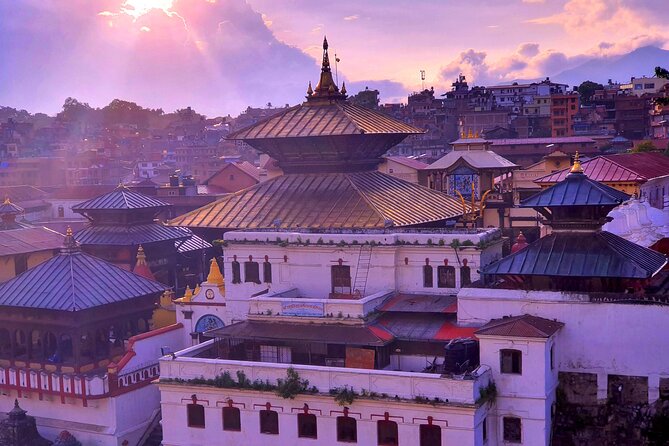
Reviewed · PASHUPATINATH TEMPLE TOURS
Pashupatinath Temple, Hindu Crematorium and Aarati in-depth Tour
Pashupatinath is not a quiet museum piece. It is a working holy site where worship, music, incense, holy men, monkeys, temple rituals, and Hindu cremations all share the banks of the Bagmati River. This tour gives you a guide who can explain what you are seeing, rather than leaving you to guess at the meaning behind it.
I like the small private format, which lets you ask direct questions and adjust the pace. I also like the focus on both belief and daily practice, from temple traditions to cremation customs and the evening aarati. The main consideration is the length: four to five hours is a lot of time in one temple complex, and the cremation area may feel emotionally difficult for some people.
In This Review
- Key points to know before booking
- Why Pashupatinath needs a guide
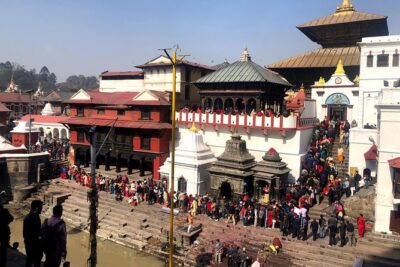
- The first two hours around Pashupatinath Temple
- Understanding Hindu cremation at the Bagmati River
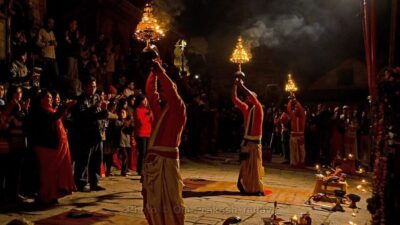
- Sandhya Aarati beside the Bagmati
- What the $90 price includes
- Timing, transport, and physical demands
- Who will get the most from this experience
- Booking and cancellation details
- Should you book the Pashupatinath in-depth tour?
- FAQ
- How long does the Pashupatinath tour last?
- What time does the tour begin?
- Is this a private tour?
- Is pickup available?
- What does the tour visit?
- How much time is planned for the temple area?
- How long is the crematorium visit?
- What is the Sandhya Aarati?
- Are entrance fees included?
- Are tips and temple donations included?
- What is the cancellation policy?
Key points to know before booking
- A working sacred site: Pashupatinath is an active place of worship, not simply an archaeological attraction.
- Specialist guidance: Guides include Nabin and Nirajan, with the tour led by experts connected to research on the tangible and intangible heritage of Pashupatinath.
- Three-part visit: Allow about two hours for the temple area, one hour near the crematoria, and two hours for the evening Sandhya Aarati.
- Private transportation: Pickup and private transport are included, along with bottled water, entrance fees, and taxes.
- A serious cultural subject: The cremation section is handled as a cultural and religious explanation, but you should approach it quietly and respectfully.
- Late afternoon timing: The 2:00 pm start is designed to carry you from daylight exploration into the evening aarati.
Why Pashupatinath needs a guide
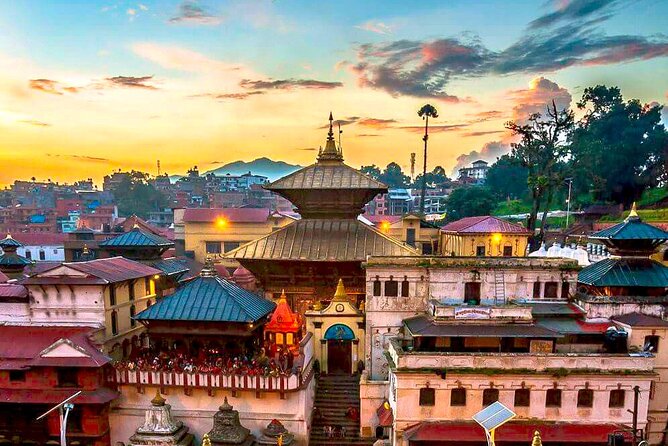
The Pashupatinath complex can be confusing even before you consider its religious meaning. It contains temples, shrines, river ghats, pathways, ritual spaces, holy men, and areas with different rules for different visitors. A casual walk may show you plenty, but it will not necessarily explain why each place matters.
The guide-led approach is the main reason to consider this experience instead of simply arriving alone. Nabin, Nirajan, and the other guides working under the lead heritage specialist are expected to explain both the mythology attached to Pashupatinath and the way Hindu practices function today.
That balance matters. You are not given only a list of old stories, and you are not shown only the visual spectacle of the site. The explanations aim to connect religious ideas with living customs, local behavior, and the role the temple still plays in Kathmandu.
The tour is also designed for questions. Several guide names appear in the experience details, especially Nabin and Nirajan. Past guests specifically praised their patience, clear explanations, and ability to adjust the walk to individual interests. That is useful here, since one person may want more on Hindu philosophy while another may be curious about architecture, cremation customs, or daily life around the temple.
More visits to Pashupatinath:
- Kathmandu Spiritual Sites: Bodhnath & Pashupatinath Tour
★ 5.0 · 185 reviews - Kathmandu: Pashupatinath Temple Evening Aarati Tour
★ 5.0 · 36 reviews - Kathmandu: Pashupatinath Temple Aarti Night Tour
★ 4.8 · 29 reviews
The first two hours around Pashupatinath Temple
The tour begins at 2:00 pm and spends about two hours exploring the Pashupatinath area. This is the best part of the afternoon for getting oriented. You have time to look carefully at the grounds before the evening ceremony draws larger local crowds.
Your guide takes you through the main attractions and lesser-known paths in the complex. One useful feature is the chance to reach places that can be easy to miss when walking alone. A past participant described being shown sections of Pashupatinath that were unfamiliar even after two earlier visits.
Expect the walk to mix formal temple spaces with ordinary activity. You may encounter bells, incense, shrines, sadhus, monkeys, bulls, worshippers, and people moving through the complex for personal reasons. The setting can change quickly from quiet and contemplative to crowded and noisy.
The guide’s job is not just to identify objects. It is to explain how the site works. You can ask about offerings, religious images, the place of holy men, and the difference between what is meant for worship and what is meant for public viewing.
The name Pashupatinath refers to Shiva in his form as Lord of Animals. That religious connection helps explain why the site carries such importance for Hindu worshippers. Your guide is expected to place those beliefs in their wider cultural setting, while also explaining how the area functions in modern Kathmandu.
Visitors should note an important access issue. The supplied information does not state that every interior section is open to non-Hindu visitors. Your guide can take you around the permitted attractions, but you should not assume that you can enter every shrine or temple building.
Comfortable footwear is sensible. The visit involves walking through a large religious complex and along the river area, and the full experience lasts well beyond a quick photo stop. Bottled water is included, which is a small but welcome detail during a long afternoon on foot.
Understanding Hindu cremation at the Bagmati River
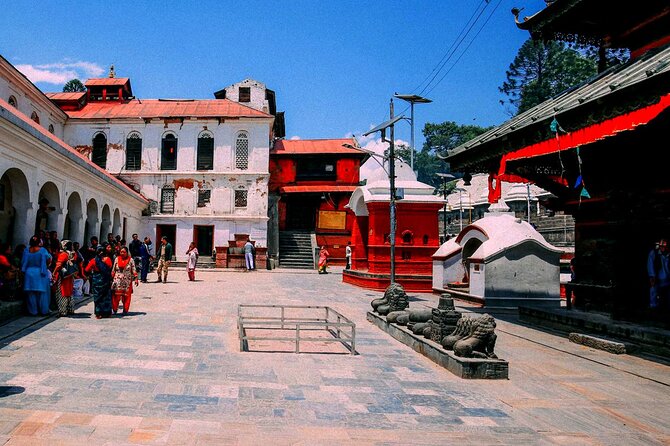
The crematorium section lasts about one hour and takes you to the Bagmati River bank. This is the most serious part of the tour, and it deserves a different attitude from the temple sightseeing that comes before it.
Hindu cremation is not presented as a detached display. It is a religious process connected to death, family, ritual, and the passage from one stage of existence to another. The guide explains the cultural procedure and its religious meaning while cremations may be taking place nearby.
That live setting is what makes the visit powerful, but it is also what requires care. You are entering a place where families may be grieving. Keep your voice low, follow your guide’s instructions, and treat photography with extreme caution. The supplied tour details do not promise that photography is allowed, so ask before taking any pictures and be ready to put your camera away.
The guides connected with the Pashupati Area Development Trust are described as explaining the process in detail. Their role is especially valuable here because customs surrounding death can be misunderstood when viewed without context. A good explanation helps you see the cremation area as a sacred place of practice, not simply an unusual sight for outsiders.
I like that this part is included in the tour, because it presents an essential side of Pashupatinath that a standard temple visit may avoid. At the same time, you should think honestly about your comfort level before booking. If you know that witnessing an active cremation would upset you, ask the operator in advance about spending less time at the crematoria.
The river bank also provides a physical link between the different parts of the experience. You move from temple worship to death rituals, then remain in the same sacred setting for the evening offering. That sequence gives the afternoon a clear shape and helps explain why Pashupatinath is so important to Hindu life.
Sandhya Aarati beside the Bagmati
The tour ends with the Sandhya Aarati, an evening ceremony of offering lamps and incense. It lasts about two hours according to the schedule, although the actual ceremony itself may not occupy that entire period. The extra time allows you to settle near the river bank and observe the setting as local worshippers gather.
The aarati is dedicated to Shree Pashupatinath. Priests perform the offering according to precise ritual steps, using lamps and incense in a coordinated ceremony. Bells, chanting, movement, and fire create a strong sensory finish to a day that has already included several different forms of worship.
This is where the tour’s late start pays off. You begin with daylight exploration, move through the cremation ghats, and finish as the temple area changes into an evening gathering place. The ceremony is attended by hundreds of local people, so do not expect a private or silent performance arranged only for your group.
I would treat the aarati as a religious observance first and a cultural event second. You are welcome to watch closely, but your guide can help you understand when to stand back, how to behave near worshippers, and what the offerings represent.
Several past participants singled out the ceremony as unforgettable. That response makes sense: it gives the tour a strong emotional close and shows Pashupatinath as a living center of faith rather than a collection of monuments.
A completely different sort of day in Kathmandu:
- Everest Base Camp Trek – 14 Days
★ 5.0 · 1,499 reviews - Private Kathmandu Sightseeing Tour | UNESCO World Heritage sites
★ 5.0 · 756 reviews - Everest Base Camp Helicopter Tour landing at Everest View Hotel
★ 5.0 · 668 reviews - Half day cooking class in Thamel kathmandu
★ 5.0 · 607 reviews
What the $90 price includes
The tour costs $90 per person. That is not the cheapest way to see Pashupatinath, especially since the temple complex is accessible by public transportation and some visitors may prefer to explore without a guide.
The value comes from what is bundled into the afternoon. You receive private transportation, bottled water, entrance fees, taxes, and an expert guide. The private format is also important. Only your group participates, so you can ask questions without competing with a large tour party or worrying about whether the guide can hear you.
For a short orientation walk, $90 would feel high. For four to five hours covering the temple area, cremation customs, and the aarati, the price is easier to justify, particularly if you care about cultural interpretation. Group discounts may improve the per-person value for families or friends booking together.
The price also saves you from arranging separate transport between parts of the visit. That convenience matters in Kathmandu, where traffic and unfamiliar streets can make a simple afternoon less simple than it looks.
Tips for the guide and driver are not included. Donations and offerings to sadhus or temples are also your responsibility. You should never feel pressured to donate, and your guide can help explain when an offering is appropriate.
The experience carries a 5 out of 5 rating from 25 reviews, with 100 percent recommending it. That is a small sample, but the pattern is clear: the strongest praise goes to the guides’ patience, cultural explanations, and ability to reveal parts of the complex that are easy to miss.
Timing, transport, and physical demands
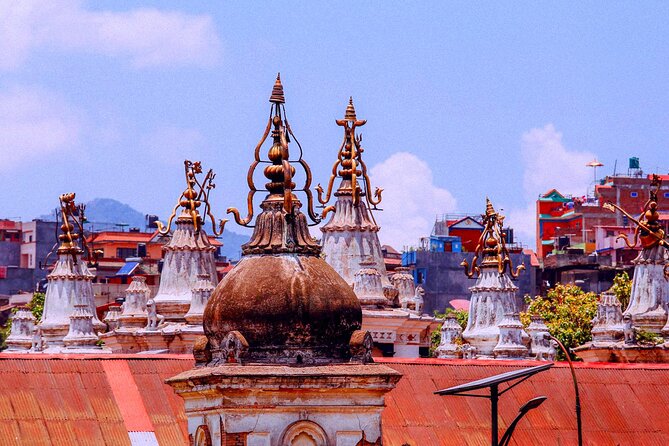
Pickup is offered, and private transportation is included. The scheduled start is 2:00 pm, so confirm the pickup details when booking. The tour lasts approximately four to five hours, making it a substantial afternoon and evening activity.
Most people can participate, and a public toilet is available. Service animals are allowed, and the meeting area is near public transportation. The information does not provide a detailed accessibility assessment, so anyone needing step-free routes or special assistance should ask before reserving.
You should plan for a walking-based visit rather than a vehicle sightseeing tour. The exact amount of walking is not stated, but the itinerary moves through temple grounds, paths, river areas, and ceremony spaces over several hours. Wear practical shoes and avoid bringing anything you would not want to manage in a crowded religious setting.
The 2:00 pm start can work well with a Kathmandu sightseeing schedule. It leaves the morning open and takes you into the evening without requiring a very early departure. On the other hand, you should not book another fixed evening activity immediately afterward. The tour can run close to five hours, and the aarati is the final scheduled stop.
Who will get the most from this experience
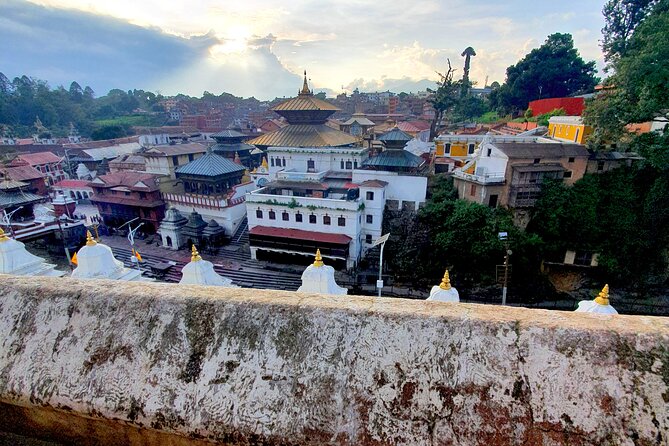
I would recommend this tour most strongly to you if you want context, not just photographs. It suits visitors curious about Hinduism, religious customs, local life, and the ways a major temple remains part of a living city.
It is also a good fit if you have already visited Pashupatinath but felt you saw only the surface. One participant who had visited twice before still found unfamiliar areas and new explanations with a specialist guide.
You may also appreciate it if you prefer private tours. The format gives you room to ask personal questions and lets the guide respond to your interests. Families and small groups can benefit from the included transport and possible group discount.
I would think twice if you want a quick, quiet temple stop. The tour is long, the cremation section is serious, and the aarati draws a substantial local crowd. It is not a polished show created for visitors. That is precisely its value, but it also means you need to bring patience and respect.
Booking and cancellation details
Confirmation is provided at the time of booking. You can cancel for a full refund if you do so at least 24 hours before the local start time. Cancellations made within 24 hours are not refunded, and changes within that period are not accepted.
The experience is offered by Himalayan Adventure Therapy. Since the tour is booked about 53 days ahead on average, reserving early may be sensible if your Kathmandu dates are fixed, especially if you want a private afternoon with a particular guide.
Should you book the Pashupatinath in-depth tour?
Book it if you want Pashupatinath explained with care and you are comfortable spending time near an active cremation ground. The combination of temple interpretation, Hindu funeral customs, and the Bagmati River aarati gives you a fuller picture than a brief stop at the main shrine.
The strongest reason to choose it is the guide service. Nabin and Nirajan are repeatedly identified as patient, clear, and attentive, and the tour’s specialist heritage focus promises more than basic sightseeing facts.
Skip it if you want only an exterior temple visit, if four to five hours is too long for your schedule, or if the cremation section would be distressing. For the right visitor, though, this is one of Kathmandu’s most serious and memorable cultural experiences, with a price that makes sense when you use the private transport, long guide time, and included fees.
FAQ
How long does the Pashupatinath tour last?
The tour lasts approximately four to five hours.
What time does the tour begin?
The scheduled start time is 2:00 pm.
Is this a private tour?
Yes. Only your group participates in the activity.
Is pickup available?
Yes. Pickup is offered, and private transportation is included.
What does the tour visit?
The tour visits the Pashupatinath Temple area, the Hindu crematoria, the Bagmati River bank, and the Sandhya Aarati ceremony.
How much time is planned for the temple area?
About two hours are planned for the first visit to the Pashupatinath Temple area.
How long is the crematorium visit?
The crematorium section is scheduled for about one hour.
What is the Sandhya Aarati?
It is an evening ceremony in which priests offer lamps and incense to Shree Pashupatinath. The ceremony is observed by hundreds of local people.
Are entrance fees included?
Yes. All fees and taxes are included in the tour price.
Are tips and temple donations included?
No. Tips for the guide and driver, along with donations or offerings to sadhus or temples, are not included.
What is the cancellation policy?
You can receive a full refund if you cancel at least 24 hours before the local start time. Cancellations within 24 hours are not refunded, and changes within 24 hours are not accepted.
Recently added around Kathmandu
- Kathmandu : Swambhunath & Durbar Square Guided Half Day Tour★ 3.3 · 3 reviews
- Private Day Tour in Kathmandu Valley Rim with Bhaktapur Sightseeing★ 5.0 · 3 reviews
- Private 3-Hour Nagarkot Sunset Tour from Kathmandu★ 3.5 · 3 reviews
- From Kathmandu / Pokhara / Chitwan: River Rafting – 1 Day★ 4.6 · 3 reviews
- Nepali Cooking training & Cultural Homestay Experience★ 5.0 · 3 reviews
- From Kathmandu: Everest Base Camp Landing Helicopter Tour★ 5.0 · 3 reviews
- 4 UNESSCO World heritage sites of Kathmandu-private tour★ 5.0 · 3 reviews
- From Kathmandu Budget: 15 Day Everest Base Camp Trek★ 5.0 · 3 reviews
Pashupatinath Temple Tours, compared.
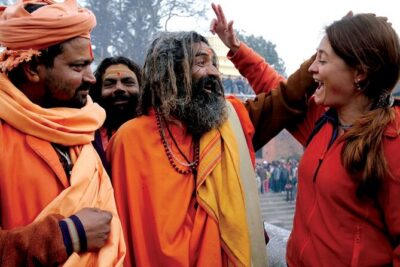
Kathmandu Spiritual Sites: Bodhnath & Pashupatinath Tour
Read our review →
Pashupatinath Evening Aarati: Few Divinely Hours in Kathmandu
Read our review →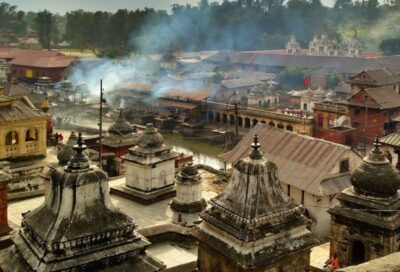
Sacred Pashupatinath: Aarati,Cremation Rites & Boudha Stupa
Read our review →
PashupatiNath and BoudhaNath – Private/Small Group
Read our review →
Private Half-Day Tour of Boudhanath and Pashupatinath Temples in Kathmandu
Read our review →Browse the lists this tour appears in