
Reviewed · EVEREST BASE CAMP TREKS
Short Everest Base Camp Trek 10 Days
Flying into Lukla is the first thrill, but the real prize comes on foot: Everest Base Camp, Khumbu Glacier, and the Sherpa villages that lead you there. This 10-day trip packs Nepal’s best-known trek into a short schedule, with flights, meals, tea-house lodging, and basic gear included.
I like the practical package: round-trip Kathmandu to Lukla flights and sleeping bag, down jacket, and duffel bag hire are covered. I also like the strong guide support, with Pradeep, BK, Dhruba Dharel, and Susil named by past participants as helpful, careful leaders. The catch is simple: ten days is a tight timetable, so you need moderate fitness and a real tolerance for long, high-altitude walking.
In This Review
- Key points to know before booking
- Why ten days to Everest Base Camp is a serious plan
- Kathmandu to Lukla: the trip starts before the trail
- Following the Dudh Kosi valley on foot
- Namche Bazaar, the Sherpa capital
- Tengboche Monastery and the cultural heart of the walk
- Everest Base Camp and the Khumbu Glacier
- Tea houses, meals, and the included equipment
- What the $1,690 price really covers
- Guide support can shape the whole experience
- Who should book this short Everest trek?
- Practical details to settle before departure
- Should you book the 10-day Everest Base Camp trek?
- FAQ
- Where does the trek begin?
- How long does the trek last?
- Are flights to Lukla included?
- Is accommodation included?
- Are meals included?
- Is a porter included?
- What equipment is provided?
- What fitness level is required?
- What happens if poor weather cancels the experience?
Key points to know before booking
- Lukla flights make the route possible in ten days: You avoid a long road journey and start close to the trail.
- Namche Bazaar gives you a Sherpa cultural stop: This is more than a place to sleep, with local life, shops, and mountain views.
- Tengboche Monastery adds depth to the trek: The old monastery brings Buddhist culture into an otherwise very physical journey.
- The package covers several costly basics: Flights, meals, tea-house accommodation, taxes, and selected equipment are included.
- The pace demands preparation: The operator requires moderate physical fitness, and the high-altitude route should not be treated as a casual walk.
- Weather can change the plan: Lukla flights depend on conditions, and a cancellation caused by poor weather brings a new date or full refund.
Why ten days to Everest Base Camp is a serious plan
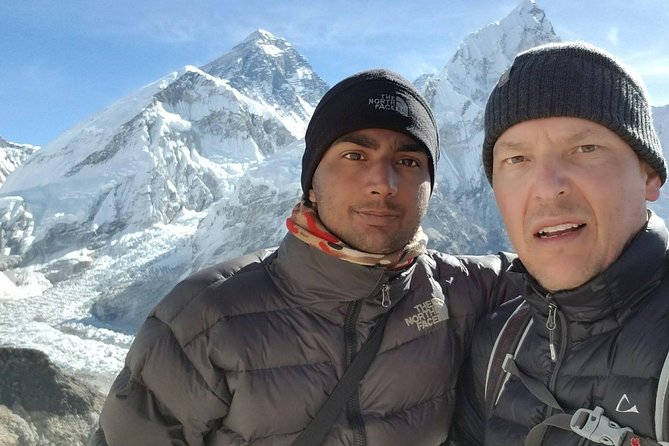
This is the short version of one of Nepal’s most famous treks. You begin in Kathmandu, fly to Lukla, follow the Dudh Kosi river valley, pass through Sherpa settlements, reach Namche Bazaar and Tengboche, then continue toward Everest Base Camp before returning to Kathmandu by air.
The ten-day format is useful if you have limited holiday time. It removes the need for a lengthy approach from lower Nepal and keeps the trip focused on the Khumbu region. You get the major sights without adding extra trekking days.
That efficiency comes with a price. A short itinerary leaves less room for delays, rest, or changes caused by weather. You should arrive ready to walk, not hoping the trek will build your fitness for you. The experience is best for someone who already feels comfortable with sustained uphill and downhill walking.
More ways to trek to Everest Base Camp:
- Everest Base Camp Trek – 14 Days
★ 5.0 · 1,499 reviews - Everest Base Camp Helicopter Tour landing at Everest View Hotel
★ 5.0 · 668 reviews - Everest Base Camp Trekking
★ 5.0 · 485 reviews
Kathmandu to Lukla: the trip starts before the trail
The meeting point is Tribhuvan Airport in Kathmandu. Pickup is offered, and the package includes both flights between Kathmandu and Lukla. That is a major convenience because the flight removes the long overland approach and places you near the start of the mountain route.
The Lukla flight is part of the adventure, not just transport. The attraction is the sudden change from Kathmandu to the high Khumbu region, followed by the first views of the Dudh Kosi valley. It also means your schedule depends on good flying weather.
That point matters. The cancellation terms allow a full refund if you cancel at least 24 hours before the start time. If poor weather cancels the experience, you are offered a different date or a full refund. Do not build a tight international flight connection around the trek’s final day.
Following the Dudh Kosi valley on foot
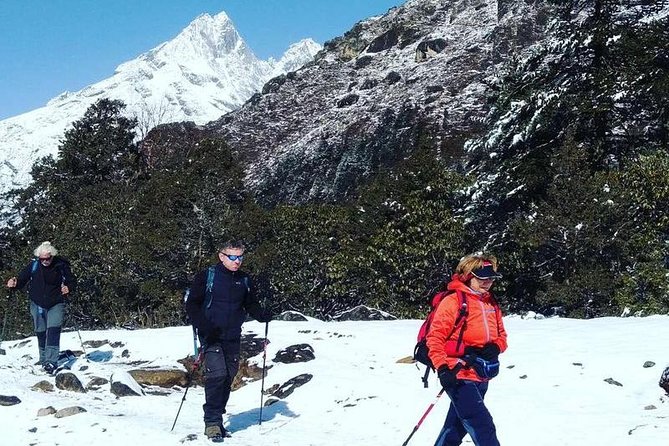
Once you leave Lukla, the route follows the valley of the Dudh Kosi river. This first stretch introduces the rhythm of the trek: walking between mountain settlements, crossing the Khumbu region, and gradually gaining height toward Everest.
The value here is not one single viewpoint. It is the change in daily life as you move deeper into the mountains. The route brings you into the home region of the Sherpa people, and the trip specifically emphasizes learning about their way of life.
Your guide matters from the start. Past departures were led by people including Pradeep, BK, Dhruba Dharel, and Susil. Their roles go beyond pointing out peaks. A good guide keeps the group moving, handles the practical details, and pays attention when someone is tired or unwell.
The operator runs this as a private activity, so only your own group participates. That can make the walking pace and daily decisions feel more personal than on a large group departure. The exact group size is not stated, so ask before booking if that detail is important to you.
Namche Bazaar, the Sherpa capital
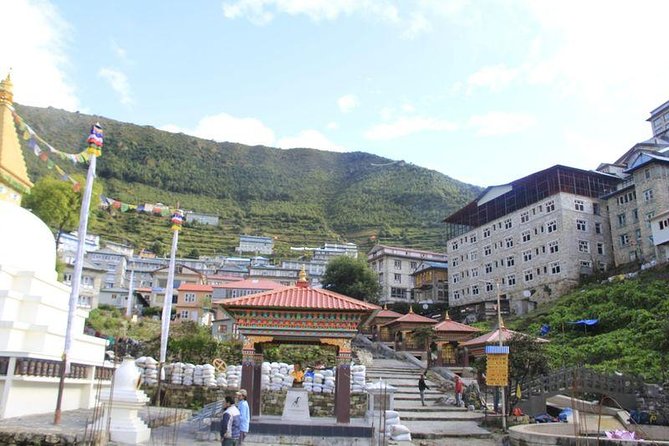
Namche Bazaar is one of the most memorable stops on the route. It is described as the Sherpa capital, and that label helps explain why it matters. You are not simply passing through a collection of mountain lodges. Namche is a central settlement where you can get a stronger sense of local trade, community life, and the way the Khumbu supports trekking.
I like this part of the route because it gives the trip a human center. Everest can become a list of peaks and photo stops, but Namche brings you back to the people who live and work here.
It is also an important point in the short schedule. Your body is adjusting to the higher altitude, and the trail is becoming more demanding. The itinerary does not provide a detailed day-by-day schedule, so you should ask how the operator handles acclimatization and how much time is planned in Namche.
The short format means you should pay attention to how you feel. Moderate fitness is required, and high altitude can affect people differently. Your guide’s care is valuable, but no guide can remove the physical demands of the route.
More treks starting in Kathmandu:
- Nagarkot Sunrise View and Day Hiking from Kathmandu
★ 5.0 · 471 reviews - Annapurna Circuit Trek with Tilicho Lake
★ 5.0 · 368 reviews - Everest Base Camp Trekking – 13 Day
★ 5.0 · 365 reviews - Everest Base Camp Trek -14 Days
★ 5.0 · 321 reviews
Tengboche Monastery and the cultural heart of the walk
Tengboche Monastery is another major stop. The old monastery adds a cultural layer to the trek and gives you a chance to see more than mountain scenery. The Khumbu is strongly shaped by Sherpa Buddhist traditions, and Tengboche helps place the journey in that setting.
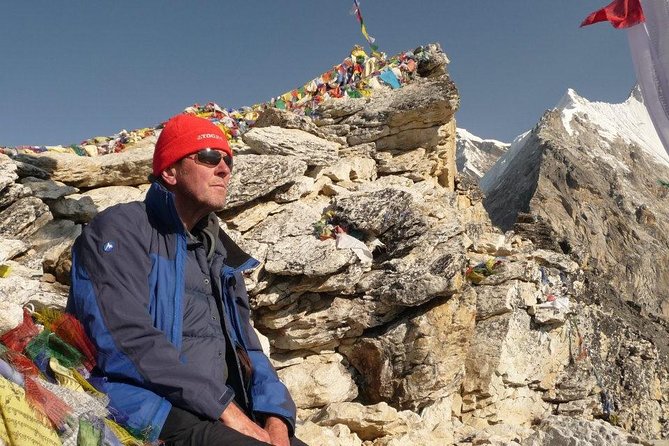
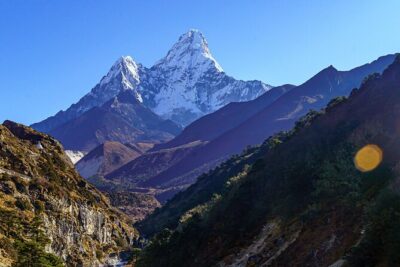
The monastery is also remembered for its mountain views. The surrounding peaks provide the kind of setting that makes the trek feel larger than a simple point-to-point hike. You are moving toward Everest, but the journey includes many peaks and valleys along the way.
I would give this stop proper time rather than treating it as a quick photo break. The tour description highlights it for good reason. It is one of the places where the physical route and local culture meet.
Do keep expectations practical. The trip promises a visit to Tengboche Monastery, not a private religious ceremony or a guided study of monastery life. Your guide can help explain what you are seeing, but the amount of interpretation may vary by guide and departure.
Everest Base Camp and the Khumbu Glacier
The central goal is Everest Base Camp, at the foot of Mount Everest. Reaching it gives you the headline experience: the mountain that draws people from around the world, along with the surrounding high peaks and the Khumbu Glacier.
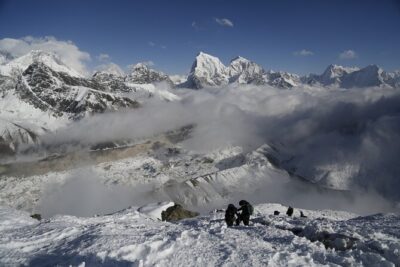
The appeal is not only the final arrival. You see the route tighten around the great mountain environment, with the glacier and icefall forming part of the visual drama. The Khumbu Icefall is specifically included among the sights, along with other tall peaks near Everest.
Remember that Base Camp itself is a destination, not the summit. You are trekking to the foot of the world’s highest mountain, not climbing Everest. That distinction helps you judge the experience fairly. The reward is the journey into the high Khumbu, the views, and the sense of reaching a famous point on the expedition route.
The ten-day plan makes this achievement more demanding. You have less spare time than on a longer itinerary, and the return flight adds a fixed deadline. Ask for the precise daily schedule before you pay, especially if you want to understand how the operator balances walking time and acclimatization.
Tea houses, meals, and the included equipment
Tea-house accommodation is included during the trek. This places you in the standard style of lodging used along the route, rather than a fully private hotel setup. Tea houses are practical and social, but you should not expect the same comfort or privacy you would find in Kathmandu.
Breakfast, lunch, and dinner are included. Coffee, tea, bottled water, soft drinks, and alcoholic drinks are not. Personal expenses are also extra, so keep money available for drinks and small purchases along the route.
The package includes a sleeping bag, down jacket, and duffel bag, which you return after the trek. That is useful if you do not want to buy cold-weather gear for one trip. It also reduces the amount of specialist equipment you need to pack.
A porter is not included. If you want porter support, you pay separately and should arrange it in advance. The guide can still help organize the trek, but carrying your own bag changes the physical workload. Ask exactly what weight the duffel is expected to hold and what you personally need to carry each day.
Air-conditioned vehicle service and all fees and taxes are included in the listed package. The vehicle is most relevant around Kathmandu and airport transfers, since the main route itself is walked.
What the $1,690 price really covers
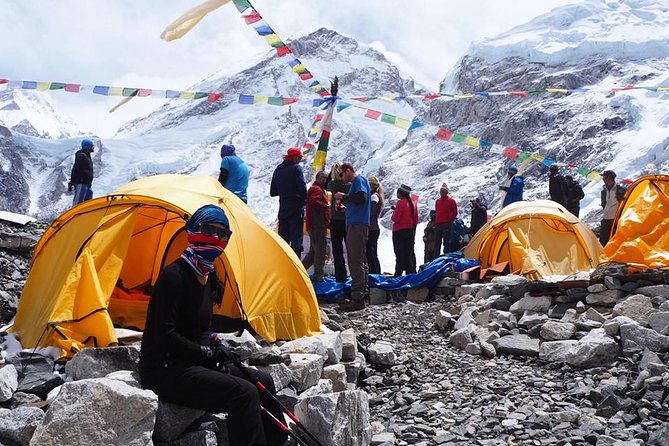
At $1,690 per person, this is not a bare trail package. The price includes round-trip Kathmandu to Lukla flights, three daily meals during the trek, tea-house lodging, taxes and fees, a route map, and several useful pieces of cold-weather equipment.
The flights are the biggest value point. Air travel to Lukla can be a costly and complicated part of arranging an Everest Base Camp trek independently. Having the operator handle both directions also cuts down on planning.
The value is stronger if you need a sleeping bag, down jacket, and duffel. You avoid buying gear that may sit unused after Nepal. It is less attractive if you already own all your equipment and prefer to choose your own lodging and flight arrangements.
Budget separately for a Kathmandu hotel, bottled water, drinks, alcohol, personal purchases, insurance, and a porter if needed. Travel insurance is especially important for a high-altitude trek, though the package does not include it.
The operator has a 4.9 rating from 40 reviews and a 98 percent recommendation rate. Those figures suggest a strong record, but they do not remove the need to confirm current guide assignments, the exact walking schedule, and weather procedures before departure.
Guide support can shape the whole experience
The most consistent praise centers on organization, attention, and personal care. BK was singled out for local insight and careful attention to safety. Pradeep was described as helpful, while Dhruba Dharel was praised for arranging the trip from start to finish. Susil was also named as an experienced and supportive guide.
Those names give you useful questions to ask. You can request the guide’s name before arrival, ask about the guide-to-group ratio, and clarify who handles the trek if the named manager is not walking with you. The company is Eco Holidays Nepal, but the individual guide affects your daily experience more than the company name alone.
One especially useful point is the way a guide may adjust plans when conditions change. A past departure had originally been intended as a three-passes trek, but heavy October snow led the guide and participant to choose Base Camp instead. That shows why local judgment matters in the Himalaya.
Still, you should see this as evidence of flexibility, not a promise that every problem will be solved. Weather, flights, and your health can all affect the route. Clear communication before you go is part of smart preparation.
Who should book this short Everest trek?
I would recommend it to you if you have ten days available, want the classic Everest route, and prefer a private trip with the main transport and meals arranged. It suits an active person who values the support of a guide but does not need a luxury lodge experience.
It is also a good fit if you want a first major Himalayan trek with a clear goal. Lukla, Namche Bazaar, Tengboche, Khumbu Glacier, and Base Camp give the trip plenty of variety.
I would hesitate if you want a relaxed schedule, dislike uncertain flight conditions, or have no experience with long walks. The package calls for moderate fitness, and the short timetable leaves little room to take things slowly.
I would also look carefully at the insurance requirement. The operator does not include travel insurance, and personal medical or trip disruption costs are your responsibility. That is a standard gap worth planning for before you leave home.
Practical details to settle before departure
Confirmation is provided at booking, and airport pickup is offered at Tribhuvan Airport. You receive a mobile ticket, which is handy, but keep your booking details available offline in case airport internet is unreliable.
Ask for the full day-by-day plan because only the main trek is described in detail. Confirm the expected walking hours, sleeping locations, altitude plan, guide assignment, baggage arrangements, porter cost, and what happens if a Lukla flight is delayed.
Also confirm the return plan. The package includes a Lukla to Kathmandu flight, but weather can affect that flight just as it can affect the arrival. Leave breathing room before your next international commitment.
Should you book the 10-day Everest Base Camp trek?
Book it if you want the famous Everest route in a tightly planned package and value included flights, meals, tea-house lodging, and borrowed cold-weather gear. The strong guide record, private format, and focus on Sherpa culture add real value.
Skip it, or choose a longer itinerary, if you want more rest days and a slower approach to altitude. The best reason to choose this tour is its efficient structure. The biggest warning is the same feature: ten days gives you less room for error.
FAQ
Where does the trek begin?
The experience begins at Tribhuvan Airport in Kathmandu, Nepal. Airport pickup is offered.
How long does the trek last?
The stated duration is approximately 10 days.
Are flights to Lukla included?
Yes. The package includes both-way flights between Kathmandu and Lukla.
Is accommodation included?
Yes. Tea-house accommodation during the trek is included. A hotel in Kathmandu is not included.
Are meals included?
Breakfast, lunch, and dinner are included. Coffee, tea, bottled water, soda, and alcoholic drinks are not included.
Is a porter included?
No. A porter is available only if needed and must be arranged and paid for separately.
What equipment is provided?
A sleeping bag, down jacket, and duffel bag are provided for the trek and returned afterward. A route map is also included.
What fitness level is required?
The operator states that you should have a moderate physical fitness level.
What happens if poor weather cancels the experience?
You will be offered a different date or a full refund. You can also cancel at least 24 hours before the start time for a full refund.
Recently added around Kathmandu
- Kathmandu : Swambhunath & Durbar Square Guided Half Day Tour★ 3.3 · 3 reviews
- Private Day Tour in Kathmandu Valley Rim with Bhaktapur Sightseeing★ 5.0 · 3 reviews
- From Kathmandu / Pokhara / Chitwan: River Rafting – 1 Day★ 4.6 · 3 reviews
- Nepali Cooking training & Cultural Homestay Experience★ 5.0 · 3 reviews
- Private 3-Hour Nagarkot Sunset Tour from Kathmandu★ 3.5 · 3 reviews
- From Kathmandu: Everest Base Camp Landing Helicopter Tour★ 5.0 · 3 reviews
- 4 UNESSCO World heritage sites of Kathmandu-private tour★ 5.0 · 3 reviews
- From Kathmandu Budget: 15 Day Everest Base Camp Trek★ 5.0 · 3 reviews
Everest Base Camp Treks, compared.
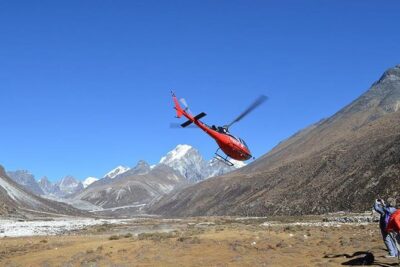
Everest Base Camp Helicopter Tour landing at Everest View Hotel
Read our review →
Everest Base Camp Helicopter Tour landing at Hotel Everest View
Read our review →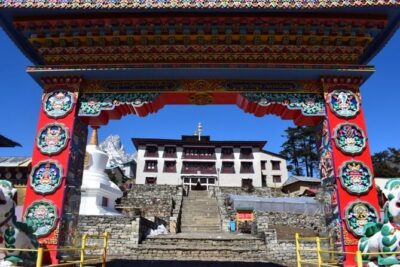
Browse the lists this tour appears in