
Reviewed · THAMEL TOURS
Thamel Rickshaw tour
Kathmandu’s old center is best understood at street level, and this private rickshaw ride puts you right in the middle of it. You roll from Thamel to Ason Market, Kathmandu Durbar Square, Freak Street, and Shree Gha while the city’s shops, shrines, food stalls, and traffic pass close by. I like the easy mix of sightseeing and eating, and I like that the tour gives local rickshaw drivers direct work. The main catch is that food, entry tickets, and any formal guide service cost extra.
I also like the flexible start time, roughly between 9:30 a.m. and 12:30 p.m., and the small-scale feel of a private group. Your driver handles the route and can speak English, Nepali, or Hindi, but the experience may suit you less if you need wheelchair access, have back or heart problems, or prefer a highly structured museum tour.
In This Review
- Key points at a glance
- Why a rickshaw is a good way to meet Kathmandu
- Starting near Thamel
- Ason Market and a Nepalese breakfast
- Kathmandu Durbar Square and the old royal center
- Freak Street and the optional $5 food challenge
- Shree Gha Stupa and Tibetan-style snacks
- Rolling back through Thamel
- What the $14 price really covers
- Timing, comfort, and sensible preparation
- Who should book this ride?
- Should you book the Thamel Rickshaw Tour?
- FAQ
- Where does the Thamel Rickshaw Tour start?
- How long does the tour take?
- What time can I start?
- Is the rickshaw private?
- Which places are included?
- Is food included in the price?
- What is the $5 Food Challenge?
- Can I see the Kumari, Nepal’s Living Goddess?
- What languages does the driver speak?
- Who should not take this tour?
Key points at a glance
- Ason Market breakfast: Try sel roti, samosas, and masala chai among produce, spices, temples, and local stalls.
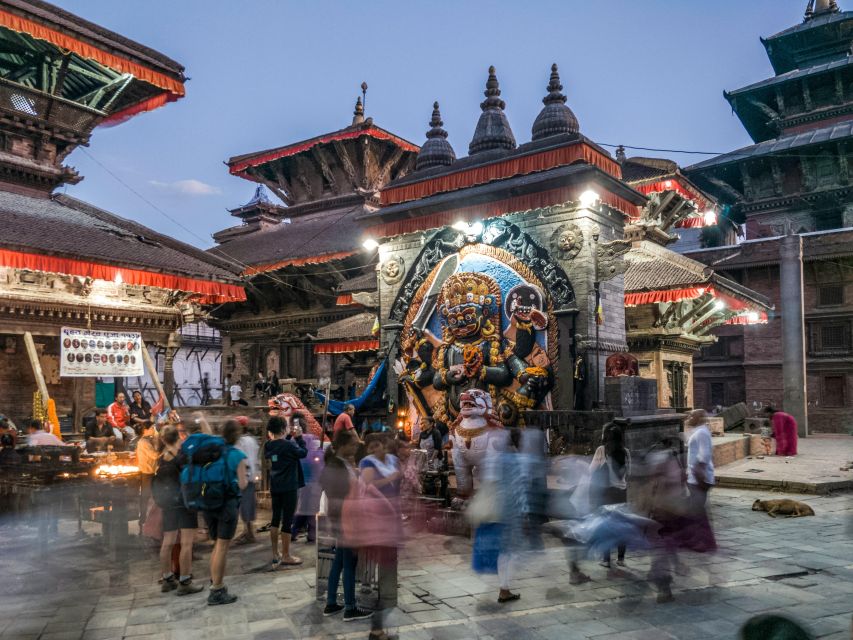
- Kathmandu Durbar Square: See Hanuman Dhoka, Kasthamandap, Kumari Ghar, Taleju Temple, and Gaddi Baithak.
- Living goddess timing: The Kumari may appear at her balcony from 9 to 11 a.m. or 4 to 6 p.m., so your start time matters.
- Optional $5 food challenge: Spend extra on momos, pani puri, lassi, Newari dishes, noodles, cake, and other local treats.
- Rickshaw support: Your booking helps local drivers regain work and earn better pay through direct bookings.
- Practical limits: The ride is not suitable for large luggage, wheelchair users, young children under five, or people with several listed medical restrictions.
Why a rickshaw is a good way to meet Kathmandu
A cycle rickshaw is not the fastest way across Kathmandu, and that is part of its value. You move slowly enough to see shopfronts, shrines, market corners, and street activity, but you are not walking every step between Thamel and the old city.
The ride also changes how you experience the streets. From a car, the old center can feel like a blur of traffic. From a rickshaw, you are close to the action. You can look into small shops, watch vendors work, and pause near places that deserve a closer look.
This is a private group experience, which gives you more room to ask for a short stop or clarification. Still, do not expect a full historian-led tour. The listed service includes a driver rather than a dedicated tour guide, so the depth of explanation can depend on the driver assigned to you. One especially good sign is the emphasis on punctuality, polite service, careful driving, and useful information. That combination matters more than fancy transport in Kathmandu’s crowded center.
The ride lasts about four hours, though the route details also describe roughly four and a half hours. I would plan for a half day, not a tightly timed four-hour appointment.
More around Thamel:
- Half day cooking class in Thamel kathmandu
★ 5.0 · 607 reviews - Best Nepali Cooking Class in Thamel with Local Market Trip
★ 5.0 · 26 reviews - Kathmandu: Wood Carving Workshop with Local Artisan (Thamel)
★ 4.9 · 17 reviews
Starting near Thamel
The tour begins with pickup at your Thamel hotel or a nearby meeting point. Have your booking details ready and wait at the stated location, since the exact pickup arrangement is confirmed when you book.
Thamel is a sensible starting point. It is Kathmandu’s main tourist district, filled with hotels, restaurants, shops, and travel offices. The contrast comes quickly once the rickshaw moves toward Ason. Thamel has a visitor-friendly face, while Ason gives you a closer look at everyday commerce and old neighborhood life.
The vehicle is a traditional cycle rickshaw, not a motorized tuk-tuk. That means a slower pace and less room. Large bags and luggage are not allowed, so leave your main bags at your hotel. The experience is also not recommended for people with back problems, mobility impairments, heart problems, high blood pressure, or for anyone over 110 kilograms. Children under five, wheelchair users, people over 95, and those with hearing impairments are also listed as unsuitable.
Ason Market and a Nepalese breakfast
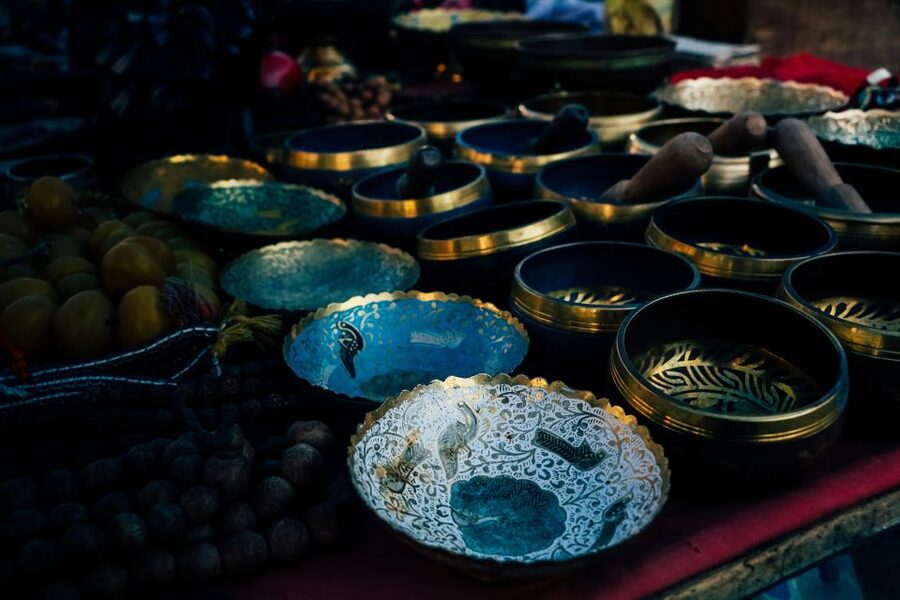
Ason is one of the strongest parts of the route. This old market area is known for its narrow lanes, local produce, spices, handmade goods, and small religious sites. The market is not presented as a polished attraction. Its appeal is the ordinary work of buying, selling, cooking, and worshipping in the same compact area.
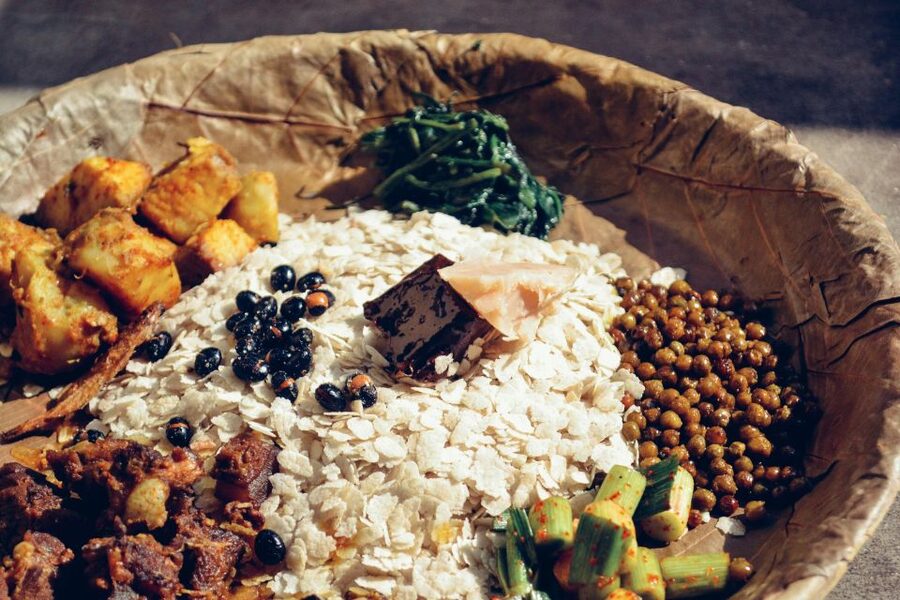
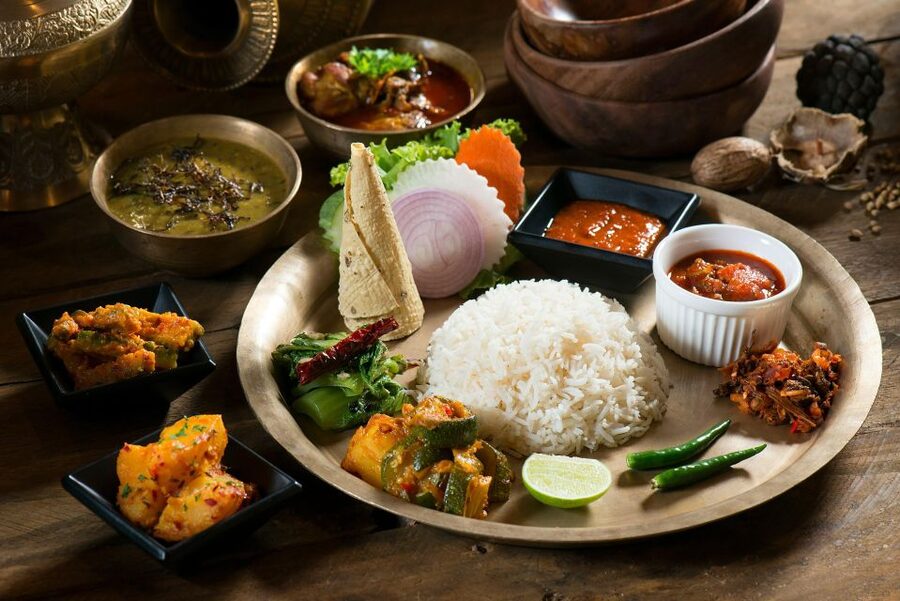
You can try sel roti, a ring-shaped rice doughnut, along with samosas and masala chai. These are simple, filling foods, and they give you a better introduction to local tastes than a restaurant meal designed for visitors. The tour also points you toward Annapurna and Ganesh temples, adding a religious layer to the food stop.
Allow about an hour here. You will have time to look around, taste local snacks, and see the market’s arts and crafts. Food is not included in the $14 price, so carry some spending money in small denominations. The amount you eat is up to you, which is useful if you want only a light breakfast or prefer to save room for the later food challenge.
Ason can be crowded and noisy. That is part of the setting, but it may feel tiring if you want quiet streets or easy photography. Keep your belongings close, watch your footing, and stay aware when the rickshaw moves through tight areas.
Kathmandu Durbar Square and the old royal center
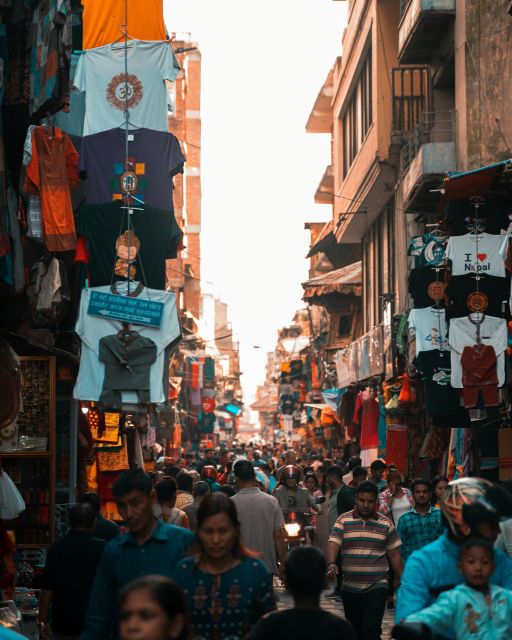
The route then reaches Kathmandu Durbar Square, the major heritage stop. The square is a UNESCO World Heritage Site and brings together royal buildings, temples, courtyards, and later architectural layers.
You can see Hanuman Dhoka Palace, the former royal palace that now houses a museum, and Kasthamandap, the old wooden structure that gives Kathmandu its name. The square also includes Taleju Temple, linked with the Malla kings, and Gaddi Baithak, a neoclassical building that reflects Nepal’s colonial-era influences.
The most unusual stop is Kumari Ghar, home of the Kumari, Nepal’s Living Goddess. She may be seen from her balcony between 9 and 11 a.m. or 4 and 6 p.m. This makes your start time important. A midday departure can miss the morning viewing window, and the standard route may not run late enough for the afternoon window. If seeing the Kumari matters to you, ask about timing before you confirm the booking.
The square is not only a place for sightseeing. It remains part of city life, with worship, commerce, movement, and food nearby. I like that this tour does not isolate the monuments from their surroundings. You see the old royal center as part of a living neighborhood rather than as a silent museum.
Entry fees are not included. The supplied details do not state the current ticket price, so check before you go and keep that expense separate from the $14 booking cost. You may spend up to two hours in this area, either following the driver’s route or taking some time for your own look around.
A completely different sort of day in Kathmandu:
- Everest Base Camp Trek – 14 Days
★ 5.0 · 1,499 reviews - Private Kathmandu Sightseeing Tour | UNESCO World Heritage sites
★ 5.0 · 756 reviews - Everest Base Camp Helicopter Tour landing at Everest View Hotel
★ 5.0 · 668 reviews - Everest Base Camp Trekking
★ 5.0 · 485 reviews
Freak Street and the optional $5 food challenge
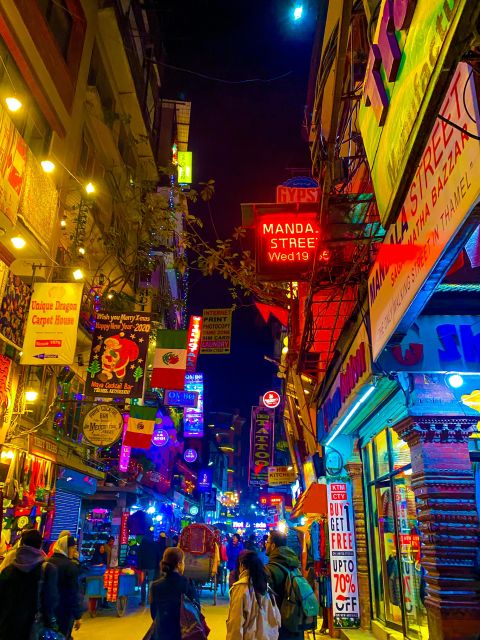
Freak Street, near Durbar Square, once carried Kathmandu’s hippie-era reputation. Today it is a lively local and visitor area with food shops and small businesses. It is also one of the main places for the optional $5 Food Challenge.
The challenge is an extra personal expense, not part of the tour price. It gives you a set budget for sampling several small foods rather than ordering one full meal. That format is fun because you can compare flavors and decide how adventurous you want to be.
Possible stops include:
- Momos, Nepal’s popular dumplings
- Pani puri, crisp shells filled with flavored water
- Cake at Snowman Cafe
- A corn dog at Suju Corn Dog
- Lassi from Janakpur Dahi Lassi Bhandar
- Newari food at Bhatti Restro
- Tea at Mama Chiya
The tour also mentions Indrachowk as another food area. Since specific dishes and shops can affect your budget, treat $5 as a target rather than assuming every item will fit into the challenge. You may want to ask the driver which stops are open and how to divide the money.
This is a good add-on if you enjoy grazing and trying unfamiliar foods. It is less useful if you have strict dietary needs. People with lactose intolerance are specifically advised not to take this activity, and foods such as lassi, kulfi, and dairy-based cake may be part of the suggestions. The supplied information does not promise vegetarian, vegan, allergy-safe, or gluten-free alternatives, so ask before eating if that matters to you.
Shree Gha Stupa and Tibetan-style snacks
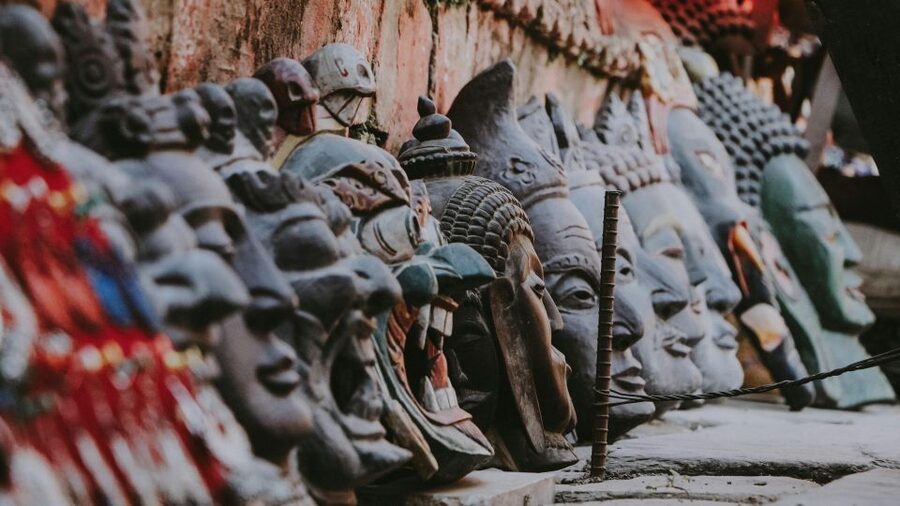
Shree Gha is a smaller, quieter stop near Thamel and Kathmandu Durbar Square. After the market streets and square, the stupa offers a change of pace. You can light butter lamps and spin prayer wheels, then try Tibetan-style street foods such as laphing, cold noodles, and keema noodles.
Kulfi, a traditional South Asian ice cream, is also suggested. Again, this is an extra purchase, and the dairy content is relevant if you are lactose intolerant.
The value of Shree Gha is not in the size of the monument. It is a short spiritual pause in a busy route. You get a chance to slow down, observe local religious practice, and see another side of Kathmandu’s food culture. If your main goal is grand architecture, this will be a modest stop. If you like contrasts, it helps the tour feel less like a list of famous sights.
Rolling back through Thamel
The final ride returns through Thamel, allowing you to see the district from the rickshaw rather than simply starting there. You pass colorful shops, cafes, markets, and tourist businesses while the vehicle moves at an unhurried pace.
This part is more about atmosphere than formal sightseeing. You may find it useful for getting your bearings before a later walk through Thamel. It also gives you a chance to ask your driver about places you want to revisit.
The scheduled drop-off is back at your hotel or a pre-arranged point. Since the vehicle is small and the route is affected by traffic, avoid booking a flight, train, or fixed appointment immediately after the ride.
What the $14 price really covers
At $14 per person, this is an inexpensive way to connect several central Kathmandu sights. The price includes rickshaw pickup and drop-off, allowances, taxes, and service charges. For a private group, that is a fair starting price.
But the headline price does not cover everything. You pay separately for:
- Food and drinks
- The optional $5 Food Challenge
- Entry fees
- Personal expenses
- Any service not included in the rickshaw arrangement
The tour works best as low-cost transportation with a local route and food suggestions, not as an all-inclusive cultural package. If you want a formal guide explaining every building, you should clarify that before booking because the stated service lists a driver, not a separate guide.
The community angle also adds value. The experience is designed to send bookings directly to local rickshaw drivers who lost work as digital platforms changed how visitors arranged tours. Better pay and regular work can make a real difference, and the company is also working to improve drivers’ communication skills. You are not simply buying a ride. You are helping keep a traditional transport service connected to Kathmandu’s tourism economy.
Timing, comfort, and sensible preparation
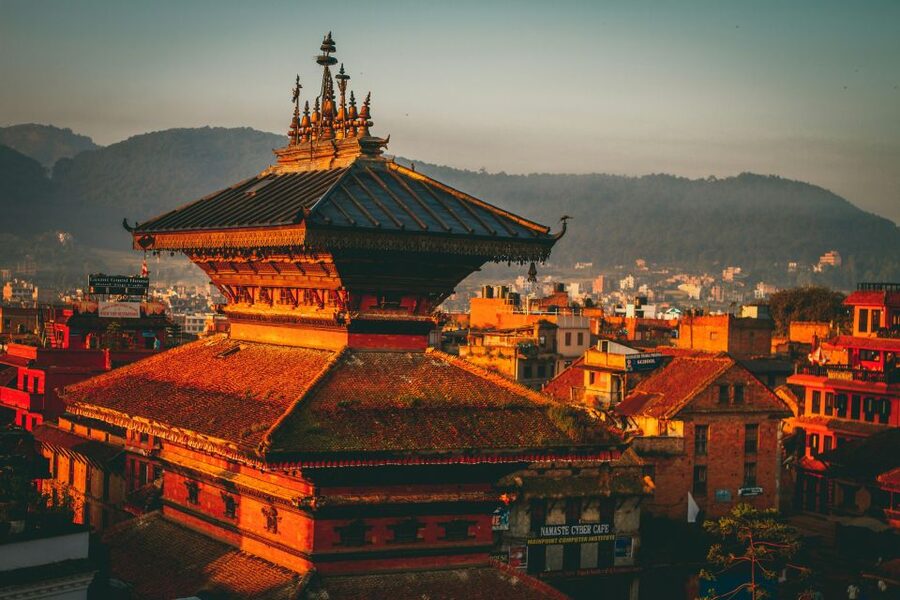
The flexible start window runs from about 9:30 a.m. to 12:30 p.m., but not every start time is equally good. A morning departure gives you the best chance of reaching Kumari Ghar during the 9 to 11 a.m. viewing period. A later start may suit you better for a relaxed food-focused ride, but it could miss that particular sight.
Wear comfortable clothing and shoes for market lanes and the Durbar Square area. The supplied rules prohibit alcohol, drugs, littering, jumping, alcoholic drinks in the vehicle, and making fire. These are basic safety and conduct requirements, but they are worth noting because the vehicle is open and the streets are crowded.
The driver speaks English, Nepali, or Hindi. One driver was particularly punctual, polite, careful, and willing to show more than the listed stops while offering useful information. You should still treat the experience as driver-led rather than assuming a specialist cultural guide will be present.
Free cancellation is available up to 24 hours before the start time, and you can reserve now and pay later. Those terms help if your Kathmandu schedule is still moving around.
Who should book this ride?
I would choose this tour if you want a short introduction to Kathmandu that combines transport, food, religious places, and major heritage sights. It is especially useful during a first stay in Thamel, when you want to reach Ason and Durbar Square without planning every turn yourself.
It also suits you if you like small tastings, informal local contact, and a slower ride. The private format is helpful for couples, friends, or families with older children who want some control over the pace.
I would think twice if you need full wheelchair access, dislike exposed street traffic, have back or heart concerns, or want a detailed guided lecture at every monument. The food challenge is optional, so you can skip it, but the basic route still involves markets, uneven urban spaces, and time around food stalls.
Should you book the Thamel Rickshaw Tour?
Book it if you value local transport, street food, and a practical half-day route more than a polished guided excursion. The $14 base price is good for a private rickshaw ride with pickup and drop-off, especially when you add only the foods and entry tickets you actually want.
Before paying, confirm three things: your exact start time, the cost and arrangement for Kathmandu Durbar Square entry, and whether you will have a dedicated guide or only the English-speaking driver. Pick a morning departure if the Kumari is a priority. Skip the food challenge if you have dairy concerns or dietary restrictions. For an affordable first look at Kathmandu’s old center, this is a sensible choice with a clear local benefit.
FAQ
Where does the Thamel Rickshaw Tour start?
Pickup is from Thamel, usually at your hotel or a nearby pre-arranged meeting point.
How long does the tour take?
The stated duration is four hours, while the route details describe about four and a half hours. Plan for a half day.
What time can I start?
The tour can start flexibly between about 9:30 a.m. and 12:30 p.m. Confirm your preferred time when booking.
Is the rickshaw private?
Yes. The experience is offered for a private group.
Which places are included?
The route includes Ason Market, Kathmandu Durbar Square, Freak Street, Shree Gha Stupa, and a ride through Thamel before drop-off.
Is food included in the price?
No. Food, drinks, the optional Food Challenge, entry fees, and personal expenses are separate.
What is the $5 Food Challenge?
It is an optional food-tasting activity costing extra. Suggested items include momos, pani puri, lassi, Newari food, cake, noodles, tea, and kulfi.
Can I see the Kumari, Nepal’s Living Goddess?
Kumari Ghar is included in the route. The Kumari may be seen from her balcony between 9 and 11 a.m. or 4 and 6 p.m., so choose your start time carefully.
What languages does the driver speak?
The driver can speak English, Nepali, or Hindi.
Who should not take this tour?
The activity is not suitable for children under five, wheelchair users, people with mobility, back, heart, or high blood pressure problems, people over 110 kilograms, people over 95 years old, people with hearing impairments, or people with lactose intolerance. Large bags, alcohol, drugs, littering, jumping, and making fire are not allowed.
Recently added around Kathmandu
- Kathmandu : Swambhunath & Durbar Square Guided Half Day Tour★ 3.3 · 3 reviews
- Private Day Tour in Kathmandu Valley Rim with Bhaktapur Sightseeing★ 5.0 · 3 reviews
- From Kathmandu / Pokhara / Chitwan: River Rafting – 1 Day★ 4.6 · 3 reviews
- Nepali Cooking training & Cultural Homestay Experience★ 5.0 · 3 reviews
- Private 3-Hour Nagarkot Sunset Tour from Kathmandu★ 3.5 · 3 reviews
- From Kathmandu: Everest Base Camp Landing Helicopter Tour★ 5.0 · 3 reviews
- 4 UNESSCO World heritage sites of Kathmandu-private tour★ 5.0 · 3 reviews
- From Kathmandu Budget: 15 Day Everest Base Camp Trek★ 5.0 · 3 reviews
Thamel Tours, compared.
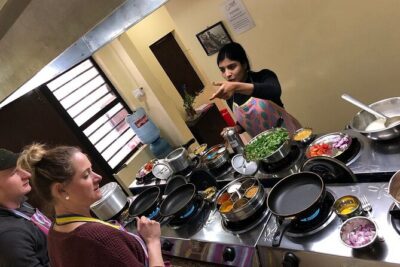
Best Nepali Cooking Class in Thamel with Local Market Trip
Read our review →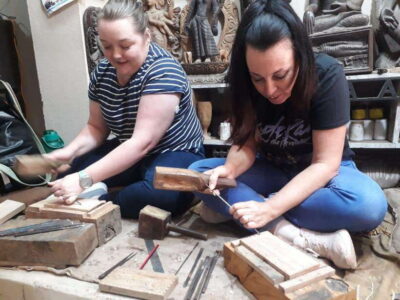
Wood Carving Workshop with Local Artisan (Thamel)
Read our review →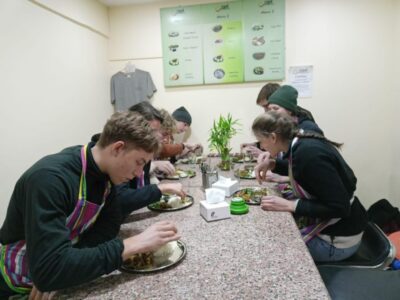
Half Day Cooking Class in Thamel with Local Market Visit
Read our review →
Taste Nepali Food & Drink- Walking Tour in Thamel
Read our review →
About 3-hour Cooking Class Experience near Thamel
Read our review →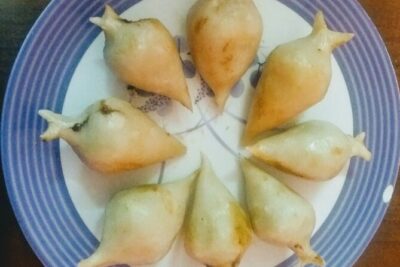
Cook and Eat: Cooking Class in Kathmandu near Thamel
Read our review →Browse the lists this tour appears in