
Reviewed · ANNAPURNA TREKS
Annapurna Base Camp, Nepal 10 days
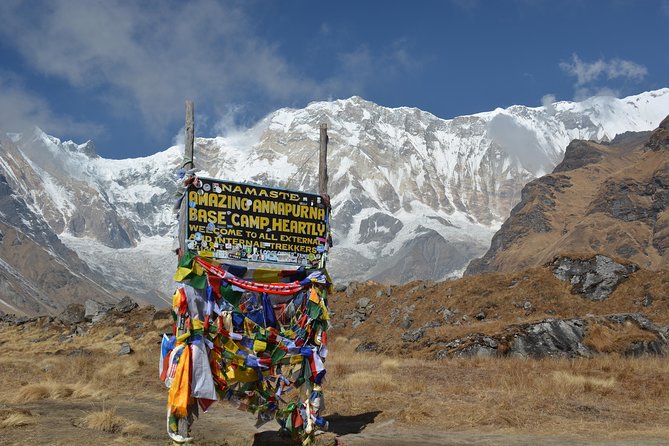
Annapurna Base Camp is a trek of changing scenery and steady effort: you move from Pokhara’s lower hills through Gurung villages, bamboo forest, stone stairways, and high mountain country to a broad sanctuary beneath Annapurna. The route gives you a real Himalayan walk without the long travel time of some other Nepal treks.
I like the private format, since your guide can adjust the pace instead of pushing a fixed group along. I also like the mix of teahouse nights, local villages, and spectacular views of Annapurna South, Hiunchuli, Machhapuchhre, and Gangapurna. The main catch is simple: this is still a demanding high-altitude trek, with days of three to eight hours and plenty of steep steps.
In This Review
- Key points to know before you book
- Why this 10-day Annapurna route works
- Kathmandu to Pokhara: seven hours on the road
- Ghandruk and the Gurung foothills
- Chhomrong and the first major climb
- Stone steps, suspension bridges, and Bamboo forest
- From Bamboo to Deurali at 3,230 meters
- Machhapuchhre Base Camp and Annapurna Base Camp
- The long return to Bamboo and Chhomrong
- Returning through Siwai and Pokhara
- What $848 includes, and where costs continue
- Who should book this trek?
- Should you book the Annapurna Base Camp trek?
- FAQ
- How long is the Annapurna Base Camp experience?
- What is the starting time?
- Is transportation included?
- Is this a private tour?
- What meals are included?
- Where do you sleep?
- Are hot showers and Wi-Fi included?
- How fit do I need to be?
- Can I cancel for a full refund?
Key points to know before you book
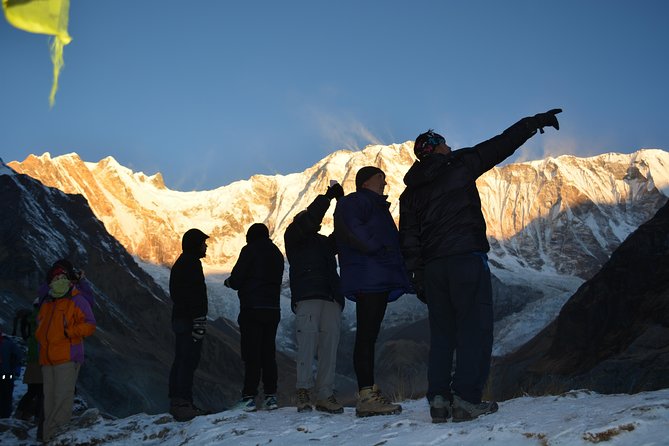
- Annapurna Base Camp is reached on foot over several days, with the high point following a night at Deurali.
- The route begins with a long road journey, about seven hours from Kathmandu to Pokhara.
- Private guiding gives you more control, especially useful on steep sections or when you need a slower morning.
- Ghandruk adds cultural depth, with time in a Gurung community and a chance to visit the Gurung museum if schedules allow.
- Teahouse comforts are basic, and hot water, hot showers, Wi-Fi, and battery charging cost extra during the trek.
- The $848 price covers a lot, including transport, accommodation, most meals, and private trip arrangements, but tips and some mountain services are separate.
Why this 10-day Annapurna route works
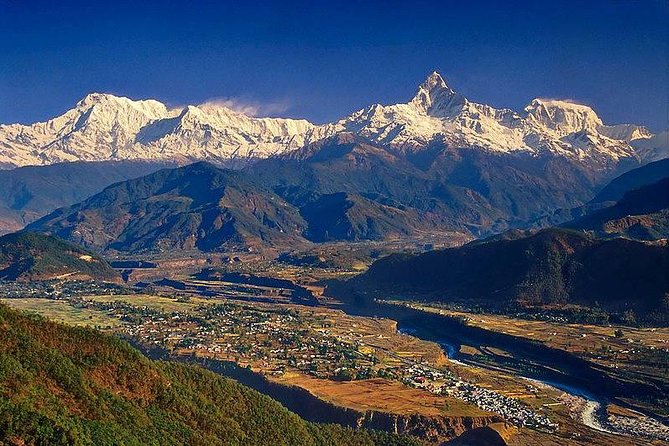
The Annapurna Base Camp trek is a good choice if you want a serious mountain walk but have only about ten days. It combines road transport, village walking, forest trails, and high-altitude views in one compact trip.
You begin in Kathmandu, travel west to Pokhara, and then reach the trailhead by road. From there, the route climbs through Ghandruk, Chhomrong, Sinuwa, Bamboo, Himalaya, Deurali, Machhapuchhre Base Camp, and finally Annapurna Base Camp. The return follows a different rhythm, with long downhill sections and a final drive back to Pokhara before returning to Kathmandu.
The private setup matters here. A route with steep stone stairs, suspension bridges, and changing altitude does not suit everyone at the same speed. You can ask for breaks, discuss the day’s walking time, and speak directly with your guide about how you feel. Guides connected with this operator have included Sandip, Resham GC, Nitesh, and Raju. The exact guide is not guaranteed, but personal care and help with arrangements are a recurring strength of the service.
More Annapurna treks:
- Annapurna Circuit Trek with Tilicho Lake
★ 5.0 · 368 reviews - Annapurna base camp trek 5 Days
★ 5.0 · 252 reviews - Annapurna Base Camp Trek
★ 5.0 · 111 reviews
Kathmandu to Pokhara: seven hours on the road
Your trip begins early, with a stated start time of 6:15 a.m. Day one is mostly a road day. The tourist bus takes about seven hours to cover the roughly 200 kilometers from Kathmandu to Pokhara, a reminder that Nepal’s mountain roads are measured more by time than distance.
This is not a sightseeing stop-packed transfer. It is a practical way to reach Pokhara and position you for the trek. The included air-conditioned vehicle helps, but you should still expect a full travel day. Bring water, snacks, and something to occupy you during the ride.
Pokhara sits at about 820 meters and is a much lower starting point than the high trail ahead. That makes it a useful place to rest before walking begins. The trip can also use a flight back to Kathmandu on day ten for an extra $100, but the supplied plan uses the road and estimates another seven hours.
Ghandruk and the Gurung foothills
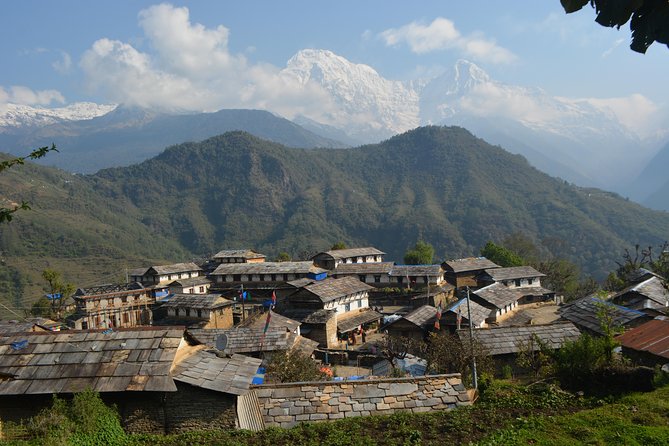
On day two, you drive about two and a half hours to Siwai, then start walking toward Ghandruk. The walking time is listed at around four hours, making this a gentler first trail day than some of the later stages.
Ghandruk is one of the most appealing stops on the route. It is a beautiful village associated largely with the Gurung community, and it gives you an early look at the human side of the Annapurna region. If time permits, you may visit the Gurung museum, a useful addition because the trek is not only about mountain views.
This day also helps you find your walking rhythm. You will be on uneven trails and climbing gradually, but the day is short enough to avoid starting with the hardest section. Your accommodation is in a teahouse, where you should expect a practical mountain stay rather than hotel-style service.
Chhomrong and the first major climb
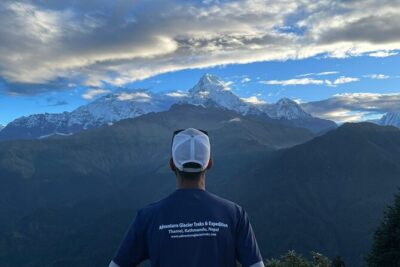
The next stage takes you toward Chhomrong and includes about six hours of walking. From the trail, you can see Annapurna South, Hiunchuli, Machhapuchhre, and Gangapurna. The views become more dramatic as the route moves higher, but the trail also demands more from your legs.
One early climb lasts about an hour up to Kimrungdanda. This is the sort of section where a private guide earns his keep by helping you settle into a steady pace. Do not race the first climb. A slow, regular rhythm will serve you better over the whole ten days.
Chhomrong is an important point on the route, both as a village stop and as a trail junction. The village days can feel harder than the mileage suggests because the Annapurna region relies heavily on stone steps. You should be comfortable walking uphill for long periods before booking this trip.
A completely different sort of day in Kathmandu:
- Everest Base Camp Trek – 14 Days
★ 5.0 · 1,499 reviews - Private Kathmandu Sightseeing Tour | UNESCO World Heritage sites
★ 5.0 · 756 reviews - Everest Base Camp Helicopter Tour landing at Everest View Hotel
★ 5.0 · 668 reviews - Half day cooking class in Thamel kathmandu
★ 5.0 · 607 reviews
Stone steps, suspension bridges, and Bamboo forest
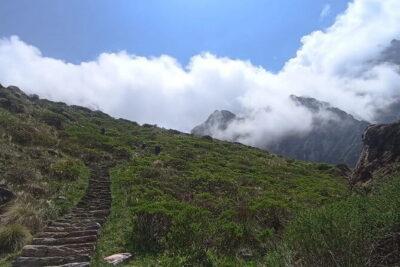
The trail leaving Chhomrong begins with about 2,500 stone steps descending toward the Chhomrong Khola. You then cross a swaying suspension bridge before climbing again toward Sinuwa. This is one of the route’s less subtle reminders that Himalayan trekking is not a flat walk with a few scenic pauses.
After Sinuwa, the path passes through forest toward Kuldighar and Bamboo. The walking time is about five hours. The forest offers shade and a cooler feel, but the damp conditions can make the trail feel cold, especially in the morning or after rain.
Bamboo is a useful overnight stop because the route starts to feel more enclosed and more remote. You will also notice a change in the day’s effort: descents followed by climbs can be tiring even when the total hours look manageable. Trekking poles would be sensible, though the supplied details do not state that equipment is provided.
From Bamboo to Deurali at 3,230 meters
Day five covers Bamboo to Deurali, at about 3,230 meters or 10,595 feet, in four to five hours. The trail continues through bamboo forest, which is described as damp and cold, then climbs steadily with fewer sharp sections.
The route passes Himalaya Hotel before the surroundings open up more. This is a key point in the trip because you are now gaining altitude in a serious way. Even if you feel strong, do not treat this as a normal hill walk. Keep your pace easy, drink regularly, and tell your guide promptly if you feel unwell.
Deurali is a high overnight stop before the push to Machhapuchhre Base Camp and Annapurna Base Camp. Accommodation remains in a teahouse, and the practical details matter here. Hot water, hot showers, Wi-Fi, and battery charging are not included, so bring spare power banks and budget for optional services.
Machhapuchhre Base Camp and Annapurna Base Camp
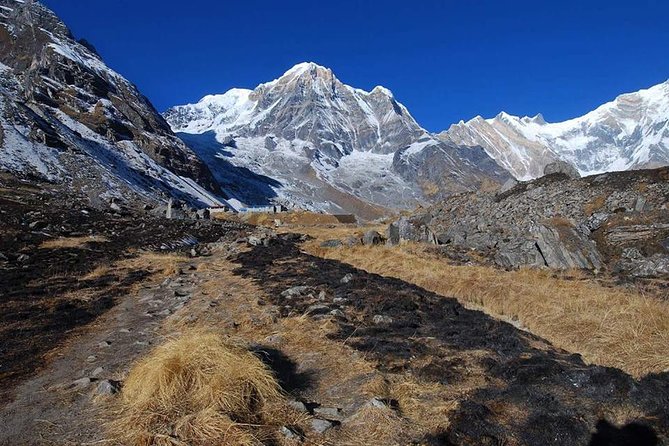
Day six is the central test of the trek, with about six hours of walking. The path climbs gently through a river bed and then follows a steep trail along the mountainside. The section from Bagar to Machhapuchhre Base Camp is described as strenuous, so you should save energy rather than spend it early in the morning.
From Machhapuchhre Base Camp, you continue toward Annapurna Base Camp. The reward is the mountain setting itself: you are walking into the Annapurna Sanctuary, surrounded by some of Nepal’s most famous peaks. The exact sightlines depend on weather, but the route is designed to bring you beneath the high walls of the Annapurna range.
This is also where the altitude becomes the main concern. The tour is best for fit people with a moderate level of physical fitness, but that phrase should not be taken lightly. You need to handle several hours of walking, steep trails, and repeated climbs on consecutive days.
Your guide can explain the spiritual and environmental importance of the Annapurna Sanctuary as you walk. That context adds something important. You are not simply collecting a base camp photograph; you are passing through a protected mountain area with local communities, working trails, and a way of life shaped by altitude.
The long return to Bamboo and Chhomrong
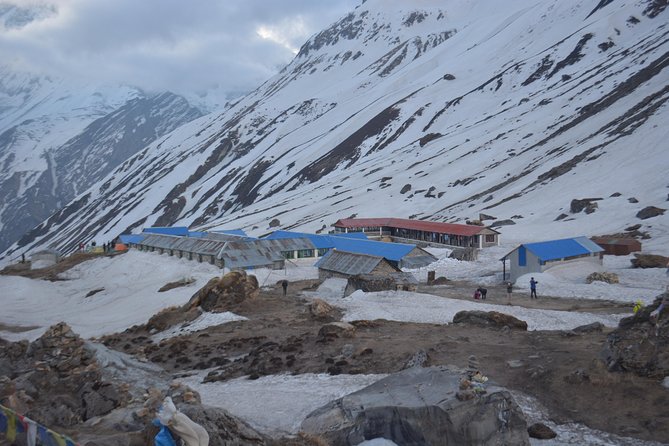
After reaching Annapurna Base Camp, the route retraces its steps to Bamboo. The day is listed at about eight hours, although much of it is downhill. That makes it easier in one sense, but long descents can be hard on knees and ankles.
The mountain views continue to do much of the work here. You are moving away from the high sanctuary, so the feeling changes from reaching a goal to gradually returning to villages and forest. Keep your trekking poles handy if you use them, and do not assume downhill walking requires no effort.
The following day takes you from Bamboo back toward Chhomrong and then down to Jhinu Danda, with about six hours of walking. You climb from Bamboo to Kuldighar, descend to the Chhomrong Khola, climb the stone steps to Chhomrong, and then descend again to Jhinu Danda.
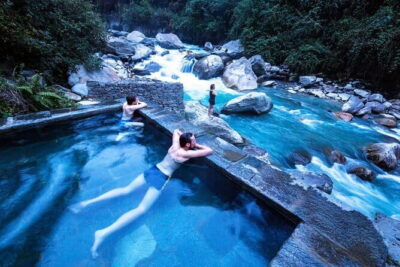
That repeated up-and-down pattern is typical of this route. Jhinu Danda is a welcome stopping point after the high section, though the information supplied does not promise a hot spring visit. Do not book this trek solely for that expectation.
Returning through Siwai and Pokhara
Day nine takes you from Jhinu Danda to Siwai. The walk lasts about six hours and includes western Nepal hill views and a striking sight of wild bee hives beneath a cliff. You stop for lunch along the way, then finish the trek at Siwai and board the vehicle to Pokhara.
This final walking day gives you a softer ending than another high mountain push. The villages and hills return to the foreground, and the pace becomes more about reaching the road than chasing altitude.
Day ten is the drive back to Kathmandu, estimated at seven hours after breakfast. You may have time to look around shops and buy souvenirs before resting in Kathmandu. A flight is available for an additional $100, according to the trip details, which could save time but is not included in the stated price.
What $848 includes, and where costs continue
At $848 per person, the price is attractive for a private ten-day trek that includes transport, accommodation, and most meals. You receive hotel and teahouse accommodation, breakfast on all ten days, seven dinners, and eight lunches. The plan also includes an air-conditioned vehicle for the road transfers.
The meal count is worth checking before you pay. Most food is included, but not every meal is covered. Ask the operator to confirm exactly which breakfasts, lunches, and dinners are included on your chosen departure.
Mountain extras are separate. Hot water, hot showers, Wi-Fi, and battery charging during the trek are not included. Tips for the crew are also not included, so carry enough local cash for those costs.
I see the price as good value if you want a private guide and do not need luxury. It is less useful if you expect constant internet access, private bathrooms, included hot showers, or a hotel room every night. Teahouses are part of the experience, but they require a simpler approach to comfort.
Who should book this trek?
You should consider this trip if you are fit, enjoy walking for several hours a day, and want a direct route to Annapurna Base Camp. It suits people who value local villages, mountain scenery, and a private guide more than polished resort comforts.
It can also work well for a solo hiker who wants support with transport and trail arrangements. One solo participant used the operator’s help for a smoother journey, with the guide providing day-to-day assistance. The private format can give a solo trekker more confidence without forcing a large group schedule.
This is not the right choice if you dislike steep stairs, long road transfers, basic teahouses, or high-altitude walking. You should also be ready for changing weather. The operator requires good conditions and offers a different date or full refund if poor weather cancels the experience.
The cancellation terms are fairly practical: cancel at least 24 hours before the start for a full refund. Changes or cancellations inside that window are not accepted for a refund, and a minimum group requirement may apply even though the activity itself is private.
Should you book the Annapurna Base Camp trek?
I would book this trek if you want a well-priced, private route with a clear ten-day structure and most major costs included. The best parts are the progression from Ghandruk’s Gurung culture to the high sanctuary, the wide mountain views, and the freedom to set a pace with your guide.
Before booking, confirm your assigned guide, the exact teahouses, the meals covered each day, and the cost of optional mountain services. If you prepare for basic conditions and steady physical work, this offers a strong introduction to the Annapurna region without stretching into a much longer expedition.
FAQ
How long is the Annapurna Base Camp experience?
The experience lasts approximately 10 days, including transport between Kathmandu, Pokhara, and the trekking route.
What is the starting time?
The stated start time is 6:15 a.m.
Is transportation included?
Yes. The package includes an air-conditioned vehicle. The plan uses a tourist bus from Kathmandu to Pokhara and road transport from the trail area. A return flight to Kathmandu may be available for an extra $100.
Is this a private tour?
Yes. Only your group participates, and the private format can be customized to suit your needs.
What meals are included?
The package lists breakfast for 10 days, dinner for 7 days, and lunch for 8 days. Confirm the exact meal schedule with the operator before departure.
Where do you sleep?
Accommodation is provided in hotels and teahouses. The trekking nights are in teahouses rather than standard hotels.
Are hot showers and Wi-Fi included?
No. Hot water, hot showers, Wi-Fi, and battery charging during the trek are not included.
How fit do I need to be?
You should have a moderate level of physical fitness. Walking days range from about three to eight hours and include steep trails, stone steps, and high-altitude sections.
Can I cancel for a full refund?
You can cancel at least 24 hours before the experience starts for a full refund. Cancellations or changes made less than 24 hours before the start are not accepted for a refund.
Recently added around Kathmandu
- Kathmandu : Swambhunath & Durbar Square Guided Half Day Tour★ 3.3 · 3 reviews
- Private Day Tour in Kathmandu Valley Rim with Bhaktapur Sightseeing★ 5.0 · 3 reviews
- From Kathmandu / Pokhara / Chitwan: River Rafting – 1 Day★ 4.6 · 3 reviews
- Nepali Cooking training & Cultural Homestay Experience★ 5.0 · 3 reviews
- Private 3-Hour Nagarkot Sunset Tour from Kathmandu★ 3.5 · 3 reviews
- 4 UNESSCO World heritage sites of Kathmandu-private tour★ 5.0 · 3 reviews
- From Kathmandu: Everest Base Camp Landing Helicopter Tour★ 5.0 · 3 reviews
- From Kathmandu Budget: 15 Day Everest Base Camp Trek★ 5.0 · 3 reviews
Annapurna Treks, compared.
Kathmandu to Annapurna Base Camp (ABC) 5-Day Trek
Read our review →
Browse the lists this tour appears in