
Reviewed · ANNAPURNA TREKS
Annapurna Base Camp Trek
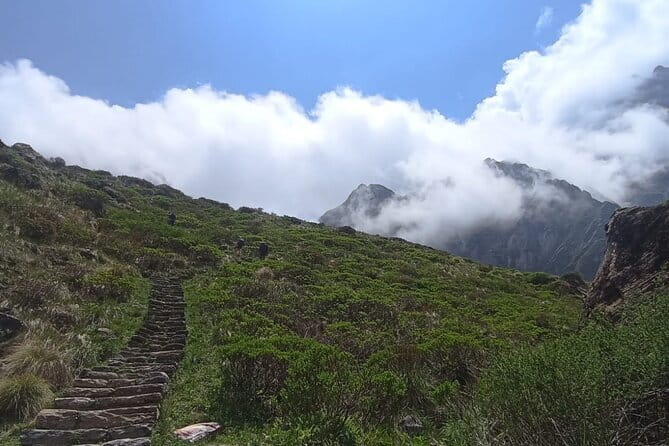
The best part of this 10-day Annapurna Base Camp trek is the variety packed into a short Himalayan trip. You move from river valleys and farming villages to rhododendron forests, Poon Hill’s sunrise, and the high bowl of Annapurna Base Camp. The route gives you a strong taste of Nepal without committing to a three-week expedition.
I like the local guide support, especially the careful help reported from guides such as Rishi and Roshan Pandey. I also like the practical value: meals, permits, porter service, two Kathmandu hotel nights, and transport assistance are included in the $700 price. The main caution is the pace. Ten days is efficient, but several walking days last six or seven hours and require moderate fitness.
In This Review
- Key points at a glance
- What the Annapurna Base Camp route gives you
- Day 1: Kathmandu to Pokhara by road or flight
- Day 2: Nayapul to Ulleri and the first real walking
- Day 3: Ulleri to Ghorepani through forest
- Day 4: Poon Hill sunrise and Tadapani
- Day 5: Tadapani to Sinuwa
- Day 6: Sinuwa to Deurali
- Day 7: Deurali to Machapuchare Base Camp and ABC
- Day 8: Returning from ABC to Sinuwa
- Day 9: Sinuwa to Jhinu, hot springs, then Pokhara
- Day 10: Pokhara to Kathmandu
- What the $700 price really covers
- Guide quality and the human side of the trek
- What to pack and how to prepare
- Who should book this trek
- Should you book the Touch The Himalaya ABC trek?
- FAQ
- Where does the Annapurna Base Camp trek start?
- How long does the trek last?
- Is this a private trek?
- What is included in the $700 price?
- Is Poon Hill part of the itinerary?
- What fitness level do I need?
Key points at a glance
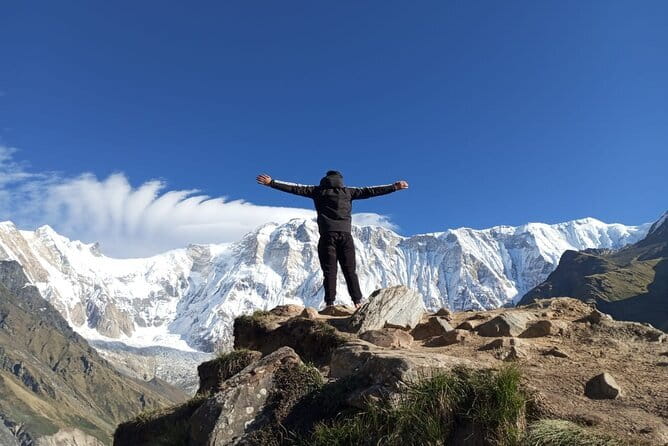
- Poon Hill sunrise: An early climb from Ghorepani adds one of Nepal’s finest mountain viewpoints before the main trek continues.
- Annapurna Base Camp in 10 days: The schedule reaches ABC through Machapuchare Base Camp, then returns by a different sequence of stops.
- Private trekking setup: Only your group participates, so the pace and daily support are more personal than on a large group departure.
- Local guides and porters: Guides including Rishi, Roshan Pandey, Madan Neupane, Moti, Arjun, and Ganesh have been associated with strong organization and personal care.
- Useful inclusions: Food, permits, guide and porter costs, a duffel bag, maps, first aid, Kathmandu lodging, and airport transfers are covered.
- A demanding short route: Expect long walking days, steep sections, altitude concerns, and simple tea-house accommodation.
What the Annapurna Base Camp route gives you
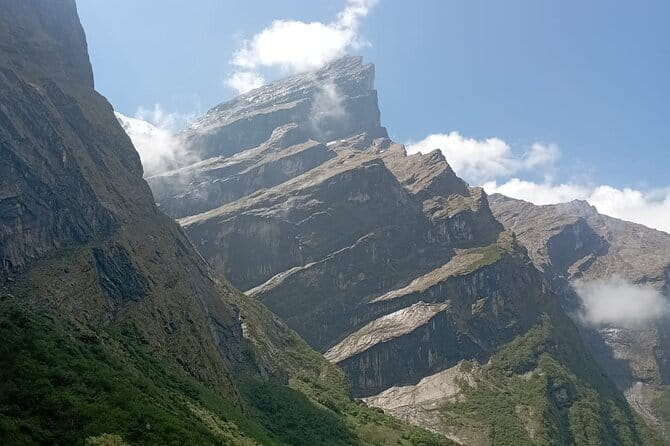
Annapurna Base Camp is a good choice if you want a serious mountain trek with a clear finish line. You begin among Nepal’s lower hills, pass through villages and forests, and gradually enter a colder, more exposed world surrounded by Himalayan peaks.
The route is not simply a march to one viewpoint. Poon Hill supplies a sunrise stop, Tadapani brings more mountain scenery, and the trail toward Deurali and ABC changes in feel as the forests thin and the ground becomes rougher. That variety keeps the trek interesting.
The itinerary is also designed for people with limited time. You spend roughly ten days on the trip, including the journeys between Kathmandu and Pokhara. This makes it easier to fit into a wider Nepal visit, though the schedule leaves less room for delays.
The private format matters. You are not being moved along with a large mixed group. Your guide can help manage food stops, baggage, walking rhythm, and any small changes that arise during the trek. That is especially useful if you are trekking alone or are new to Himalayan routes.
More Annapurna treks:
- Annapurna Circuit Trek with Tilicho Lake
★ 5.0 · 368 reviews - Annapurna base camp trek 5 Days
★ 5.0 · 252 reviews - Annapurna Base Camp Trek
★ 5.0 · 111 reviews
Day 1: Kathmandu to Pokhara by road or flight
The first major transfer takes you from Kathmandu to Pokhara. By tourist bus or car, the trip takes about seven hours and follows the Trishuli River, with views of hills, villages, and changing countryside. A flight is also offered as an alternative.
The road journey is long, but it gives you a useful look at rural Nepal before the walking begins. If you dislike extended road travel, ask about the flight option when arranging the trip. The provided schedule does not state that the flight cost is included, so confirm that detail before paying.
Pokhara is the practical base for the trek. It is also a pleasant place to spend time before entering the mountains, though this schedule treats it mainly as a transport stop.
Day 2: Nayapul to Ulleri and the first real walking
After breakfast, you drive for about an hour from Pokhara to Nayapul. From there, the trek begins toward Ulleri, following the Modi Khola River and passing through villages.
This is your introduction to the rhythm of the route: walking, stopping, eating, and gradually gaining height. The village sections let you see daily life rather than only mountain views. You also get a sense of the trail’s physical demands early, which is useful before the higher sections.
The walking time is listed at about five hours. You should still expect this day to feel more tiring than a normal city walk, particularly if you are carrying more than a day pack or are not used to hills.
Day 3: Ulleri to Ghorepani through forest

The trail from Ulleri to Ghorepani takes around six to seven hours, although the daily schedule lists approximately five hours. That difference is a reminder to treat the timings as estimates, not fixed appointments.
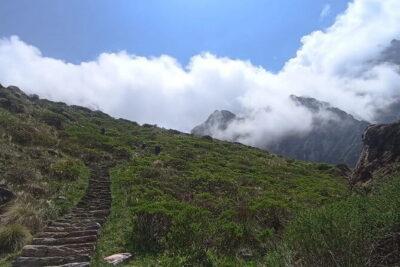
You walk through forests and open mountain country, with views toward the Annapurna range as you gain height. Ghorepani is important because it sets up the early morning visit to Poon Hill.
This day can be tough. The route gains altitude, and the steady climb comes after the previous day’s walking. Keep your pace controlled. Your guide’s job is not just to point out the path, but also to help you avoid starting too fast.
More treks starting in Kathmandu:
- Everest Base Camp Trek – 14 Days
★ 5.0 · 1,499 reviews - Everest Base Camp Trekking
★ 5.0 · 485 reviews - Nagarkot Sunrise View and Day Hiking from Kathmandu
★ 5.0 · 471 reviews - Everest Base Camp Trekking – 13 Day
★ 5.0 · 365 reviews
Day 4: Poon Hill sunrise and Tadapani
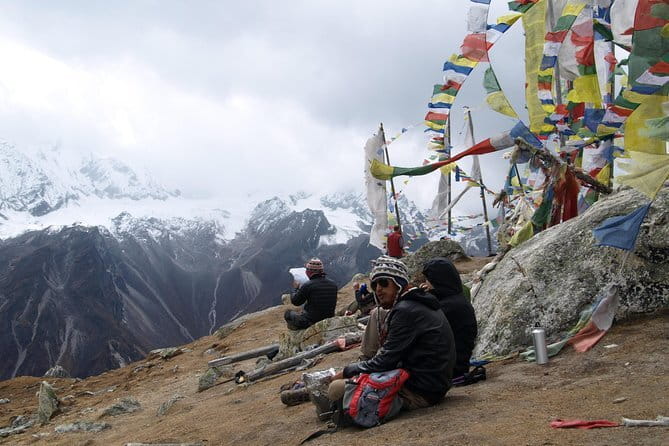
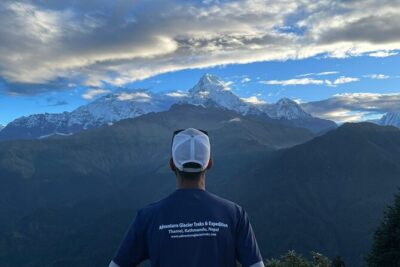
The early hike to Poon Hill is one of the strongest features of this trip. You leave before breakfast to see the sun come up over the Annapurna and Dhaulagiri ranges, then return to Ghorepani for breakfast before continuing to Tadapani.
The sunrise requires an early start and may involve cold, tired legs, but it gives you a major mountain view without adding a separate excursion. I would protect this morning in particular. Bring warm layers, water, and a headlamp if you have one, since the schedule begins in darkness.
After breakfast, you continue toward Tadapani. The day includes forest walking and mountain views, with about four to five hours listed. Tadapani is not just a place to sleep. It breaks up the route and helps the trek move from the Poon Hill section toward the Annapurna Sanctuary.
Day 5: Tadapani to Sinuwa
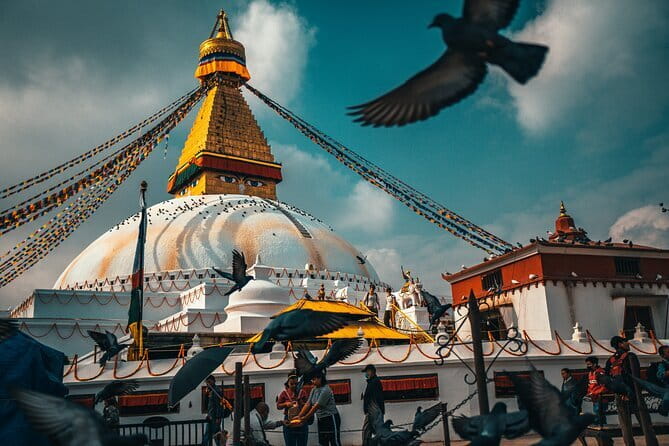
From Tadapani, you walk toward Sinuwa for roughly six to seven hours. The trail descends through forest and passes small villages, giving the day a different character from the earlier climb.
Do not assume a descending day is easy. Long downhill sections can be hard on knees, especially after several days on foot. Trekking poles may be useful, though the supplied equipment list does not specifically include them.
Sinuwa marks a useful transition point. From here, the route becomes more focused on reaching the high mountain basin. You will want to use the evening to eat well, refill water, charge devices if possible, and prepare only what you need for the next day.
Day 6: Sinuwa to Deurali
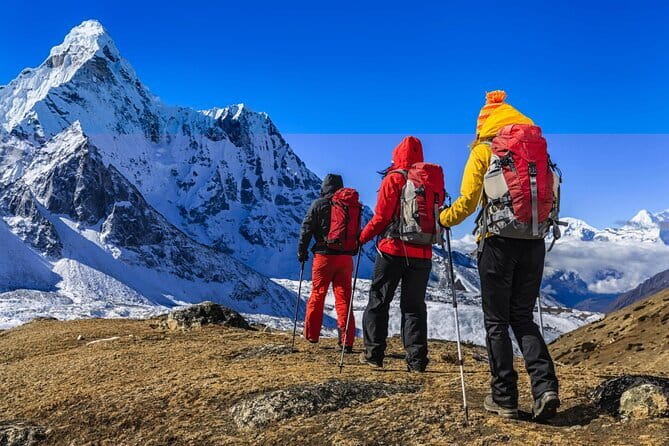
The trek from Sinuwa to Deurali takes about five to six hours. You climb through forest and cross the Khumbu Glacier according to the supplied route description, although the itinerary does not provide further details about that crossing.
As you approach Deurali, the surroundings become more rugged. This is where the journey begins to feel less like a village-to-village hill walk and more like a high mountain trek. Pay attention to your body, drink regularly, and tell your guide about headaches, nausea, unusual fatigue, or trouble sleeping.
The guide and first aid arrangements are valuable here. Your English, Hindi, or Chinese-speaking government-licensed guide is first-aid trained and carries a basic kit. That does not replace personal travel insurance or professional medical care, but it adds a sensible layer of support.
Day 7: Deurali to Machapuchare Base Camp and ABC
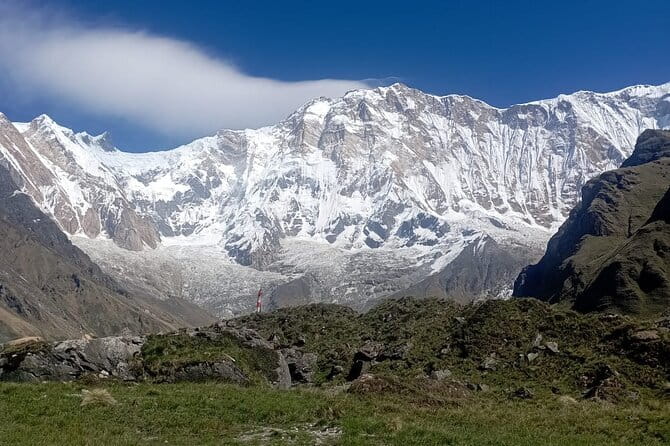
This is the main walking day. You trek from Deurali through Machapuchare Base Camp and onward to Annapurna Base Camp, taking about six to seven hours.
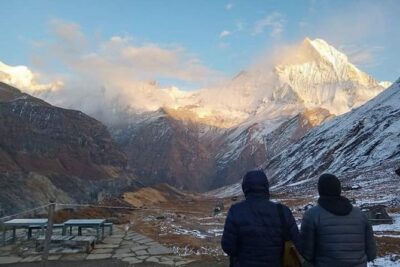
The scenery becomes more dramatic as you approach the base camp area. You are surrounded by high Himalayan peaks, with the trail leading into a broad mountain setting that feels very different from the lower forests.
The schedule does not list a separate stop duration for this day, but the overnight stay at ABC is central to the experience. Reaching the base camp is a physical achievement, especially on a compressed itinerary. The route is tough, and your pace should be steady rather than ambitious.
This is also the point where altitude deserves serious attention. The tour description says the guides manage high-altitude conditions and acclimatization, but no detailed acclimatization schedule is provided. Ask how the guide handles symptoms and what happens if someone needs to stop or descend.
Day 8: Returning from ABC to Sinuwa
After taking in the base camp views, you descend toward Sinuwa. The trek takes another six to seven hours, so reaching ABC is not the end of the physical challenge.
The return route lets you see familiar places from a new angle, but it can feel repetitive after the excitement of base camp. That is normal. The reward is that you lose altitude and move back toward more comfortable walking conditions.
This is a good day to let the porters continue handling the main baggage while you carry only what you need. The package includes porter wages, insurance, equipment, transport, food, and accommodation, along with a duffel bag that must be returned after the trek.
Day 9: Sinuwa to Jhinu, hot springs, then Pokhara
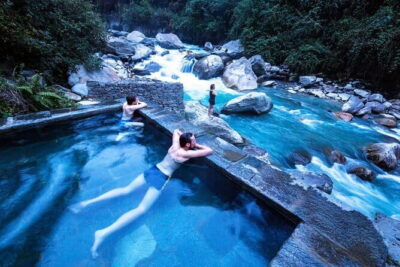
The walk from Sinuwa to Jhinu takes approximately five to six hours. After arriving, you can relax at the nearby natural hot springs before driving back to Pokhara for the evening.
Jhinu is a smart final stop. The hot springs offer a chance to rest tired legs before the road transfer, though you should not expect them to erase every ache from the trek. Bring a swimsuit and a small towel if you want to use them, since the supplied information does not confirm that these are provided.
The drive from Jhinu to Pokhara takes about one to two hours. This makes Day 9 long but satisfying: you finish the walking section, have time for the springs, and return to a city with more comfort and services.
Day 10: Pokhara to Kathmandu
The final day offers a scenic seven to eight-hour drive or a short flight back to Kathmandu. Once there, you have free time for shopping or exploring before departure.
The driving option gives you one last look at Nepal’s countryside, but it can consume most of the day. If you have an international flight soon after the trek, confirm the timing carefully and consider the flight option if available.
Airport pickup and drop-off are included, along with two Kathmandu hotel nights, one before and one after the trek. The meeting point is in Thamel, and the listed start time is 6:15 a.m.
What the $700 price really covers
At $700, this trip offers strong value if all listed inclusions apply to your booking. You receive airport transfers, two nights of Kathmandu accommodation, meals during the trek, permits, a licensed guide, porter service, a duffel bag, maps, first aid, and the costs of guide and porter food, lodging, transport, equipment, salary, and insurance.
That is a substantial bundle for a private ten-day Himalayan trip. The price is especially appealing for solo trekkers who would otherwise need to arrange permits, transport, lodging, and porters separately.
You should still clarify a few details before booking. The information says meals are included during the trek, but also says you can buy meals in tea houses. Ask which meals are covered and what purchases are extra. Confirm the exact hotel standard in Kathmandu, the transport choice between Kathmandu and Pokhara, and the number of porters assigned to your group.
Tips and personal gratitude for the guide and porter are not included. Plan for those separately. You should also budget for snacks, drinks, charging, sunglasses, water bottles, and any personal gear.
Guide quality and the human side of the trek
The strongest theme in the available feedback is personal care and organization. Rishi is specifically credited with taking good care of a solo woman, which matters if you are traveling alone and want a clear point of contact. Roshan Pandey is credited with helping a group complete the demanding ten-day schedule.
Madan Neupane is associated with trip arrangements and group handling. Arjun and Ganesh have been praised for moving baggage between camps, while Moti is described as kind and helpful on another Nepal trek. These names suggest a team with several experienced staff members, although your assigned guide may be different.
The company describes its guides as local to the Annapurna region, government licensed, first-aid trained, and able to speak English, Hindi, or Chinese. Those details matter more than a polished sales pitch. A local guide can help you understand village life, trail conditions, food, and practical customs in ways a remote organizer cannot.
What to pack and how to prepare
You need moderate physical fitness for this itinerary. The longest walking days run about six to seven hours, and the route includes climbing, descending, forests, rougher high sections, and altitude.
Keep your pack light. The company supplies a duffel bag and porter service, but you still need a small day pack with water, sun protection, a charger, personal medication, and an extra layer.
The supplied advice to carry light snacks and chocolate is practical. Long days can make a small supply of quick energy useful. Water bottles, sunglasses, and a charger are also specifically recommended.
The tour does not provide a full personal equipment list. Before departure, confirm what you need for cold conditions, rain, footwear, sleeping arrangements, and personal first aid. The guide carries a basic first-aid kit, but you should bring your own regular medication.
Who should book this trek
I would choose this trip if you want a private ABC trek with a clear schedule and considerable logistical help already arranged. It suits a solo trekker, a group of friends, or a family with moderate fitness and a willingness to walk for long periods.
It is also a good fit if you value local support more than a luxury experience. The itinerary uses tea houses and simple mountain accommodation, and the price focuses on getting you safely along the trail rather than adding comfort extras.
I would hesitate if you need a slow acclimatization program, dislike early mornings, or want generous rest days. Ten days is a tight schedule for a route with demanding walking and altitude changes. Ask for a slower version if your fitness or experience makes that wiser.
Cancellation is flexible only up to three full days before the local start time. Cancel earlier for a full refund. Cancellations or changes inside that window are not refunded or accepted.
Should you book the Touch The Himalaya ABC trek?
Book it if you want an efficient, private Annapurna Base Camp trek with Poon Hill sunrise, meals, permits, porters, Kathmandu lodging, and strong guide support included for $700.
Before committing, confirm the transport between Kathmandu and Pokhara, the exact meal arrangements, accommodation details, and altitude plan. If those answers suit you, this is a practical way to reach ABC without handling the complicated parts yourself.
Skip it if you want a slow-paced trek with several spare days. For a fit trekker who accepts long walking days and simple mountain lodges, the combination of scenery, local assistance, and included services makes this a compelling Nepal adventure.
FAQ
Where does the Annapurna Base Camp trek start?
The listed meeting point is in Thamel, Kathmandu, Nepal. The activity begins at 6:15 a.m.
How long does the trek last?
The full experience lasts approximately 10 days, including travel between Kathmandu and Pokhara and the trekking route to Annapurna Base Camp.
Is this a private trek?
Yes. Only your group participates in the activity.
What is included in the $700 price?
The package includes airport pickup and drop-off, two Kathmandu hotel nights, breakfast, lunch, and dinner during the trek, trekking permits and fees, a licensed guide, porter costs, a duffel bag, trekking maps, and a basic first-aid kit.
Is Poon Hill part of the itinerary?
Yes. You hike to Poon Hill early on Day 4 for sunrise views of the Annapurna and Dhaulagiri mountain ranges before continuing to Tadapani.
What fitness level do I need?
You should have a moderate level of physical fitness. Several trekking days take approximately six to seven hours and include ascents, descents, forest trails, and higher-altitude sections.
Recently added around Kathmandu
- Kathmandu : Swambhunath & Durbar Square Guided Half Day Tour★ 3.3 · 3 reviews
- Private Day Tour in Kathmandu Valley Rim with Bhaktapur Sightseeing★ 5.0 · 3 reviews
- From Kathmandu / Pokhara / Chitwan: River Rafting – 1 Day★ 4.6 · 3 reviews
- Nepali Cooking training & Cultural Homestay Experience★ 5.0 · 3 reviews
- Private 3-Hour Nagarkot Sunset Tour from Kathmandu★ 3.5 · 3 reviews
- From Kathmandu: Everest Base Camp Landing Helicopter Tour★ 5.0 · 3 reviews
- 4 UNESSCO World heritage sites of Kathmandu-private tour★ 5.0 · 3 reviews
- From Kathmandu Budget: 15 Day Everest Base Camp Trek★ 5.0 · 3 reviews
Annapurna Treks, compared.
Kathmandu to Annapurna Base Camp (ABC) 5-Day Trek
Read our review →
Browse the lists this tour appears in