
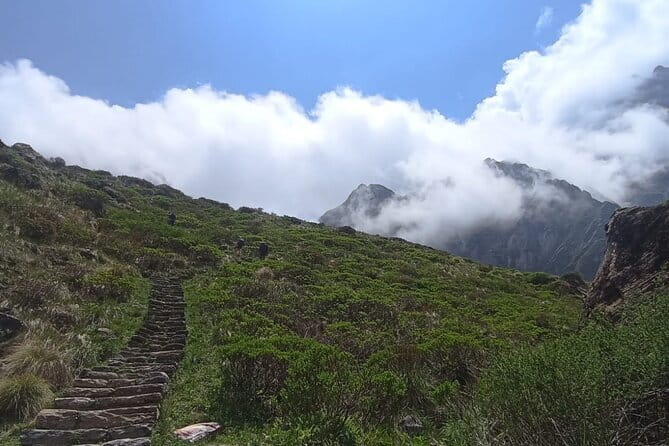
Reviewed · ANNAPURNA TREKS
Annapurna Base Camp Trek
Annapurna Base Camp is the prize here: a high mountain bowl surrounded by some of Nepal’s most famous peaks. This 11-day route leads you from Kathmandu through Pokhara, Ghandruk, bamboo forests, Deurali, and Machhapuchhre Base Camp before reaching Annapurna Base Camp at 4,130 meters.
I like the practical package: permits, meals, guide, porter, sleeping bag, and transfers are bundled together. I also like the route’s variety, from Gurung villages and rhododendron woods to hot springs at Jhinu Danda. The main caution is the word luxury. This is a well-supported trek with 3-star city hotels and teahouses, not a polished resort journey, and hot showers, bottled water, insurance, airfare, and tips cost extra.
In This Review
- Key points to know before booking
- What the Annapurna route feels like
- Day 1: Airport pickup and a quiet start in Kathmandu
- Day 2: The long road from Kathmandu to Pokhara
- Day 3: Nayapul to Ghandruk and the first mountain village
- Day 4: The hard climb toward Sinuwa
- Day 5: Bamboo forest to Deurali
- Day 6: The high point at Annapurna Base Camp
- Day 7: Leaving base camp and descending to Bamboo
- Day 8: Forest paths and Jhinu Danda
- Day 9: A short final walk back to Pokhara
- Day 10: Eight hours back to Kathmandu
- Day 11: Airport transfer and departure
- What the $240 price really covers
- Guide support, porters, and group size
- Fitness, weather, and what to pack
- Who should book this trek
- Should you book the Annapurna Base Camp Trek?
- FAQ
- How long is the Annapurna Base Camp Trek?
- What is the highest altitude reached?
- Are meals included?
- Is transportation included?
- Is a guide and porter included?
- What is not included in the price?
Key points to know before booking
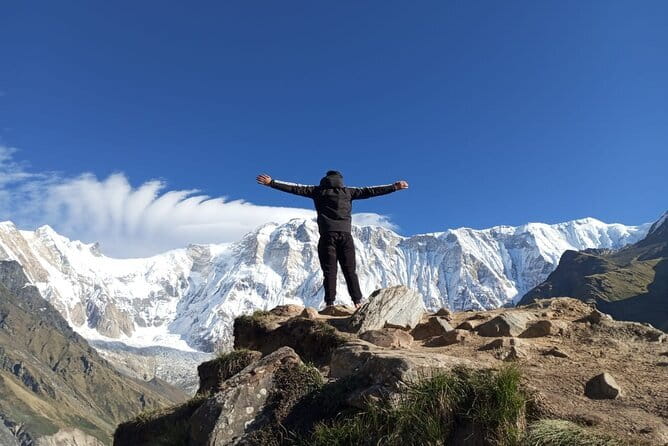
- Annapurna Base Camp reaches 4,130 meters: You need moderate fitness and should take the long uphill days seriously.
- The package is highly supported: An English-speaking licensed guide, one porter for every two trekkers, permits, meals, and trekking gear are included.
- Ghandruk adds cultural interest: The route passes through a traditional Gurung village rather than rushing straight into the high country.
- Pokhara breaks up the trek: You spend time in Nepal’s lake city before and after the mountain section.
- The return route includes Jhinu Danda: This is the natural place in the program to look forward to a hot spring stop, though the bathing fee or related personal costs are not listed as included.
- The price needs careful checking: At $240 per person, confirm the date, group size, hotel standard, transport class, and exact meaning of luxury before paying.
What the Annapurna route feels like
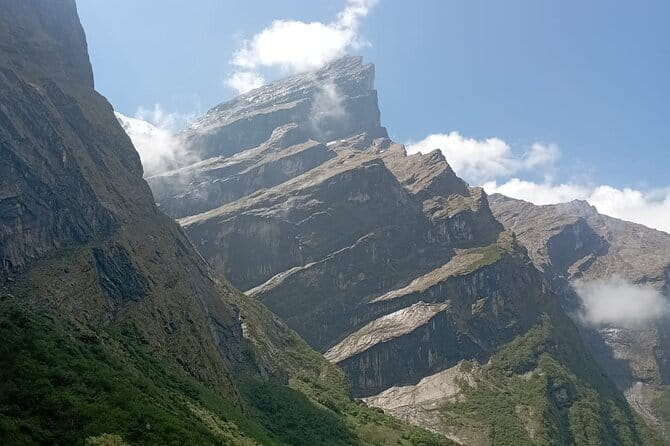
I like Annapurna Base Camp because it gives you a clear mountain goal without requiring a technical climb. You walk on established trekking paths, pass through settlements, and gain altitude over several days. The scenery changes often enough to keep the walk interesting.
The route is not easy. Days 4 through 7 list six to seven hours of trekking, and the path repeatedly climbs and drops. The highest night is at Annapurna Base Camp, where cold, altitude, and basic lodge conditions matter more than the brochure language.
The program is described as both 11 and 12 days. The day-by-day schedule contains 11 days, beginning with airport pickup and ending with airport transfer. I would ask Mount Elegance Treks and Expedition to confirm the exact duration before booking, especially if your flights and hotel nights depend on it.
More Annapurna treks:
- Annapurna Circuit Trek with Tilicho Lake
★ 5.0 · 368 reviews - Annapurna base camp trek 5 Days
★ 5.0 · 252 reviews - Annapurna Base Camp Trek
★ 5.0 · 111 reviews
Day 1: Airport pickup and a quiet start in Kathmandu
Your trip begins at Tribhuvan International Airport, where a representative meets you and takes you to your Kathmandu hotel. The transfer is listed as 30 to 45 minutes, though road conditions can affect that timing.
The first day is mainly for arrival and settling in. A breakfast is listed, but since arrival times vary, you should confirm which meal applies to your booking. The package provides a 3-star hotel in Kathmandu, with breakfast included.
This is a sensible first night rather than an overloaded sightseeing day. You have time to adjust to the city, meet the trekking team, and make sure your kit is ready. The program does not list major Kathmandu sightseeing, so do not book this trek expecting a city tour.
Day 2: The long road from Kathmandu to Pokhara
After breakfast, you travel about 200 kilometers to Pokhara by tourist bus. The stated drive is seven to eight hours, so this is a full transport day, not a quick hop between cities.
The road gives you an early look at rural Nepal, but the ride may feel tiring. If you prefer speed and comfort, ask whether a domestic flight or private vehicle can be arranged, though neither is included in the stated package.
Pokhara sits at about 822 meters, far lower than Kathmandu and far below the trekking route. That makes it a useful staging point before the serious walking begins. Your Pokhara hotel is included, with breakfast, while lunch and dinner there are your responsibility.
Day 3: Nayapul to Ghandruk and the first mountain village
The mountain section starts with a drive of about 41 kilometers to Nayapul. The vehicle ride takes two to three hours, followed by roughly five kilometers of walking over three to four hours.
Ghandruk, at 1,940 meters, is one of the more appealing overnight stops. It is a traditional Gurung village with mountain views and a strong sense of place. The day is short enough to introduce you to the pace of trekking without immediately pushing you into the highest elevations.
Breakfast, lunch, and dinner are included from this point during the trek. Accommodation is in the best available twin-sharing teahouse rooms. That usually means a clean, functional place to sleep, but you should not expect the privacy, heating, or bathroom standards of a city hotel.
More treks starting in Kathmandu:
- Everest Base Camp Trek – 14 Days
★ 5.0 · 1,499 reviews - Everest Base Camp Trekking
★ 5.0 · 485 reviews - Nagarkot Sunrise View and Day Hiking from Kathmandu
★ 5.0 · 471 reviews - Everest Base Camp Trekking – 13 Day
★ 5.0 · 365 reviews
Day 4: The hard climb toward Sinuwa
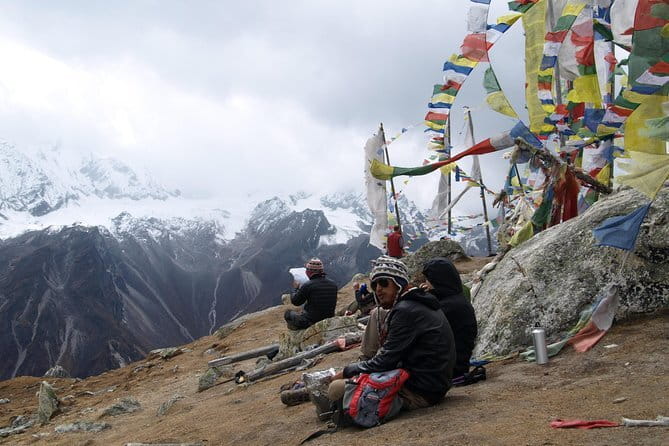
Leaving Ghandruk, you descend toward the Kimrong Khola and then climb toward Sinuwa. The route covers about 12 kilometers and takes six to seven hours.
This is a good example of why distance alone does not describe a Himalayan walking day. The trail can lose elevation and then ask you to regain it, which is often harder on the legs than a steady climb.
Sinuwa sits at 2,340 meters. You are still below the highest part of the route, but the steady gain begins here. Your guide should help set a pace that leaves energy for the days ahead. The included porter service is useful: one porter is assigned for every two trekkers, so you carry only a lighter day pack, within the baggage limits agreed with the operator.
Day 5: Bamboo forest to Deurali
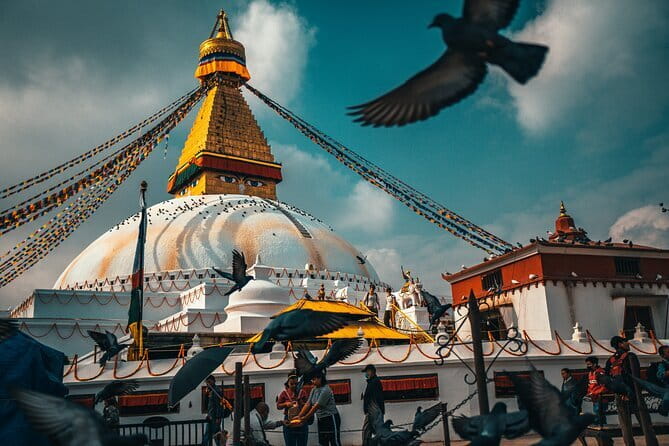
The fifth day covers about 10 kilometers in six to seven hours. The trail passes through bamboo forest and climbs toward Deurali, at 3,200 meters.
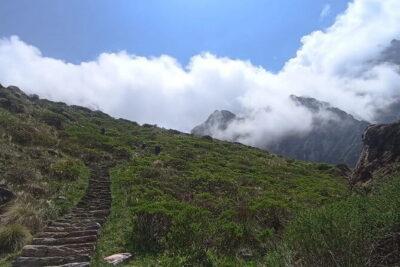
The forest provides shade and a change of scenery, but it also marks the start of a more serious altitude section. You may find the path damp or uneven in places, and the repeated uphill walking calls for sturdy footwear and patience.
This is one of the days when the guide’s role matters. The package includes an experienced, English-speaking, government-licensed trekking guide, along with a first-aid kit. That does not replace travel insurance or rescue insurance, both of which you must arrange yourself.
Day 6: The high point at Annapurna Base Camp
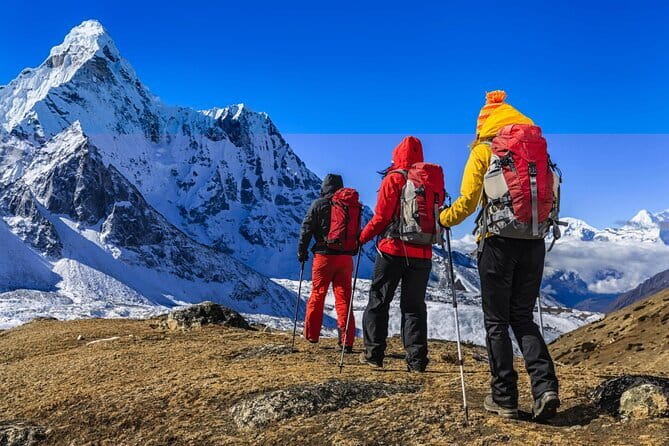
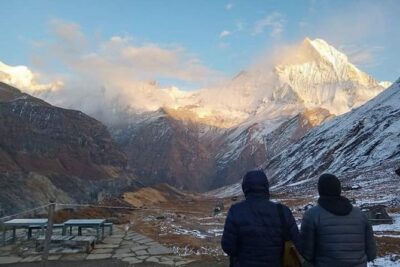
This is the main event. You walk about nine kilometers over six to seven hours and finish at Annapurna Base Camp, 4,130 meters above sea level.
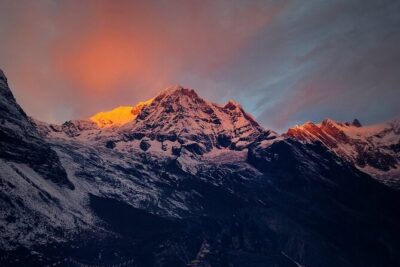
The route takes you higher through the mountain corridor toward Machhapuchhre Base Camp before continuing to Annapurna Base Camp. The views of Annapurna and Machhapuchhre are the reason to accept the long days and basic lodges. At the base camp, the surrounding peaks create the enclosed high-altitude setting that makes this trek so memorable.
Altitude is the practical issue. Headaches, nausea, unusual tiredness, and poor sleep can affect you even when you are fit. The program gives you no separate acclimatization day at altitude, so listen closely to your guide and do not treat reaching the camp as a contest.
Full board meals are included during the trekking section, with tea and coffee. Bottled water and other drinks are not included. Carrying a refillable bottle and budgeting for water is sensible, but follow local guidance on safe drinking water.
Day 7: Leaving base camp and descending to Bamboo
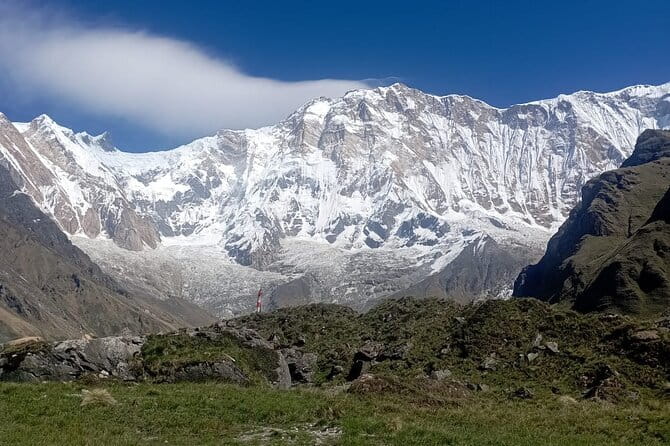
After time at Annapurna Base Camp, you retrace the route for about 13 kilometers and spend six to seven hours descending to Bamboo, at 2,310 meters.
The descent is welcome after the high night, but it is not effortless. Long downhill stretches can be hard on knees and ankles, especially after sleeping poorly at altitude. Trekking poles may help, though they are not listed among the supplied equipment.
The return route gives you a second look at the scenery from a different angle. Weather can change quickly in the mountains, so keep rain protection and warm layers easy to reach rather than buried in your duffel.
Day 8: Forest paths and Jhinu Danda
From Bamboo, the route continues for about 11 kilometers over five to six hours to Jhinu Danda, at 1,780 meters.
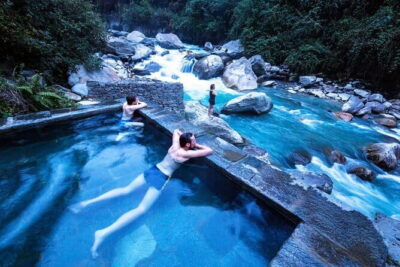
This is a pleasant change after the high country. The path returns to warmer, greener surroundings, with forest and village scenery replacing the stark feel of base camp. Jhinu Danda is also known for hot springs, making it a natural recovery point after several strenuous days.
The package does not clearly state that hot spring entry is included. I would carry some small personal funds and ask the operator what is covered. Hot showers during the trek are specifically excluded, so do not assume that a hot spring visit means hotel-style bathing facilities.
Day 9: A short final walk back to Pokhara
The last walking day covers about six kilometers, followed by a two to three-hour drive back to Pokhara. The route descends toward Siwa or Ghandruk Phedi, depending on the exact road and trail arrangement.
This shorter day gives your legs a gentler finish. It also helps bridge the gap between teahouse trekking and city accommodation. Back in Pokhara, you return to the comfort of a 3-star hotel, with breakfast included.
Lunch is listed for this day, but dinner in Pokhara is not included. That is worth remembering when comparing the price with other packages. The itinerary allows some time to recover, but it does not promise a scheduled sightseeing program in Pokhara.
Day 10: Eight hours back to Kathmandu
After breakfast, you take the tourist bus for the 200-kilometer return journey to Kathmandu. The stated duration is seven to eight hours.
This is another long road day. It keeps the package price down compared with domestic flights, but it leaves less time for last-minute shopping or city sightseeing. Dinner in Kathmandu is included, and the itinerary lists a farewell dinner at the end of the trek.
The return hotel night is useful if your international flight leaves the next day. If your departure is tight, ask the operator to confirm the airport transfer time and whether the final hotel night is included under the 11-day or 12-day version of the plan.
Day 11: Airport transfer and departure
The final day includes a 30 to 45-minute transfer to Tribhuvan International Airport. Breakfast is listed.
This is a simple ending, but it is good to have the transfer arranged after a demanding trek. Confirm the pickup time with the local representative, particularly if traffic is heavy or your flight leaves early.
What the $240 price really covers
The $240 per-person price looks low for a package described as luxury. Its value comes from the number of practical costs bundled together:
- Kathmandu and Pokhara hotel accommodation with breakfast
- Teahouse accommodation during the trek
- Breakfast, lunch, and dinner during the trekking days
- ACAP and TIMS permits
- Airport transfers
- Tourist-bus transport between Kathmandu and Pokhara
- An English-speaking licensed guide
- One porter for every two trekkers
- A duffel bag and sleeping bag
- First-aid kit and government taxes
That is a useful set of inclusions. You do not have to arrange permits, find a guide, or negotiate separate transport once you arrive.
Still, the price does not cover international airfare, the Nepal entry visa, insurance, rescue insurance, personal expenses, alcohol, bottled water, beverages, hot showers, lunches and dinners in Kathmandu and Pokhara, or tips for the trekking staff and driver.
I would also clarify the accommodation wording. City hotels are listed as 3-star, while the mountain nights are in the best available twin-sharing teahouses. That is comfortable support for a trek, but it is not luxury in the usual hotel sense. Ask about room arrangements, bathrooms, heating, luggage weight, and the exact food plan before booking.
Guide support, porters, and group size
The experience is described as a private tour, with only your own group participating. That gives you more control over pace and breaks than a large public departure. It also makes the porter arrangement easier to understand: one porter serves two trekkers.
The guide is English-speaking and government licensed. The information supplied does not name individual guides, so you should request the guide’s name and contact details before departure if that matters to you.
The strongest praise attached to this experience focuses on organization, warm treatment, and helpful guides and porters. That matches the structure of the package, which removes several common sources of stress. Still, the quality of a trek depends heavily on the actual guide assigned, so ask how emergencies, illness, weather delays, and itinerary changes are handled.
Tips are not included. Budget separately for the guide, porters, and driver, and ask the company for its current tipping guidance.
Fitness, weather, and what to pack
You need a moderate level of physical fitness. The main challenge is not one dramatic climb, but several consecutive days of six to seven hours, with steep ascents, descents, uneven paths, and altitude.
Pack for changing conditions. A practical kit should include warm layers, rain protection, broken-in walking shoes or boots, sun protection, a refillable water bottle, personal medication, and a small day pack. The company supplies a duffel bag and sleeping bag, both of which must be returned after the trek.
Weather matters. The operator can cancel if conditions are poor or if the minimum number of participants is not reached, offering another date, another experience, or a full refund. You can cancel for a full refund up to 24 hours before the start time, but changes or cancellations inside that window are not accepted.
Who should book this trek
I would recommend this trip to you if you want a guided Himalayan trek with the main logistics handled for you. It suits someone who values a local guide, porter support, included meals, and a defined route more than complete independence.
It is also a good fit if Annapurna Base Camp is your priority and you want to add Pokhara and Ghandruk without planning every transfer yourself. The private format may appeal to couples, families with suitable fitness, and small groups of friends.
I would hesitate if you want a high-end lodge holiday, private bathrooms, hot showers each night, or a flexible sightseeing schedule. I would also hesitate if you dislike long bus journeys or have little experience with sustained uphill walking.
Should you book the Annapurna Base Camp Trek?
Book it if you want a straightforward, supported route to one of Nepal’s best-known base camps and you are comfortable with teahouse conditions. The included permits, food, guide, porter, equipment, and transfers give the $240 price real practical value, provided the advertised inclusions are confirmed.
Before paying, clarify the 11-day versus 12-day duration, the hotel and teahouse standards, porter baggage limits, transport arrangements, hot spring costs, and what luxury means in this package. With those points settled, Mount Elegance Treks and Expedition offers a sensible way to experience Ghandruk, Machhapuchhre, Annapurna Base Camp, and Jhinu Danda without managing the trip alone.
FAQ
How long is the Annapurna Base Camp Trek?
The detailed schedule covers 11 days, from airport pickup in Kathmandu through the final airport transfer. The general description refers to 12 days, so confirm the exact duration with Mount Elegance Treks and Expedition before booking.
What is the highest altitude reached?
The highest point is Annapurna Base Camp at 4,130 meters, or about 13,550 feet.
Are meals included?
Breakfast is included at the Kathmandu and Pokhara hotels. During the trek, breakfast, lunch, and dinner are included with tea and coffee. Lunch and dinner in Kathmandu and Pokhara are not included.
Is transportation included?
Airport transfers in Kathmandu and tourist-bus transport between Kathmandu and Pokhara are included. The itinerary also includes road transfers between the trailhead areas and trekking points described in the schedule.
Is a guide and porter included?
Yes. The package includes an experienced, English-speaking, government-licensed trekking guide and one porter for every two trekkers.
What is not included in the price?
International airfare, the Nepal entry visa, travel and rescue insurance, personal expenses, alcoholic drinks, bottled water, beverages, hot showers during the trek, meals not listed as included, and tips for the guide, porters, and driver are excluded.
Recently added around Kathmandu
- Kathmandu : Swambhunath & Durbar Square Guided Half Day Tour★ 3.3 · 3 reviews
- Private Day Tour in Kathmandu Valley Rim with Bhaktapur Sightseeing★ 5.0 · 3 reviews
- From Kathmandu / Pokhara / Chitwan: River Rafting – 1 Day★ 4.6 · 3 reviews
- Nepali Cooking training & Cultural Homestay Experience★ 5.0 · 3 reviews
- Private 3-Hour Nagarkot Sunset Tour from Kathmandu★ 3.5 · 3 reviews
- From Kathmandu: Everest Base Camp Landing Helicopter Tour★ 5.0 · 3 reviews
- 4 UNESSCO World heritage sites of Kathmandu-private tour★ 5.0 · 3 reviews
- From Kathmandu Budget: 15 Day Everest Base Camp Trek★ 5.0 · 3 reviews
Annapurna Treks, compared.
Kathmandu to Annapurna Base Camp (ABC) 5-Day Trek
Read our review →
Browse the lists this tour appears in