
Reviewed · ANNAPURNA TREKS
Annapurna Circuit Trek
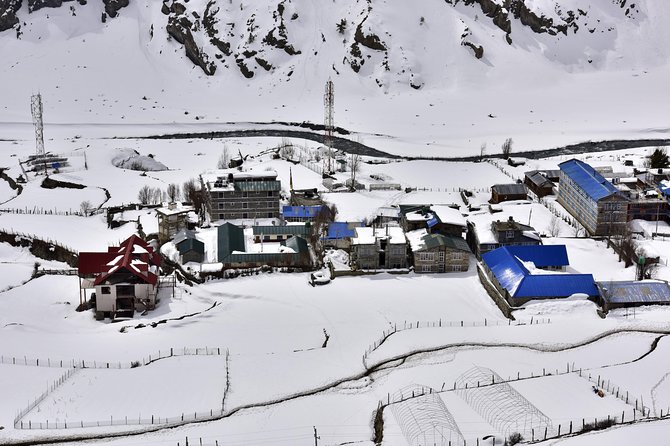
The great draw here is the Annapurna Circuit in compressed form: warm river valleys, pine forests, high mountain villages, Buddhist prayer flags, and the demanding crossing of Thorong La at 5,416 meters. You move from Kathmandu to the mountains quickly, then return through Muktinath and Pokhara.
I like two things right away. First, the package includes the costly practical pieces: airport transfers, buses and jeeps, a licensed guide, tea house lodging, meals, permits, a sleeping bag, down jacket, and duffle bag. Second, the acclimatization day in Manang gives you a needed pause before the high pass. The main caution is the pace. Long drives and strenuous walking make this a better fit for someone with good moderate fitness than for a casual hiker.
In This Review
- Key points to know before booking
- Why this short Annapurna route works
- Day 1: Kathmandu airport welcome and briefing
- Day 2: The long road to Besisahar
- Day 3: Jeep road and mountain scenery to Chame
- Day 4: Walking from Chame toward Manang
- Day 5: Pisang and the Manang Valley
- Day 6: Acclimatization in Manang
- Day 7: High-country walking to Yak Kharka
- Day 8 and Day 9: Thorong Phedi, Thorong La, and Muktinath
- Day 10: Muktinath to Pokhara
- Day 11: Return to Kathmandu
- Day 12: Airport departure
- What the $975 package covers
- Guide support and the private group format
- Who should book this trek?
- Should you book the Annapurna Circuit Trek?
- FAQ
- How long is the Annapurna Circuit Trek?
- What is the highest point of the trek?
- Is an acclimatization day included?
- Can I take a jeep all the way to Manang?
- What meals are included?
- Is trekking equipment provided?
- What happens if the weather cancels the trip?
Key points to know before booking
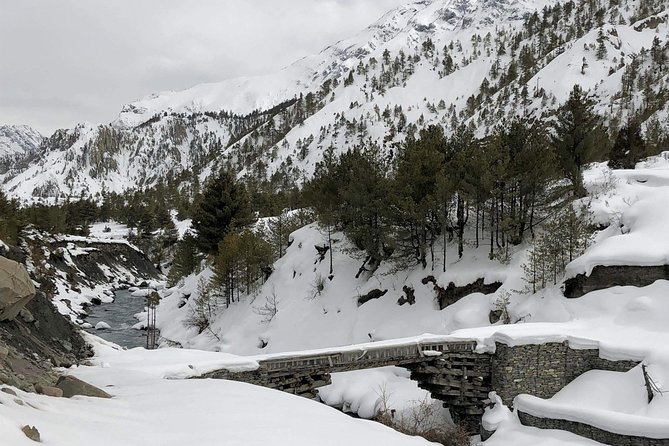
- Thorong La reaches 5,416 meters: The pass is the hardest and highest point, with an early start and a long day.
- Manang gets an acclimatization day: You can rest or hike to Gangapurna Lake before moving higher.
- The route uses road transport: Jeeps and buses shorten the classic circuit, but some rides may last many hours on rough roads.
- The package is well equipped: Meals, tea house beds, permits, guide service, airport transfers, and several pieces of trekking gear are covered.
- Past guides include Shanta, Buddhi Tamang, Pawan, Anjan, Veer, Indaco, and Anos Tamang: Guide quality is a major part of the experience.
- The advertised timing needs clarification: The trip is described as both 10 days and approximately 12 days, while the daily plan runs from Day 1 through Day 12.
Why this short Annapurna route works
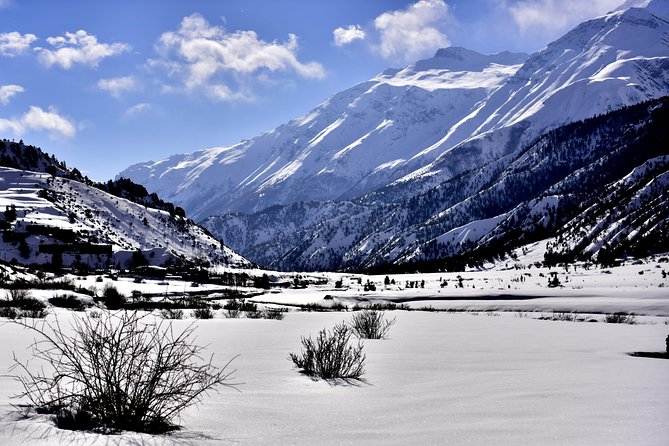
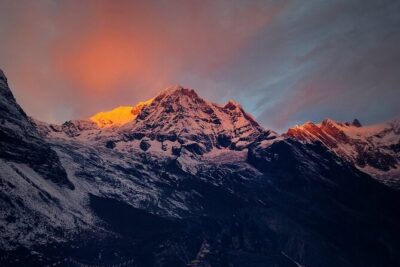
The Annapurna Circuit is famous because it changes character every few days. You begin around lower, warmer hills and river valleys, pass through pine forests, reach the dry high country around Manang, cross one of Nepal’s great mountain passes, and finish near the pilgrimage site of Muktinath.
This version saves time by using the road from Kathmandu to Besisahar, then onward toward Chame and Manang. That makes the trip possible for people who cannot spare the two or three weeks often associated with a longer circuit. It also means you do not get the same amount of walking as on a slower itinerary.
That tradeoff matters. The road gives you access to the high country, but it also creates long vehicle days. The Besisahar drive is listed at about 12 hours, the Chame drive at another 12 hours, and later journeys to Pokhara and Kathmandu are also listed at roughly 14 hours. These are not small transfers. You should be ready for tiring rides, changing road conditions, and less time on foot.
The price is $975 per person. For a private trip, that is a useful package if you would otherwise need to arrange a guide, transport, permits, lodging, meals, and gear separately. It is not an all-inclusive holiday. You still pay for travel insurance, bottled water, beer, soft drinks, laundry, desserts, and tips for the trekking crew.
More Annapurna treks:
- Annapurna Circuit Trek with Tilicho Lake
★ 5.0 · 368 reviews - Annapurna base camp trek 5 Days
★ 5.0 · 252 reviews - Annapurna Base Camp Trek
★ 5.0 · 111 reviews
Day 1: Kathmandu airport welcome and briefing
Your trip begins at Tribhuvan International Airport, where the company provides a pickup and transfer to your hotel. After check-in, you attend a group briefing about the trek and practical matters.
This first day is simple but useful. Kathmandu gives you time to settle in before the road journey begins, and the briefing lets you ask about the walking schedule, equipment, meals, and high-altitude plans. Two nights in Kathmandu with breakfast are included, one at the beginning and one at the end of the trip.
Past departures have used guides with names including Shanta, Buddhi Tamang, Anjan, Veer, Anos Tamang, Indaco, Pawan, and Suman. The specific guide for your departure should be confirmed before you travel. That matters because the guide is not just there to show the route. On a compressed trek, you need someone who keeps an eye on timing, rest, and how you are handling the altitude.
Day 2: The long road to Besisahar
The drive leaves the Kathmandu Valley and heads toward Besisahar in the Lamjung area. The route moves into lower, warmer country, with villages and views of snowcapped mountains along the way.
Besisahar is the traditional gateway for the Annapurna Circuit. Here, the real transition begins from Nepal’s road network into the trekking region. The attraction of this day is the changing scenery outside the window, not a major walking stop.
The drawback is clear: about 12 hours in a vehicle is a full day. Bring water and keep your expectations realistic. Since mineral water is not included, you will need to buy it yourself. The tour includes ground transport, but it does not promise a short or smooth ride.
Day 3: Jeep road and mountain scenery to Chame
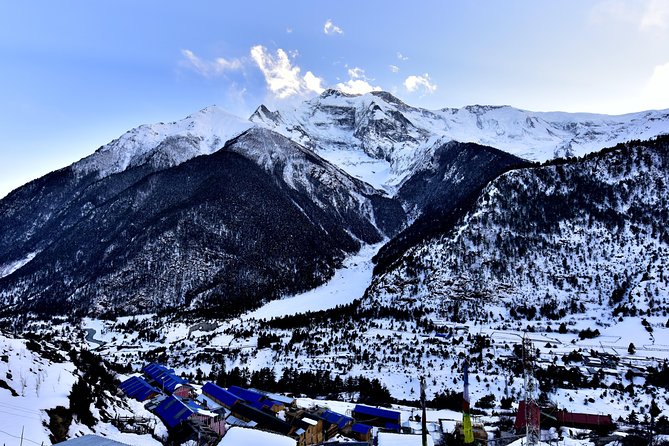
After breakfast, you continue toward Chame, the headquarters of Manang district. The road is unpaved, but the route brings pine forests, varied terrain, and views of traditional villages.
Chame is where the journey begins to feel properly alpine. You are moving closer to the mountains, and the road provides access that once required considerably more walking. The vehicle transfer is practical, especially for a 12-day schedule.
Still, a rough road can be tiring in its own way. If you prefer a quiet walking holiday with few vehicle sections, this shortened route may not satisfy you. If your priority is seeing the high Annapurna country within limited vacation time, the road is the reason the itinerary works.
More treks starting in Kathmandu:
- Everest Base Camp Trek – 14 Days
★ 5.0 · 1,499 reviews - Everest Base Camp Trekking
★ 5.0 · 485 reviews - Nagarkot Sunrise View and Day Hiking from Kathmandu
★ 5.0 · 471 reviews - Everest Base Camp Trekking – 13 Day
★ 5.0 · 365 reviews
Day 4: Walking from Chame toward Manang
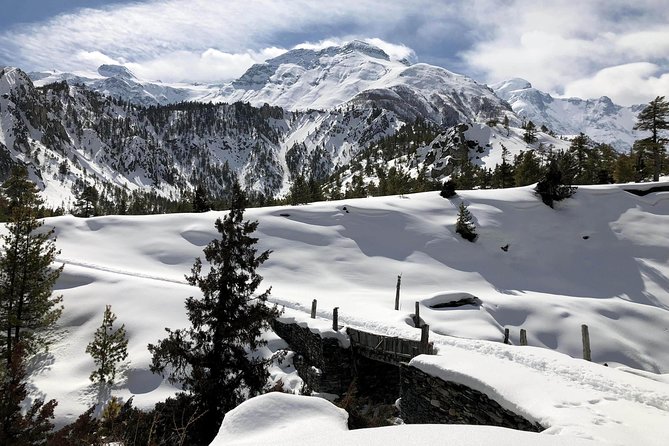
From Chame, the route turns to walking. You follow the Marsyangdi River upstream through alpine forest and toward Bhratang village. The trail climbs among pine trees before continuing toward the Manang Valley.
This is one of the best transitions on the trip. The river, forest, mountain views, and old villages give you a sense of moving steadily into a different world. The itinerary lists a very long day, about 13 hours, though the exact walking and driving pattern should be confirmed with the operator.
The altitude begins to matter here. You are no longer simply sightseeing from a vehicle. Walk slowly, drink regularly, and tell your guide if you develop a headache, nausea, unusual fatigue, or breathing trouble. The tour information specifically warns that taking a jeep all the way to Manang can raise the risk of altitude sickness. The safer approach is to avoid rushing upward.
Day 5: Pisang and the Manang Valley
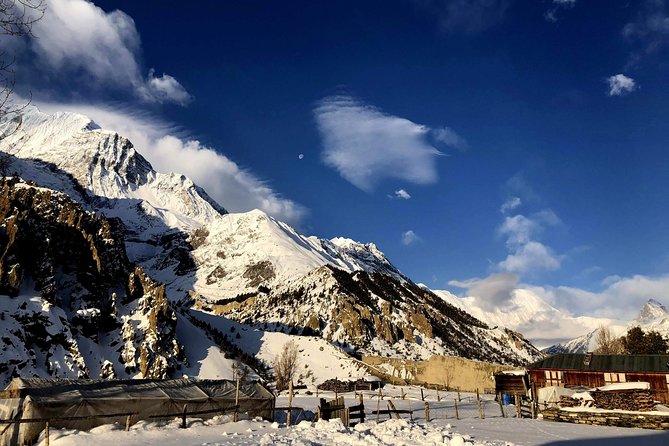
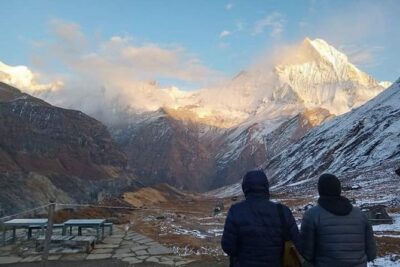
The route continues through the Manang Valley, with Pisang as a key stop. The village faces mountain views, and the trail gains height gradually. Short uphill sections bring views of Annapurna II, Annapurna III, and Gangapurna.
This gradual change in altitude is valuable. You are gaining height while still walking through inhabited country rather than jumping straight into the high pass zone. The day is again listed at about 13 hours, so you should not mistake the gentle altitude gain for an easy schedule.
The Manang Valley is also where the cultural side of the trek becomes stronger. You pass villages shaped by mountain life, Buddhist traditions, and the need to live in a dry, high environment. The route is not only about reaching Thorong La. The settlements along the way give the crossing its human scale.
Day 6: Acclimatization in Manang
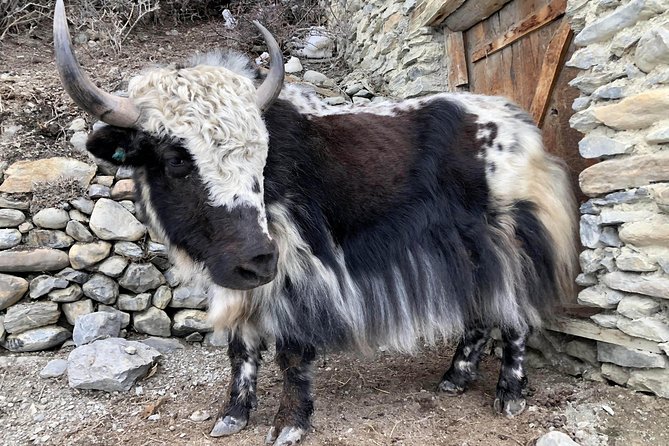
You spend a full day in Manang before heading higher. This is one of the smartest parts of the plan. You can rest, explore the village, or take the recommended hike to Gangapurna Lake.
Gangapurna Lake is a strong choice because it gives you something worthwhile to do without turning the rest day into another exhausting stage. The lake sits in the Manang Valley beneath dramatic mountain scenery, and the walk helps your body adjust to the rising altitude.
Do not treat this day as optional in spirit, even if you feel fine. Altitude sickness can appear after you have already climbed higher, and the next sections include Yak Kharka, Thorong Phedi, and the pass. A slower day in Manang is more useful than trying to shorten the trip again with a jeep.
Day 7: High-country walking to Yak Kharka
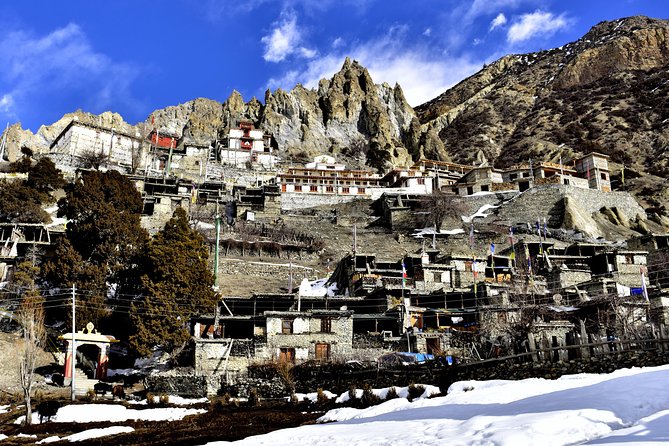
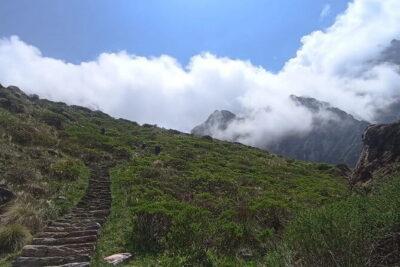
After Manang, you walk to Yak Kharka. The route crosses small streams and follows a high-altitude setting with views toward Gangapurna and the Annapurna range.
This is a quieter section of the trek. Villages become smaller, trees become less prominent, and the route feels more exposed. The schedule lists about 14 hours, which makes this another demanding day even before the pass crossing.
Yak Kharka is important because it positions you for the next stage. You are staying high, but not yet at Thorong La. That staging reduces the temptation to make one enormous climb from Manang. Your guide should set a steady pace and allow enough time for rest, especially if anyone in the group is struggling.
Day 8 and Day 9: Thorong Phedi, Thorong La, and Muktinath
The approach to Thorong La follows a bridge and the Jarjung River before climbing to Thorong Phedi. You stop there for a short rest, then tackle the final uphill section toward the pass.
The plan describes the crossing as an early-morning effort, with the highest point reached at 5,416 meters. Thorong La is marked by Buddhist prayer flags and offers wide mountain views. It is the defining achievement of the circuit, but it is not a casual photo stop. The high altitude, cold conditions, steep climb, and long day make this the point where fitness and acclimatization matter most.
The next stage continues down toward Muktinath Temple. Muktinath is an important pilgrimage site, and arriving there gives the trek a strong cultural finish as well as a change in scenery. The descent also brings relief after the pass, though the day remains listed at about 14 hours.
There is a small timing issue in the supplied schedule: Day 8 is labeled Thorong La Pass, while Day 9 describes the actual climb to Thorong La and then Muktinath. The overall plan is still clear, but ask for the final day-by-day version before booking. The trip is described in places as a 10-day trek, yet the full schedule runs 12 days. Clarifying this is especially important if you have flights, hotel bookings, or limited leave from work.
Day 10: Muktinath to Pokhara
After Muktinath, you take a scenic drive toward Pokhara. The journey is described as challenging but rewarding, with views along the way and easier travel after the Muktinath section.
This day changes the rhythm again. Your legs get a break from trekking, but the road trip can be long, with about 14 hours listed. Pokhara provides a comfortable contrast to the high mountains and includes one night in a hotel with breakfast.
The town is not just a place to sleep. It gives you time to recover, enjoy a lower-altitude setting, and mark the end of the mountain section. The itinerary does not list specific Pokhara activities, so treat the stop mainly as a rest and transport day unless your guide arranges something else.
Day 11: Return to Kathmandu
The overland journey back to Kathmandu passes farm villages and towns before reaching the capital in the afternoon. The listed duration is about 14 hours, so this is another long transit day rather than a relaxed final excursion.
The final Kathmandu night is included, with the remaining time free for personal activities. You can use it to rest, shop, or visit places you missed at the start. Since the tour includes airport drop-off on the final day, keeping the evening flexible is sensible.
Day 12: Airport departure
On your final day, the company transfers you from the hotel to Tribhuvan International Airport according to your international flight time. Airport pickup and drop-off are included, which removes one small but useful worry at the start and end of the trip.
What the $975 package covers
The value is strongest in the number of practical items bundled into one price. You receive:
- Airport pickup and drop-off
- Bus and jeep transportation
- Two Kathmandu hotel nights with breakfast
- One Pokhara hotel night with breakfast
- Breakfast, lunch, and dinner during the trek
- A licensed guide from Kathmandu
- Private tea house lodging with twin-sharing beds
- Annapurna Conservation Area permit
- Sleeping bag, down jacket, and duffle bag
- Seasonal fruit
- Three cups of tea per day during the trek
For someone traveling independently for the first time in Nepal, this reduces planning work. You do not need to arrange each tea house, meal, permit, and mountain transfer yourself.
The limits are just as important. Travel insurance is not included, and neither are bottled water, soft drinks, beer, laundry, desserts, or crew tips. The price also does not turn the road journeys into private luxury transfers. Ask whether the transport is private for your group and confirm exactly what type of vehicle will be used.
Guide support and the private group format
This is a private activity, so only your own group participates. That gives you more control than a large fixed departure. You can discuss pacing, rest stops, and small changes directly with your guide, within the limits of weather, road conditions, and safety.
Guide support has been a major strength on past departures. Shanta was praised for helping a solo female trekker feel supported, while Buddhi Tamang was described as organized and attentive. Pawan was singled out for adding warmth and fun to a strenuous trip. Other named guides include Anjan, Veer, Indaco, Anos Tamang, and Suman.
You should not assume you will receive a particular guide unless the company confirms it. Still, the repeated focus on guide care is useful. On a route with long days and altitude concerns, a careful guide can make the difference between a hard but rewarding trek and a poorly judged one.
Who should book this trek?
I would choose this tour if you want the essential Annapurna Circuit experience but have only about two weeks, including arrival, departure, and road travel. It suits you if you can handle long vehicle journeys, sustained uphill walking, basic tea house accommodation, and one very demanding pass day.
It may also work well for a solo trekker who wants a private arrangement and organized support. The package gives you a guide, meals, lodging, permits, and gear without requiring you to build the trip piece by piece.
I would hesitate if you want a slow route with short walking days and plenty of spare time. The compressed schedule leaves less room for bad weather, road delays, or a slower pace. You also need to be comfortable with twin-sharing beds and with paying extra for insurance, drinks, laundry, desserts, and tips.
The weather policy offers some protection: if poor weather forces cancellation, you are offered another date or a full refund. The same applies if the minimum number of travelers is not met. For your own cancellation, you can receive a full refund if you cancel at least 24 hours before the start time. Changes or cancellations inside that window are not refunded.
Should you book the Annapurna Circuit Trek?
Book it if you want a high-value, tightly planned mountain trip and accept that the short format includes long drives and strenuous days. The strongest reasons are the Thorong La crossing, the Manang acclimatization day, the included equipment and meals, and the access to experienced local guides.
Before paying, confirm the exact duration, the Day 8 and Day 9 sequence, the transport arrangements, and the name of your guide. If those details match your schedule and fitness level, this is a practical way to experience the classic Annapurna route without committing to a longer trek.
FAQ
How long is the Annapurna Circuit Trek?
The experience is listed as approximately 12 days, with a 12-day schedule from airport arrival through departure. The description also refers to a 10-day Annapurna Circuit itinerary, so you should confirm the exact duration before booking.
What is the highest point of the trek?
The highest point is Thorong La Pass, at 5,416 meters.
Is an acclimatization day included?
Yes. Day 6 is a rest and acclimatization day in Manang, with a recommended hike to Gangapurna Lake.
Can I take a jeep all the way to Manang?
A four-wheel-drive jeep can reach Manang, but the tour information warns against doing so because gaining altitude too quickly can increase the risk of altitude sickness. The recommended approach is not to use a jeep beyond Chame for the trekking section.
What meals are included?
Breakfast, lunch, and dinner are included during the trek. The package also includes 11 breakfasts, including the hotel stays, plus three cups of tea per day and seasonal fruit during the trek.
Is trekking equipment provided?
Yes. A sleeping bag, down jacket, and duffle bag are included. Personal clothing and other individual travel items are not listed as included.
What happens if the weather cancels the trip?
If poor weather causes the experience to be canceled, you can choose another date or receive a full refund. The same choice applies if the minimum number of travelers is not met.
Recently added around Kathmandu
- Kathmandu : Swambhunath & Durbar Square Guided Half Day Tour★ 3.3 · 3 reviews
- Private Day Tour in Kathmandu Valley Rim with Bhaktapur Sightseeing★ 5.0 · 3 reviews
- From Kathmandu / Pokhara / Chitwan: River Rafting – 1 Day★ 4.6 · 3 reviews
- Nepali Cooking training & Cultural Homestay Experience★ 5.0 · 3 reviews
- Private 3-Hour Nagarkot Sunset Tour from Kathmandu★ 3.5 · 3 reviews
- From Kathmandu: Everest Base Camp Landing Helicopter Tour★ 5.0 · 3 reviews
- 4 UNESSCO World heritage sites of Kathmandu-private tour★ 5.0 · 3 reviews
- From Kathmandu Budget: 15 Day Everest Base Camp Trek★ 5.0 · 3 reviews
Annapurna Treks, compared.
Kathmandu to Annapurna Base Camp (ABC) 5-Day Trek
Read our review →
Browse the lists this tour appears in