
Reviewed · ANNAPURNA TREKS
Annapurna Circuit Trek in Nepal (9 Days)
The best part of this 9-day Annapurna Circuit Trek is the sharp change in scenery. You begin with a long road journey from Kathmandu, then walk through villages, pine and rhododendron forests, high alpine country, and the stark upper valleys near Thorong La Pass. I like the built-in acclimatization day in Manang, and I like that the price includes permits, tea house rooms, nearly all meals, and the two major transport legs.
The drawback is the pace. You spend about 12 hours on several days, and Day 8 begins around 3 AM to cross Thorong La at 5,416 meters. This is not a casual mountain holiday. You need moderate fitness, a willingness to sleep in simple tea houses, and suitable travel insurance.
In This Review
- Key points at a glance
- Why this short Annapurna Circuit works
- Day 1: Kathmandu to Bhulbhule, Besisahar, and Dharapani
- Day 2: Dharapani to Chame through Tibetan-style villages
- Day 3: Forest trails, suspension bridges, and Paungda Danda
- Day 4: Reaching Manang and the Annapurna views
- Day 5: Acclimatization in Manang
- Day 6: Manang to Yak Kharka
- Day 7: Toward Thorong Phedi
- Day 8: Thorong La Pass and Muktinath
- Day 9: Muktinath to Pokhara by road
- Tea houses, meals, and what the price covers
- Who should book this trek?
- Practical details before you reserve
- Should you book the Annapurna Circuit Trek?
- FAQ
- How long is the Annapurna Circuit Trek?
- What is the highest point of the trek?
- Is accommodation included?
- Are meals included?
- Is transportation included?
- Is a guide included?
Key points at a glance
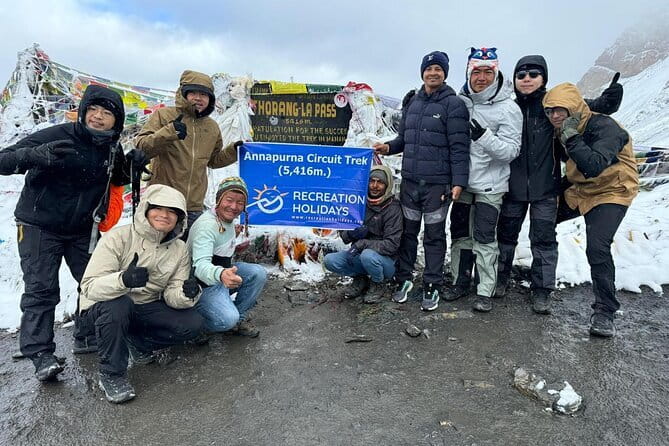
- Thorong La Pass at 5,416 meters: The trek’s big physical and visual challenge, reached after an early start from the high camp area.
- Manang acclimatization day: You get time to rest, explore the village, visit monasteries, or hike toward Gangapurna’s glacial lakes.
- Eight nights in tea houses: Twin-sharing rooms keep the price reasonable, but comfort is basic rather than hotel-like.
- Private group format: Only your group takes part, with a licensed English-speaking guide and an assistant guide for groups of eight or more.
- Kathmandu to Pokhara transport included: The trip uses local bus and shared jeep services at the beginning, then jeep or bus from Muktinath to Pokhara.
- Strong emphasis on guide support: The supplied feedback repeatedly praises organization, safety, guide care, porters, and follow-up from Recreation Holidays.
Why this short Annapurna Circuit works
The classic Annapurna Circuit is valued for variety. In nine days, this version gives you a condensed route through several distinct mountain zones rather than keeping you in one valley. You see farming settlements, Tibetan-influenced villages, apple orchards, forest trails, suspension bridges, high pasture, glacial views, a major pass, and the pilgrimage site of Muktinath.
That variety is the main reason I find the trip appealing. You are not simply walking toward one viewpoint. The route keeps changing, and each day has a different character.
The tour costs $880 per person. That includes eight nights of twin-sharing tea house accommodation, a licensed English-speaking guide, trekking permits, a first-aid kit, local transport from Kathmandu to Dharapani, transport from Muktinath to Pokhara, and all listed taxes and fees. It also includes eight breakfasts, eight dinners, and nine lunches.
For a supported high-altitude trek, that is a useful bundle. You do not need to arrange permits, find a guide at every stop, or pay separately for the main road transfers. The price also includes luggage storage during the trek, which is handy if you plan to return to Kathmandu or continue with a lighter bag.
You still need to budget for a Nepal entry visa, international flights, accommodation in Kathmandu and Pokhara, travel and medical insurance, extra baggage charges, and private transportation if you want to upgrade from the shared or local services. Porter service is available for $240 per porter, with one porter recommended for every two trekkers.
More Annapurna treks:
- Annapurna Circuit Trek with Tilicho Lake
★ 5.0 · 368 reviews - Annapurna base camp trek 5 Days
★ 5.0 · 252 reviews - Annapurna Base Camp Trek
★ 5.0 · 111 reviews
Day 1: Kathmandu to Bhulbhule, Besisahar, and Dharapani
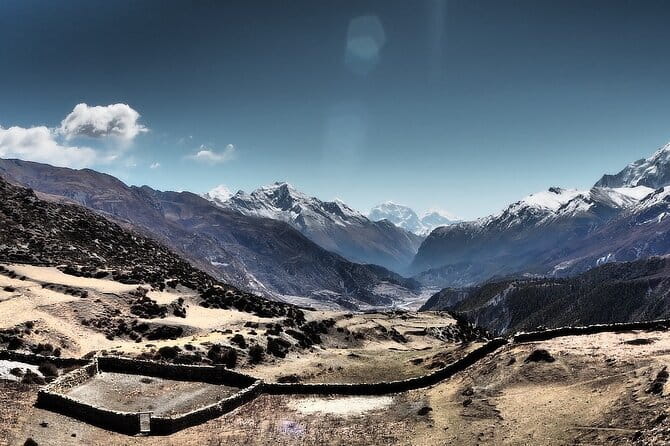
Your morning starts early, around 6:00 or 7:00 AM, with the meeting information giving a start time of 6:15 AM. The stated meeting point is Tribhuvan Airport in Kathmandu, while the itinerary also describes pickup from your hotel, so confirm the exact pickup point before departure.
The first day is mainly transport. You take a scenic bus toward Bhulbhule via Besisahar, then transfer to a shared jeep for the road toward Dharapani. This is not a walking day in the usual sense, but it gets you deep into the route quickly.
I would set your expectations carefully. Mountain roads can make a long day feel longer, and local transport is chosen for practicality rather than comfort. The benefit is that you save several trekking days and reach the walking section without paying for a private vehicle.
The included local transport is an important part of the tour’s value. You are not left to negotiate each transfer alone, and you can keep your attention on the journey rather than the ticket counter.
Day 2: Dharapani to Chame through Tibetan-style villages
The route from Dharapani to Chame moves into cooler mountain country. You pass Bagarchhap and Danakyu, with apple orchards and mountain views along the way.
The villages are a major part of the appeal here. This is not only a walk between trailheads. You see how local communities live along the circuit, and the Tibetan influence becomes more noticeable as you gain altitude.
The day is listed at roughly 12 hours, so the distance and road conditions deserve respect. A guide helps with pacing and route decisions, but no guide can remove the physical demand. You should keep your daypack light and use the breaks to drink water and eat.
Chame is a natural overnight point because it marks a move into a cooler, higher section of the route. The change in air and vegetation gives you an early sense of what is coming.
Day 3: Forest trails, suspension bridges, and Paungda Danda
The third day takes you through dense rhododendron and pine forests. You cross several suspension bridges and tackle steep sections before reaching Paungda Danda, a striking curved rock face.
I like this day because it has plenty of trail texture. Forest walking offers shade and a different mood from the open high country, while the bridges add a little drama without needing technical climbing skills.
The steep ascents can be tiring, especially after the long first two days. You should not judge your progress by speed. The route is designed around gradual altitude gain, and a slower pace is sensible.
Paungda Danda provides one of the day’s memorable natural landmarks. The contrast between the wooded trail and the huge exposed rock gives you a clear feeling that the route is moving into a more severe mountain zone.
More treks starting in Kathmandu:
- Everest Base Camp Trek – 14 Days
★ 5.0 · 1,499 reviews - Everest Base Camp Trekking
★ 5.0 · 485 reviews - Nagarkot Sunrise View and Day Hiking from Kathmandu
★ 5.0 · 471 reviews - Everest Base Camp Trekking – 13 Day
★ 5.0 · 365 reviews
Day 4: Reaching Manang and the Annapurna views
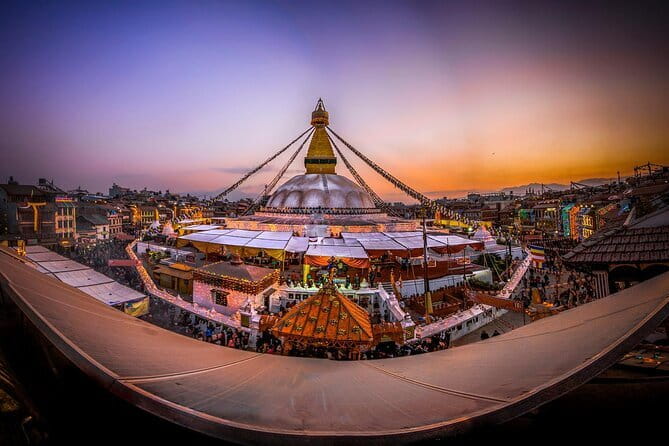
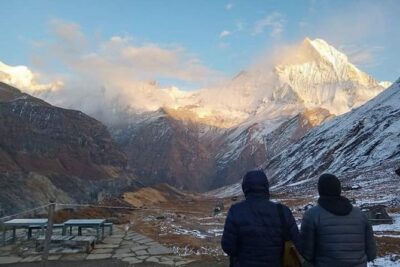
After breakfast, you head toward Manang. The day begins on flatter ground before a gradual rise toward Humde, with views of Annapurna II, Annapurna III, Annapurna IV, and Annapurna I along the way.
Manang is one of the key stops on this trek. It is more than a place to sleep. It is the base for your acclimatization day, and it gives you time to adjust before the trail climbs toward Yak Kharka and Thorong Phedi.
The itinerary describes this as a full day, so fatigue may build by the time you arrive. That is not a flaw in the route, but it means you should resist the urge to treat Manang as merely another overnight stop. Eat, hydrate, and use the next day properly.
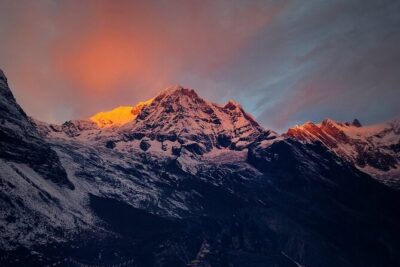
The mountain views are the reward. Annapurna I rises to 8,091 meters, and the group of peaks around Manang gives this section its scale. You do not need a special side trip to appreciate the setting. The route itself provides repeated mountain views.
Day 5: Acclimatization in Manang
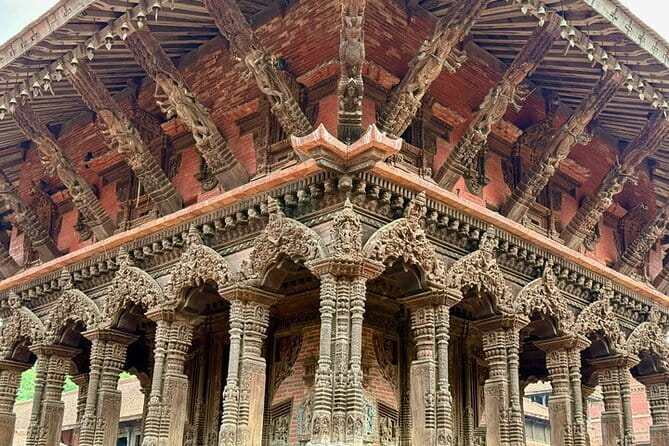
This is the most important rest day of the trek. You can explore Manang village, walk toward the glacial lakes beneath Gangapurna, or visit local monasteries.
An acclimatization day is not wasted time. Your body needs time to adjust to the higher elevation, and this pause makes the later push toward Thorong La more manageable. I particularly like that this day offers choices instead of forcing one fixed activity.
Keep the walking moderate. You may feel energetic in the morning, but altitude symptoms can change quickly. Follow your guide’s advice and report concerns early. The company supplies a first-aid medical kit, but travel and medical insurance remain your responsibility.
Manang is also where the cultural side of the trek becomes especially useful. You have time to look beyond the trail, observe local life, and visit religious sites rather than rushing through the village at the end of a long walking day.
Day 6: Manang to Yak Kharka
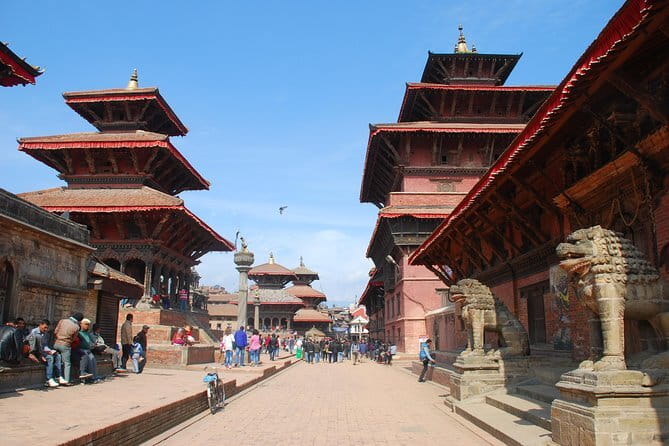
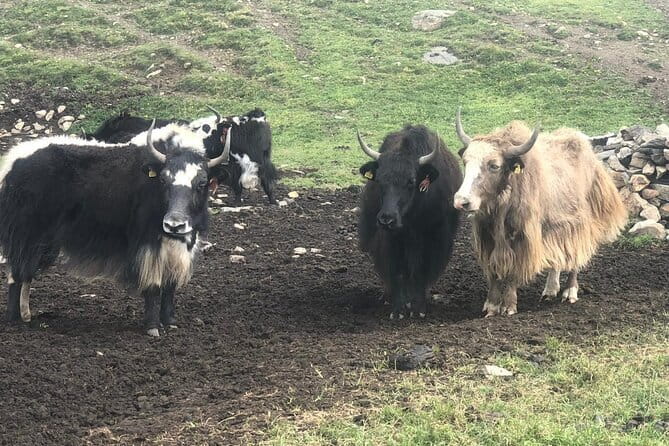
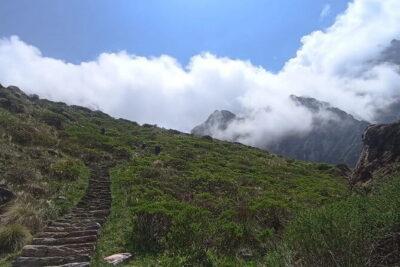
The trail to Yak Kharka climbs steadily through local settlements and cultivated farmland. The ascent is described as moderate, with suspension bridges along the way.
This is a day for controlled effort. The scenery opens as you gain height, but the air becomes thinner. You may find yourself walking more slowly than expected, and that is normal at this stage.
Yak Kharka is a high stop on the approach to the pass. Accommodation here is tea house based, with twin-sharing rooms included in the tour price. Tea houses are practical mountain lodges, not full-service hotels, so you should be comfortable with simple facilities and shared trekking culture.
The route is valuable because it does not rush directly from Manang to the pass. You gain altitude in stages, which supports the acclimatization plan.
Day 7: Toward Thorong Phedi
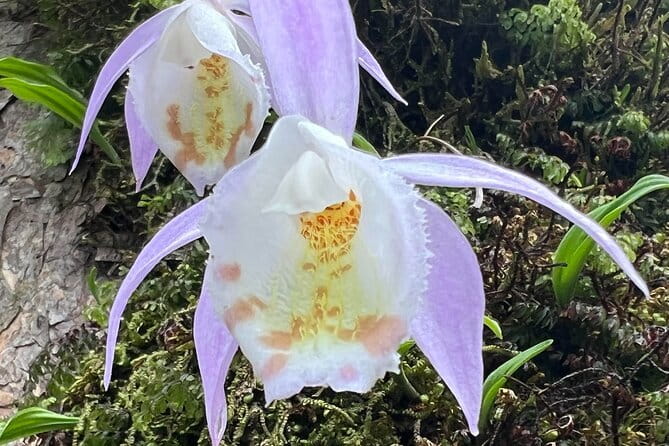
The itinerary describes about four to five hours of gradual uphill walking to Thorong Phedi, though the day is also listed as roughly 12 hours. That suggests the full schedule may include extended time for breaks, route conditions, or the approach to the high camp area. Ask your guide where you will sleep and how the day will be paced.
At this elevation, even a moderate incline feels serious. The views are the reward, but the practical priorities are water, layers, food, and rest.
The trek includes the necessary permit costs and lists the relevant pass admission as included. You are still responsible for personal expenses and insurance. Emergency evacuation support is described as covered by travel insurance, so do not treat that as a substitute for purchasing your own policy.
This night is about preparing for the pass crossing. Pack what you need for the early morning in an accessible place, keep your warm layers close, and avoid carrying unnecessary weight.
Day 8: Thorong La Pass and Muktinath
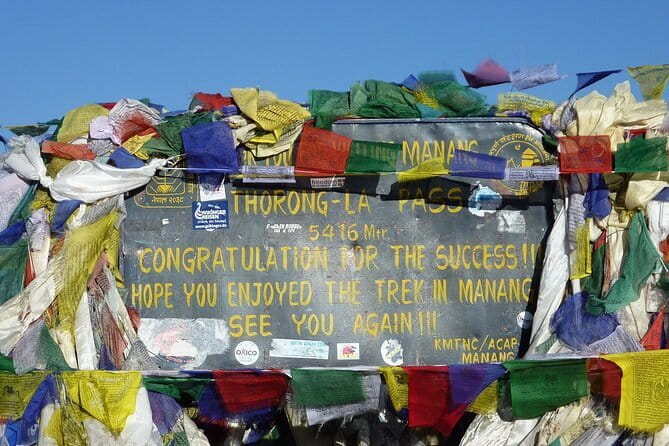
The biggest day starts at about 3 AM. You climb to Thorong La Pass, the highest point of the Annapurna Circuit at 5,416 meters, then descend toward Muktinath.
The early start is tough, but it serves a purpose. Conditions at the pass can be more favorable earlier in the day, and reaching the summit before the route becomes even more demanding is part of the plan.
Thorong La is the emotional high point of the trek. You get wide mountain views from the summit, but the achievement comes from the effort as much as the scenery. At this altitude, the trail can feel slow and exposed, so do not expect a quick photo stop followed by an easy walk.
The descent to Muktinath changes the feel of the route again. Muktinath Temple is an important religious site, and arriving here adds cultural meaning to what could otherwise be just a hard mountain crossing.
The day is listed at roughly 12 hours. It is the most demanding part of the schedule, and you should think seriously about your fitness before booking. The guide’s support is particularly valuable here, but your own preparation still matters.
Day 9: Muktinath to Pokhara by road
After a well-earned rest, you travel from Muktinath to Pokhara by jeep or bus. The road descends through the lower Mustang Valley and provides a final change of scenery.
This is not a relaxing sightseeing drive in the conventional sense. Mountain roads can be lengthy, and the day is listed at about 12 hours. Still, the road transfer lets you finish the circuit without adding several walking days.
Arriving in Pokhara gives you a clear endpoint and a chance to celebrate the trek. The tour ends there, and accommodation in Pokhara is not included, so plan your overnight stay separately.
The transport is included, which makes the final day easier to manage. You do not have to arrange the connection from Muktinath on your own after crossing the pass.
Tea houses, meals, and what the price covers
The tour includes eight nights of tea house accommodation on a twin-sharing basis. This is the standard practical arrangement for a trek like this, but you should not expect private hotel rooms or city-level facilities.
Meals are also included: eight breakfasts, eight dinners, and nine lunches. That covers the main trekking schedule and simplifies budgeting. You may still want money for drinks, snacks, or personal purchases, but the core food plan is already handled.
A licensed English-speaking guide is included. Groups of eight or more receive an assistant guide, with the assistant’s food, accommodation, salary, and insurance covered by the company.
The supplied feedback gives strong emphasis to guide care, organization, safety, porters, and follow-up. Hari, the company founder, is also mentioned in connection with repeat use of the company. No specific trekking guide name is provided, so you should ask for your guide’s name and experience before departure.
Who should book this trek?
I would recommend this trip to someone who wants the main Annapurna Circuit experience in a short, organized format. It suits you if you have moderate fitness, can handle long walking days, and value having permits, accommodation, meals, and transport arranged in advance.
It is also a good fit if you want cultural contact along with mountain scenery. Manang, the villages on the route, local monasteries, apple orchards, cultivated fields, and Muktinath all add more than just mountain views.
I would hesitate to recommend it to anyone looking for a gentle holiday. The early start on Day 8, the 5,416-meter pass, the long transport days, and basic tea house accommodation make this a demanding trip.
Porter service is optional at $240 per porter, with one porter for every two trekkers. If you are unsure about carrying your own gear, this is an important cost to add rather than an afterthought.
Practical details before you reserve
The activity is private, meaning only your group takes part. That can make the pace and daily support feel more personal, though the included local transport may still involve shared vehicles.
Pickup is offered, and the stated start time is 6:15 AM. Since the information gives both Tribhuvan Airport and hotel pickup as starting details, confirm where your guide will meet you in Kathmandu.
The tour requires a moderate physical fitness level. Bring travel and medical insurance that covers trekking and emergency evacuation, since insurance is not included and evacuation support depends on that coverage.
You can cancel up to 24 hours before the start time for a full refund. Changes or cancellations inside that 24-hour window are not accepted for a refund.
Should you book the Annapurna Circuit Trek?
Book it if you want a compact, supported route with a major high-pass crossing, an acclimatization day, cultural stops, and a clear finish in Pokhara. At $880, the included permits, eight nights, meals, guide, luggage storage, and transport give the price solid value.
Before paying, confirm the exact pickup point, the day-by-day walking hours, your sleeping arrangement near Thorong Phedi, and whether you want to add a porter. If your fitness is only moderate in the everyday sense, train for long uphill days first.
This is a serious trek with excellent variety. It is best for you if the challenge is part of the appeal, not an unpleasant surprise.
FAQ
How long is the Annapurna Circuit Trek?
The trek lasts approximately nine days, beginning in Kathmandu and ending in Pokhara.
What is the highest point of the trek?
The highest point is Thorong La Pass, at 5,416 meters.
Is accommodation included?
Yes. The tour includes eight nights of tea house accommodation in twin-sharing rooms.
Are meals included?
Yes. The package includes eight breakfasts, eight dinners, and nine lunches during the trek.
Is transportation included?
Yes. Local transport from Kathmandu to Dharapani and transport from Muktinath to Pokhara are included. The itinerary uses a bus, shared jeep, or jeep and bus services.
Is a guide included?
Yes. A licensed English-speaking guide is included. An assistant guide is provided for groups of eight or more, with the assistant’s food, accommodation, salary, and insurance covered.
Recently added around Kathmandu
- Kathmandu : Swambhunath & Durbar Square Guided Half Day Tour★ 3.3 · 3 reviews
- Private Day Tour in Kathmandu Valley Rim with Bhaktapur Sightseeing★ 5.0 · 3 reviews
- From Kathmandu / Pokhara / Chitwan: River Rafting – 1 Day★ 4.6 · 3 reviews
- Nepali Cooking training & Cultural Homestay Experience★ 5.0 · 3 reviews
- Private 3-Hour Nagarkot Sunset Tour from Kathmandu★ 3.5 · 3 reviews
- From Kathmandu: Everest Base Camp Landing Helicopter Tour★ 5.0 · 3 reviews
- 4 UNESSCO World heritage sites of Kathmandu-private tour★ 5.0 · 3 reviews
- From Kathmandu Budget: 15 Day Everest Base Camp Trek★ 5.0 · 3 reviews
Annapurna Treks, compared.
Kathmandu to Annapurna Base Camp (ABC) 5-Day Trek
Read our review →
Browse the lists this tour appears in