
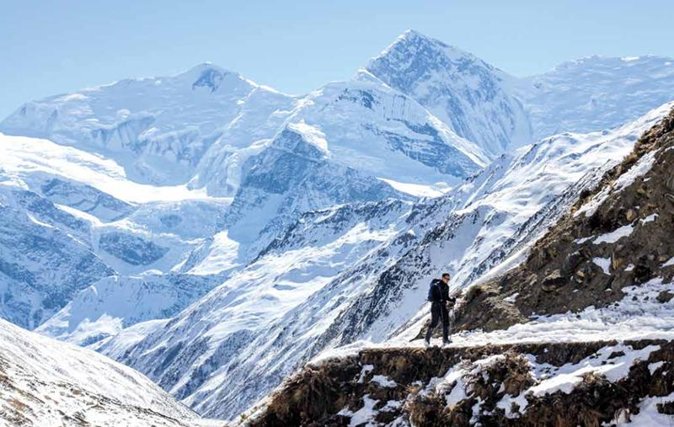
Reviewed · ANNAPURNA TREKS
Annapurna Circuit with Tilicho Lake Trek
Tilicho Lake is the prize here: a cold blue pool set high above the Marsyangdi Valley, reached by a demanding side route before you cross Thorong La. This is not a gentle Himalayan stroll. It is a serious trek with long days, thin air, steep paths, and a very satisfying run of mountain scenery.
I like the small group limit of eight, which keeps the pace more personal and makes route decisions easier. I also like that the price includes the major practical pieces: teahouse lodging, meals, permits, a guide, porters, a sleeping bag, a duffel bag, and the Jomsom to Pokhara flight.
The main caution is the altitude. Tilicho Lake and Thorong La demand good fitness and sensible pacing. There is also a detail you should clarify before booking: the tour is described as 13 days in the schedule, but another description refers to an 18-day itinerary, and one review describes an 18-day trip.
In This Review
- Key points at a glance
- What this Annapurna route is really like
- Day 1: Kathmandu to Chame by way of Besisahar
- Day 2: Forests, bridges, and Pisang
- Day 3: Manang Valley and Tilicho Peak views
- Day 4: A necessary rest day in Manang
- Day 5: Khangsar and the Tibetan-style villages
- Day 6: Khangsar to Tilicho Base Camp
- Day 7: The early start for Tilicho Lake
- Day 8: From Tilicho back toward Yak Kharka
- Day 9: Thorong Phedi and the pass approach
- Day 10: Thorong La and Muktinath
- Day 11: Along the Kali Gandaki to Jomsom
- Day 12: Jomsom to Pokhara by morning flight
- Day 13: Pokhara to Kathmandu by tourist coach
- What the $1,093 price covers
- The people and support behind the trek
- Who should book this route
- Should you book the Annapurna Circuit with Tilicho Lake?
- FAQ
- How long does the trek last?
- What is the maximum group size?
- Is a guide included?
- Are porters included?
- Is the Jomsom to Pokhara flight included?
- Are trekking permits included?
- What meals are included?
- Is Kathmandu accommodation included?
- Is travel insurance included?
Key points at a glance
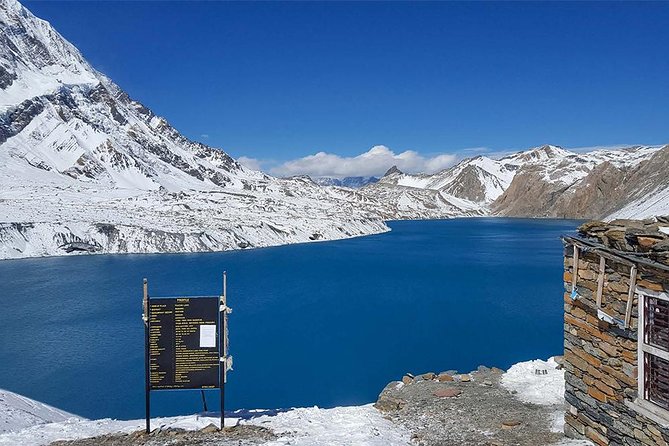
- Tilicho Lake side trip: Add one of Nepal’s most dramatic high-altitude detours to the classic Annapurna Circuit.
- Thorong La crossing: Reach one of the trek’s major high points after acclimatizing in Manang.
- Small guided group: The maximum group size is eight, with a certified guide and one porter for every two people.
- Useful inclusions: Permits, meals, teahouse accommodation, trekking gear, private transport, and the Jomsom to Pokhara flight are covered.
- Tough mountain days: Expect several days of four to nine hours on foot, including steep climbs and high-altitude walking.
- Strong organization: The praised staff include guide NC Sherpa and porter MisterD Sherpa, noted for professional, kind support.
What this Annapurna route is really like
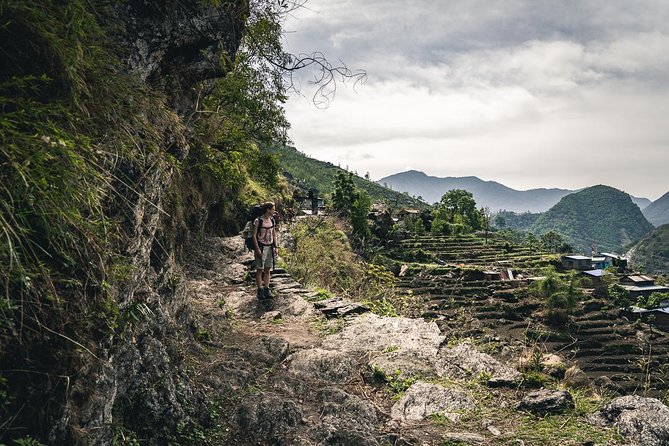
This trip links the lower Marsyangdi Valley with the high villages around Manang, then swings toward Tilicho Lake before returning to the main circuit and crossing Thorong La. You get forests, river valleys, Tibetan-style villages, bare high slopes, snow-capped peaks, and the Kali Gandaki Valley in one long journey.
The route is rewarding because it keeps changing. Early days bring river crossings and forest. Manang offers a needed pause. Tilicho adds a rough, high side trip, and Thorong La supplies the big physical test. After the pass, Muktinath and Jomsom bring a different feel, with drier country and easier access to transport.
The arrangement removes much of the daily guesswork. Your guide handles the route, permits, group planning, and basic logistics while porters carry personal gear and group equipment. That matters on a trek where fatigue can make simple choices feel surprisingly difficult.
Still, guided does not mean easy. You need a moderate level of physical fitness at minimum, and this route is better suited to someone who already enjoys long walks or mountain hiking. The itinerary includes several days of five to nine hours, often at altitude.
More Annapurna treks:
- Annapurna Circuit Trek with Tilicho Lake
★ 5.0 · 368 reviews - Annapurna base camp trek 5 Days
★ 5.0 · 252 reviews - Annapurna Base Camp Trek
★ 5.0 · 111 reviews
Day 1: Kathmandu to Chame by way of Besisahar
The opening day is mostly transport. You drive from Kathmandu toward Dumre on the Kathmandu to Pokhara Highway, then follow the Marsyangdi River toward Besisahar and onward to Chame.
The schedule gives this day about nine hours, so do not treat it as a casual transfer. Road conditions and mountain routes can make overland travel tiring, even before the walking begins. The payoff is that you reach Chame without spending an extra day arranging local transport yourself.
This is also where the private vehicle inclusion matters. You are not piecing together several public connections with bags and trekking gear. The tour begins with the group moving together toward the trailhead.
Day 2: Forests, bridges, and Pisang
The walk toward Pisang enters a narrow, steep valley with deep forest and two notable bridges, one around 2,910 meters and another near 3,040 meters. The day takes about six hours and gives you your first proper taste of the mountain route.
Lamjung Himal, listed at 6,983 meters, provides one of the striking snow-covered views along this section. The combination of forest, bridges, river valleys, and high peaks makes this a more interesting start than a plain uphill march.
You should expect the terrain to feel increasingly demanding. The route is not described as technical climbing, but the steep valley and changing elevation require steady footing. Keep your day bag light and let the porter arrangement do its job.
Day 3: Manang Valley and Tilicho Peak views
The route climbs a steep ridge with broad views over Manang Valley and toward Tilicho Peak, which rises to 7,134 meters. You then pass Humde and its airstrip, around 3,280 meters, before reaching Manang.
This is a five-hour walking day, but altitude can make it feel harder than the clock suggests. The shorter distance is useful because it lets you gain height without stacking another marathon onto the schedule.
Manang is an important stop for more than scenery. It is a sizable village in a remote setting, with time to get used to the higher air before the route turns toward Tilicho. I would use the afternoon for a slow walk, water, food, and rest rather than trying to cram in too much sightseeing.
More treks starting in Kathmandu:
- Everest Base Camp Trek – 14 Days
★ 5.0 · 1,499 reviews - Everest Base Camp Trekking
★ 5.0 · 485 reviews - Nagarkot Sunrise View and Day Hiking from Kathmandu
★ 5.0 · 471 reviews - Everest Base Camp Trekking – 13 Day
★ 5.0 · 365 reviews
Day 4: A necessary rest day in Manang
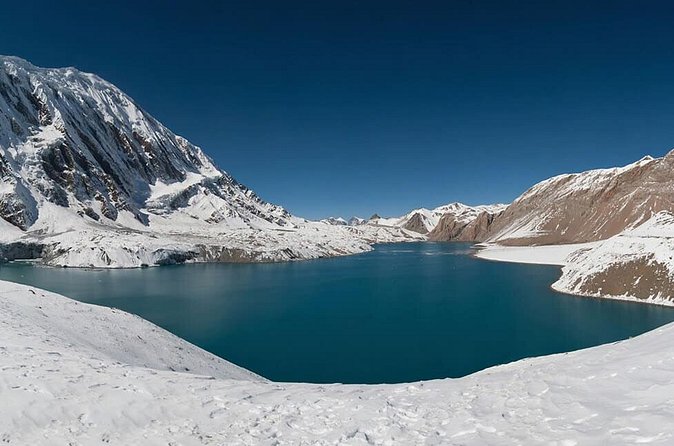
The Manang rest day is one of the best planning choices in this route. You can explore the village, observe local life, and give your body time to adjust before climbing higher.
The stated activity time is about six hours, but that should not be read as six hours of hard trekking. The day is meant for acclimatization and local exploration. Your guide can help you understand how the day fits the route, but you should still pay attention to how you feel.
A rest day can seem wasteful when you are eager to reach Tilicho Lake. It is not. On a high route, a slower schedule may help you enjoy the following days rather than simply endure them.
Day 5: Khangsar and the Tibetan-style villages
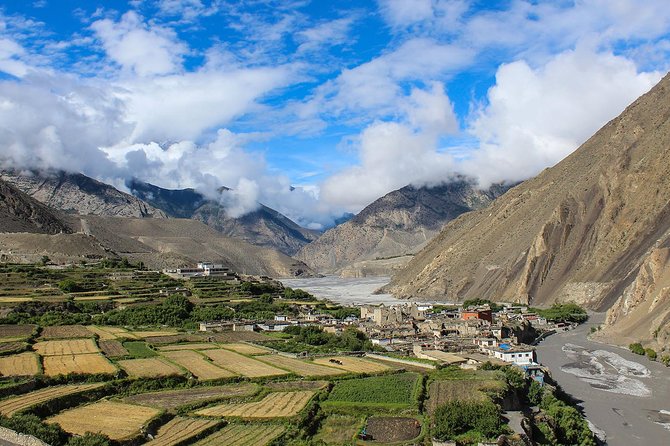
From Manang, you follow the river, cross Khangsar Khola, and climb toward Khangsar Village. The walk takes about four hours, making it one of the shorter days.
Khangsar is described as a typical Tibetan-style village, and the route gives you a close look at the cultural shift that comes with moving higher into the Annapurna region. The stone-built settlement and dry mountain setting offer a marked change from the forests lower down.
This short day also positions you well for the Tilicho section. You will want energy for the following climb, so enjoy the village without turning the afternoon into another hard hike.
Day 6: Khangsar to Tilicho Base Camp
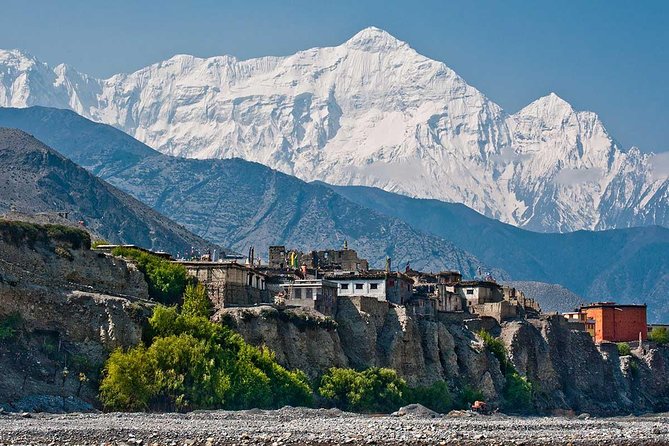
The route passes a gompa and follows a newer trail toward a high ridge. You may find two route options here: an older, more difficult path and a newer, easier alternative.
That detail is useful. The newer route does not make the day easy, but it can reduce unnecessary strain. Follow your guide’s advice rather than choosing the rougher line simply because it sounds more adventurous.
The schedule allows about eight hours and includes the admission ticket for the Tilicho Lake section. This is a serious walking day, with a high ridge, uneven ground, and growing altitude. Keep your pace calm and even. The goal is not to race to base camp, but to arrive with enough strength for the lake itself.
Day 7: The early start for Tilicho Lake
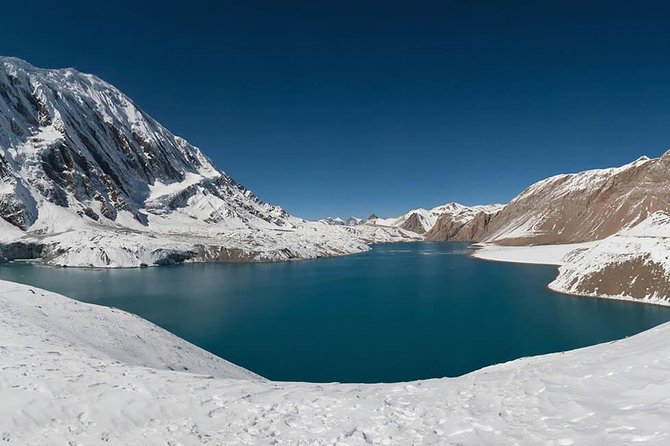
This is the signature day. From Tilicho Base Camp, you set out early for the lake, with about nine hours allowed for the full outing.
The early start is not just a matter of itinerary discipline. Winds often increase later in the day as warm air from lower ground mixes with colder mountain air. Starting early gives you a better chance of walking in calmer conditions and seeing the lake before the weather turns.
Tilicho Lake sits at high altitude, so the setting is more important than the distance alone. You are walking toward a remote, elevated body of water surrounded by the stark peaks of the Annapurna region. The route is physically demanding, but this is the kind of day that explains why the detour is worth adding.
Do not expect a relaxed lakeside picnic. The round trip is long, the trail can be rough, and the thin air changes how quickly you move. Your guide’s route knowledge is especially valuable here, and the first aid kit carried by the group provides a sensible safety measure, though it is not a substitute for travel and medical insurance.
Day 8: From Tilicho back toward Yak Kharka
You descend gradually from Tilicho Base Camp, then climb about 500 meters as you work toward Yak Kharka. The route passes through Tengi and leaves the Marsyangdi Valley as it heads toward the Thorong La area.
The walking time is about seven hours. After the long lake day, this combination of descent and renewed climbing may feel demanding. It is a good example of why the tour suits active hikers, not people looking for a sightseeing holiday with occasional walks.
The route also shows how the Annapurna Circuit keeps changing. You are leaving the river valley behind and moving into a more open, higher mountain zone. The Annapurna range remains the visual draw, but the physical rhythm becomes the main story: descend, climb, rest, repeat.
Day 9: Thorong Phedi and the pass approach
This five-hour day takes you toward Thorong Phedi. You begin with a climb to a ridge, descend toward the Kone River, cross a wooden bridge, and continue along a narrow trail.
Thorong Phedi is an important staging point before the pass. The shorter day gives you a chance to prepare for the biggest crossing ahead, though the narrow route and elevation still require care.
This is a day to keep your group together and listen to the guide. The route is not merely a scenic walk, and the combination of altitude, exposure, and fatigue can affect people differently. The small group size should help the guide keep track of the pace and support needs.
Day 10: Thorong La and Muktinath
The pass day starts early and takes about eight hours. You climb toward Thorong La, where high altitude and possible snow can make the crossing tough, then continue toward Muktinath.
This is the trip’s main physical hurdle. The reward is not just reaching a high point. You have crossed from the Manang side toward the Mustang and Muktinath region, where the scenery and feel of the route begin to shift.
Snow conditions are specifically noted as a possible concern, so you should not assume the pass will look the same in every season. The tour provides a guide, first aid kit, and porters, but the hard work remains yours. Good preparation, patience, and warm layers matter more than speed.
Muktinath is a meaningful endpoint after the pass, offering a chance to recover from the crossing. You will likely appreciate the stop for practical reasons as much as scenic ones.
Day 11: Along the Kali Gandaki to Jomsom
The route to Jomsom follows the Kali Gandaki River, with a choice involving the Kagbeni or Lupra trail. The walk takes about six hours.
Jomsom is described as a chilly, picturesque valley with plenty of amenities. After several nights in more remote villages, that access can feel welcome. It also serves as the gateway to the included flight to Pokhara.
This day has a different character from the Tilicho and Thorong La sections. You are still walking, but the route is now preparing you to leave the high trail. Take time to notice the change in the valley rather than treating Jomsom as only a place to sleep.
Day 12: Jomsom to Pokhara by morning flight
You wake early for the flight from Jomsom to Pokhara. The journey takes about two hours in the schedule and includes mountain views, including snow-capped peaks.
The flight is one of the package’s most valuable practical inclusions. It saves you from arranging the next transport leg yourself after a demanding trek, and it links the remote end of the circuit with Pokhara quickly.
Flight schedules in mountain regions can be sensitive to conditions, so you should keep your plans flexible after arrival. The supplied information confirms the flight is included, but it does not promise a particular departure time beyond the stated morning schedule.
Day 13: Pokhara to Kathmandu by tourist coach
The final scheduled leg is a tourist coach from Pokhara back to Kathmandu, taking roughly seven hours. The trip ends in Thamel, with overnight accommodation in Kathmandu arranged according to the agreed category and breakfast plan.
There is a small inconsistency here. Kathmandu accommodation is listed as excluded in the package details, while the final day says an overnight stay is arranged. Ask exactly what is included in your booking before you pay, especially if you want a room after the coach arrives.
The long coach ride is not glamorous, but it completes the route without another booking to manage. If your international flight leaves soon afterward, allow plenty of time and confirm the final night and transfer arrangements directly.
What the $1,093 price covers
At $1,093.34 per person, this is not simply a guiding fee. The package includes teahouse or guesthouse accommodation during the trek, breakfast for 13 days, 11 lunches, and 11 dinners.
It also includes a certified professional guide, one porter for every two people, the Annapurna Conservation Area Permit, TIMS, private vehicle transport, the Jomsom to Pokhara flight, airport pickup and drop-off as described, taxes, and a first aid kit. Sleeping bags, duffel bags, and other Nepal Social Treks equipment are supplied for use during the trip.
That list gives the price solid value for a supported high-altitude trek. You are paying for a coordinated route rather than buying meals, permits, ground transport, gear, and porters one item at a time.
You still need to budget for drinks, alcohol, other food and drinks not covered by the meal plan, international flights, Nepal entry visa fees, Kathmandu accommodation if it is not included in your confirmed arrangement, and travel or medical insurance. Insurance is especially important here because the route reaches high altitude and includes demanding days.
The tour offers group discounts, but no discount details are provided. Ask about the current terms if you are booking with friends.
The people and support behind the trek
The clearest praise is directed at the staff’s professionalism, kindness, and organization. A 5 out of 5 rating from 25 reviews and a 100 percent recommendation record support that positive picture, though you should still judge the route by its physical demands rather than by the service score alone.
Guide NC Sherpa and porter MisterD Sherpa are specifically named in a highly positive account of an 18-day Annapurna Circuit trip. Their roles are different: the guide manages the route and group, while the porter carries equipment. That division lets you walk with a lighter personal load.
A maximum group of eight is another practical advantage. You are not part of a large procession, and the guide has a better chance of noticing changes in pace or comfort. The booking requires each participant’s passport name, number, expiry date, and country, so have those details ready.
Who should book this route
You should consider this trek if you want a demanding mountain route with support already arranged. It fits active hikers who can handle several consecutive days of walking, steep climbs, narrow trails, and altitude.
It is a strong choice if Tilicho Lake matters to you. The detour adds effort, but it gives the trip a distinctive goal beyond the standard circuit and Thorong La crossing.
You may prefer another experience if you want short walks, flexible independent travel, or comfortable hotels throughout. Teahouse accommodation is part of the appeal, but it also means a simpler standard of lodging than you would find in Kathmandu or Pokhara.
You should also be comfortable with changing plans around mountain transport. The Jomsom to Pokhara flight is included, but the schedule is still tied to conditions and local operations. The tour gives you structure, not total control over the mountains.
Book at least with the cancellation terms in mind: you can receive a full refund if you cancel at least 24 hours before the local start time. Changes or cancellations made inside that window are not accepted for a refund.
Should you book the Annapurna Circuit with Tilicho Lake?
I would choose this trip if you want the classic Annapurna route with an extra high-altitude challenge and prefer having the hard logistics handled. The combination of Tilicho Lake, Manang, Thorong La, Muktinath, and the Jomsom flight gives you a broad and varied route for the price.
Before booking, ask Nepal Social Treks and Expedition to confirm the actual trip length, the Kathmandu hotel on the final night, the exact airport transfer arrangements, and the current meal and accommodation categories. The 13-day schedule and 18-day wording should not be left unclear.
If you are fit, patient, and ready for long days, this is a well-supported way to tackle a major Nepal trek. If altitude or nine-hour walking days sound unpleasant, choose an easier route instead. The views are a bonus, but the real experience is the effort required to reach them.
FAQ
How long does the trek last?
The scheduled itinerary lasts approximately 13 days. Another description refers to an 18-day itinerary, and one trip account also describes 18 days, so confirm the exact duration before booking.
What is the maximum group size?
The group is limited to a maximum of eight participants.
Is a guide included?
Yes. A certified professional guide is included, and the route is designed so you can trek with guidance rather than manage navigation alone.
Are porters included?
Yes. The package provides one porter for every two people to carry personal gear and group equipment.
Is the Jomsom to Pokhara flight included?
Yes. The morning flight from Jomsom to Pokhara is included in the package.
Are trekking permits included?
Yes. The Annapurna Conservation Area Permit and TIMS are included.
What meals are included?
The package includes breakfast for 13 days, 11 lunches, and 11 dinners. Drinks, alcohol, and additional food and drinks are not included.
Is Kathmandu accommodation included?
The package details say Kathmandu accommodation is not included. The final day also refers to an arranged overnight stay, so confirm what your specific booking covers.
Is travel insurance included?
No. Travel and medical insurance are not included, and the tour advises that you arrange your own coverage.
Recently added around Kathmandu
- Kathmandu : Swambhunath & Durbar Square Guided Half Day Tour★ 3.3 · 3 reviews
- Private Day Tour in Kathmandu Valley Rim with Bhaktapur Sightseeing★ 5.0 · 3 reviews
- From Kathmandu / Pokhara / Chitwan: River Rafting – 1 Day★ 4.6 · 3 reviews
- Nepali Cooking training & Cultural Homestay Experience★ 5.0 · 3 reviews
- Private 3-Hour Nagarkot Sunset Tour from Kathmandu★ 3.5 · 3 reviews
- From Kathmandu: Everest Base Camp Landing Helicopter Tour★ 5.0 · 3 reviews
- 4 UNESSCO World heritage sites of Kathmandu-private tour★ 5.0 · 3 reviews
- From Kathmandu Budget: 15 Day Everest Base Camp Trek★ 5.0 · 3 reviews
Annapurna Treks, compared.
Kathmandu to Annapurna Base Camp (ABC) 5-Day Trek
Read our review →
Browse the lists this tour appears in