
Reviewed · EVEREST BASE CAMP TREKS
Everest Base Camp Trek with Helicopter Return to Lukla – 10 Days
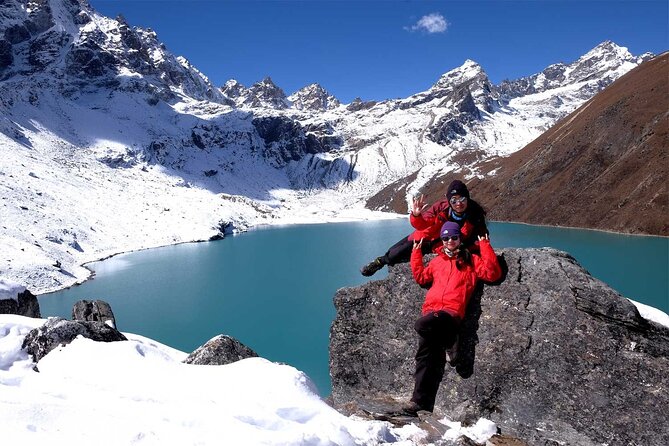
The clever part of this 10-day Everest Base Camp trek comes at the end: after walking into the high Himalaya, you return from Gorakshep to Lukla by helicopter. I like the aerial view of the route you have just crossed, and I like that permits, flights, basic gear, luggage support, and a licensed guide are arranged for you. Guides such as Ram and Rupak are praised by name in the company’s wider trekking operation, so it is worth asking who will lead your group.
The main consideration is the pace. Reaching Everest Base Camp and Kala Patthar in 10 days leaves little spare time for weather delays or a slow acclimatization schedule. At $799 per person, the package offers strong value for the included logistics, but meals during the trek, porter service, insurance, and personal costs are extra.
In This Review
- Key points to know before booking
- Why the Gorakshep helicopter return changes the trek
- Kathmandu arrival and the flight to Lukla
- Walking through the Dudh Koshi valley
- Namche Bazaar, the useful acclimatization stop
- Tengboche monastery and the cultural side of the route
- Dingboche and the altitude test
- Everest Base Camp and the final push
- Kala Patthar at sunrise
- Gorakshep to Lukla by helicopter
- What the $799 price really covers
- Who will enjoy this 10-day trek
- Small details that make the trip easier
- Should you book it?
- FAQ
- Where does the Everest Base Camp trek begin?
- How long does the experience last?
- Is the helicopter ride included?
- Are meals included?
- Is porter service included?
- What kind of insurance do I need?
Key points to know before booking
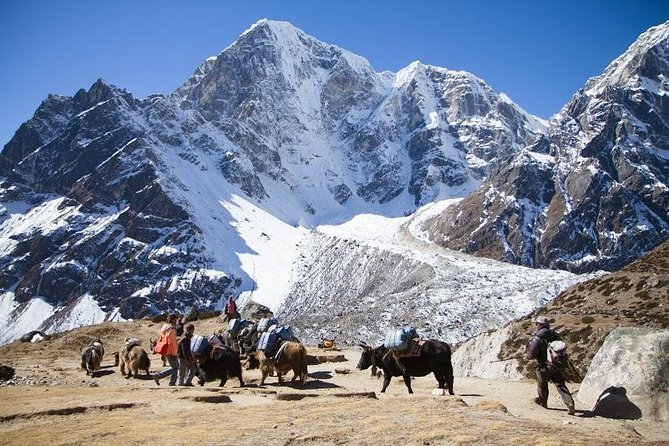
- The helicopter return saves time: Fly from Gorakshep to Lukla after your high-altitude trekking, with mountain views from a completely different angle.
- Kala Patthar is the sunrise highlight: The viewpoint offers one of the best close views of Everest and the surrounding Himalayan peaks.
- The route includes Sherpa culture: Namche Bazaar, Tengboche monastery, and villages along the Dudh Koshi River add more than scenery.
- The package handles the paperwork: Sagarmatha National Park, TIMS, and Pasang Lhamu entry permits are included.
- The trek is physically serious: You need moderate fitness, and high-altitude evacuation insurance is required.
- The group stays small enough to manage: The maximum group size is 15 people, with a licensed English-speaking guide.
Why the Gorakshep helicopter return changes the trek
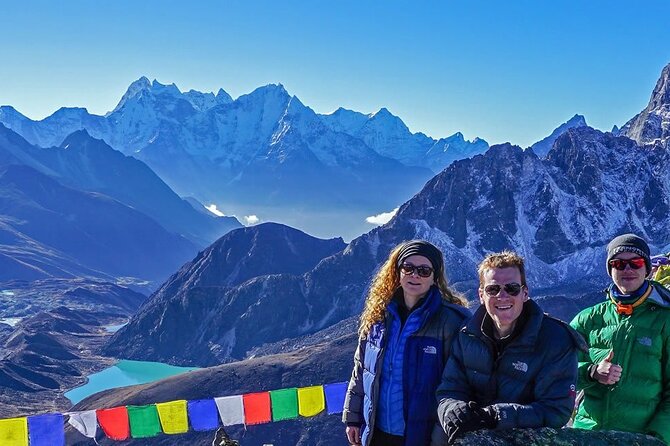
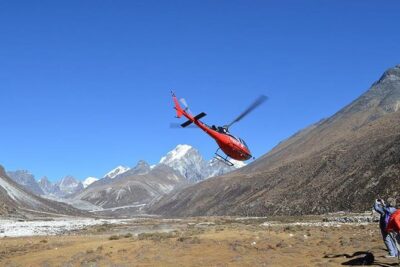
A standard Everest Base Camp trek usually returns overland on foot. This trip replaces part of that return with a helicopter flight from Gorakshep to Lukla, giving you a fast finish and a bird’s-eye look at the valleys, ridges, and villages you passed on foot.
That changes the feel of the trip. Instead of spending several additional days retracing the trail, you finish near the highest section of the route and move quickly back toward Lukla. For anyone with limited holiday time, this is the biggest practical advantage.
The helicopter is also more than a shortcut. From the air, the route becomes easier to understand. River valleys that felt enormous on foot appear as narrow corridors between huge mountain walls, while villages and trails take on a new shape. You still do the demanding part of the trek, but the return gives you a second way to see the Khumbu region.
There is one important catch: helicopter flights depend on suitable weather. If poor conditions cancel the flight or the activity itself, the stated policy provides either another date or a full refund. You should still build flexibility into your wider Nepal plans, since mountain weather can disrupt flights and road transfers.
More ways to trek to Everest Base Camp:
- Everest Base Camp Trek – 14 Days
★ 5.0 · 1,499 reviews - Everest Base Camp Helicopter Tour landing at Everest View Hotel
★ 5.0 · 668 reviews - Everest Base Camp Trekking
★ 5.0 · 485 reviews
Kathmandu arrival and the flight to Lukla
The trip begins with a private airport transfer from Tribhuvan International Airport in Kathmandu. Pickup is listed for 9:00 am, and your Kathmandu stay is in a three-star hotel with breakfast.
Kathmandu gives you a short introduction to Nepal before the mountains take over. The package also ends with a farewell dinner featuring Nepali food and traditional dance, so the city frames the trek at both ends. Lunch and dinner in Kathmandu are not included, which is easy enough to budget for.
The mountain section begins with a domestic flight from Kathmandu or Manthali to Lukla. The use of Manthali can depend on the operating arrangements for domestic flights, so confirm the departure airport and transfer plan before you go.
Lukla is not a grand gateway in the usual sense. It is a compact mountain town, and from here the walking begins. The short flight is part of the character of the trip, but it can also be affected by weather. Keep your first day’s schedule flexible and avoid booking a tight international connection immediately after the trek.
Walking through the Dudh Koshi valley
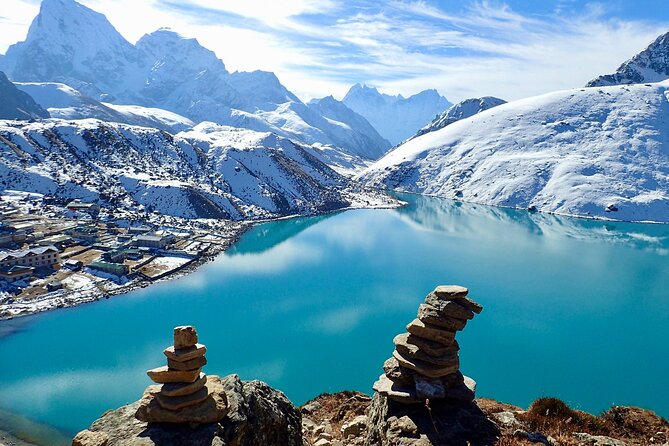
From Lukla, the route follows the Dudh Koshi River through forested sections and Sherpa settlements. The early stages are useful because they let you get used to walking several hours a day before the altitude becomes the central issue.
You will see a gradual change in the surroundings as the route climbs. Lower sections have more trees and river scenery, while higher sections feel more open and rugged. The trail is not simply a march toward a famous sign at Base Camp. It is also a way through working villages where local life is shaped by trade, tourism, religion, and the mountain environment.
Standard guesthouses provide the lodging. Expect a practical mountain stay rather than hotel comfort. The appeal is that you sleep along the route and remain close to the communities you are passing through, while the trade-off is limited privacy and fewer comforts than you have in Kathmandu.
Meals during the trek are not included in the price. That is a major budget detail. You will need money for breakfast, lunch, dinner, snacks, and drinks throughout the walking days. Prices at altitude can be higher than in Kathmandu, and warm drinks and extra food can add up.
Namche Bazaar, the useful acclimatization stop
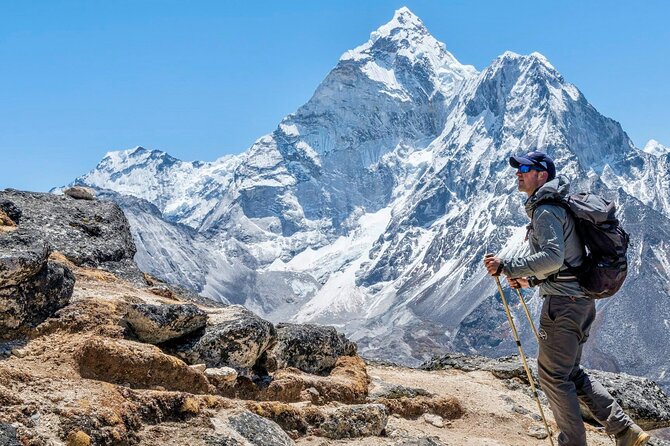
Namche Bazaar is one of the most memorable stops on the route. Its location in a steep mountain bowl makes it feel like a natural meeting point for the Khumbu. It is also where the trek begins to feel properly high-altitude.
The itinerary allows time in Namche as part of the gradual ascent. That matters. Acclimatization is not wasted time, and you should not treat it as an excuse to race ahead. A slower pace gives your body a better chance to adjust and gives your guide time to watch for signs of altitude trouble.
The guide is one of the most valuable parts of this package. The company’s trekking teams have received especially strong praise for patience, flexibility, and attention to each person’s condition. Ram is repeatedly singled out for keeping groups comfortable and adjusting the pace, while Rupak is noted for strong English and keeping group morale up.
Those names do not guarantee who will be assigned to your departure. Ask before booking if you have a preferred guide. More important than a particular name is having a guide who checks how you are feeling, understands altitude symptoms, and is willing to slow the group down.
More treks starting in Kathmandu:
- Nagarkot Sunrise View and Day Hiking from Kathmandu
★ 5.0 · 471 reviews - Annapurna Circuit Trek with Tilicho Lake
★ 5.0 · 368 reviews - Everest Base Camp Trekking – 13 Day
★ 5.0 · 365 reviews - Everest Base Camp Trek -14 Days
★ 5.0 · 321 reviews
Tengboche monastery and the cultural side of the route
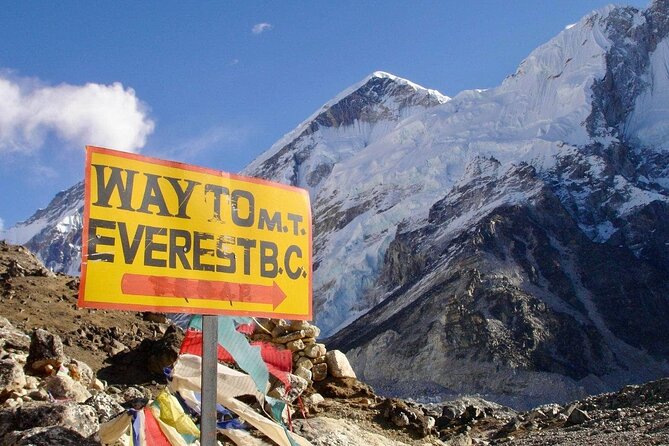
Tengboche adds a spiritual pause to a trek that could otherwise become all about mountain photographs. The monastery is a key cultural stop, and the surrounding views make it one of the route’s most memorable places to rest.
The route also passes through Sherpa villages, where architecture, prayer flags, mani stones, and monasteries provide a sense of place. Your guide can help explain what you are seeing, which is one reason a local guide is worth more than simply following a marked trail.
I like this combination of physical challenge and cultural contact. You are not only collecting views of Everest. You are moving through a region with its own religious traditions and mountain economy. The experience feels more grounded when you take time to notice the details instead of treating each village as a quick lunch stop.
Dingboche and the altitude test
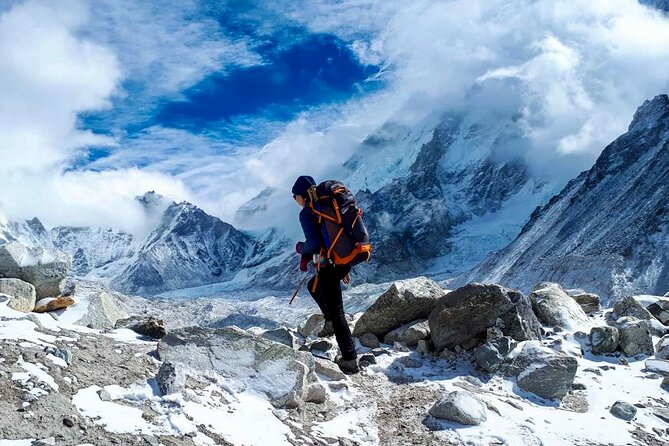
Dingboche is the point where the trek becomes more demanding. The air is thinner, the scenery is more exposed, and each climb asks more from your legs and lungs.
The itinerary includes acclimatization in Dingboche. Use that time sensibly. Walk slowly, drink regularly, and tell your guide if you develop a headache, nausea, unusual fatigue, or breathing problems. Do not try to hide symptoms to keep up with the group. The most useful trekking phrase here is slowly, slowly.
The supplied gear includes a duffel bag, sleeping bag, T-shirt, and map. That helps reduce the amount of equipment you need to arrange yourself, but it is not a full personal packing list. You still need suitable layers, sturdy footwear, sun protection, water arrangements, and any personal medication.
Luggage support is included in the overview, but porter service is listed as optional. One porter for two trekkers is recommended. If you hire a porter, agree on the cost and baggage arrangement in advance, and keep valuables, documents, medication, and a warm layer in your own daypack.
Everest Base Camp and the final push
The approach to Everest Base Camp is the emotional center of the trek. By this stage, you have passed forests, river valleys, villages, and monastery country. The route now feels stark and high, with the sense of a major objective getting closer.
Base Camp is famous, but expectations matter. You are not climbing Everest, and the view from Base Camp is not always the same as the classic profile seen from other viewpoints. Its value comes from standing at the start point of the world’s most famous mountaineering route and understanding the scale of the Khumbu from ground level.
This is also the section where the 10-day schedule matters most. The climb is physically demanding, and you may have little room to recover if you are tired or affected by altitude. The guide’s pacing and your own willingness to move slowly are more important than trying to meet an imagined speed record.
Kala Patthar at sunrise
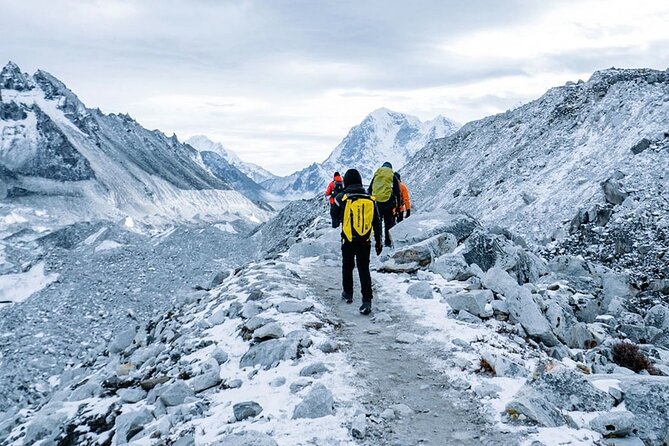
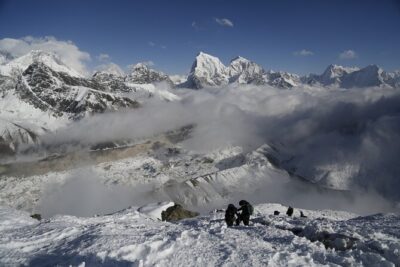
The hike to Kala Patthar is one of the strongest reasons to choose this route. The viewpoint gives you a close, dramatic look toward Everest and the surrounding peaks, especially in the early light.
Sunrise requires an early start and cold conditions. Bring your warmest layers and keep your camera accessible, but do not let photography distract you from footing or from how your body feels. Mountain mornings can be clear and spectacular, but visibility depends on weather.
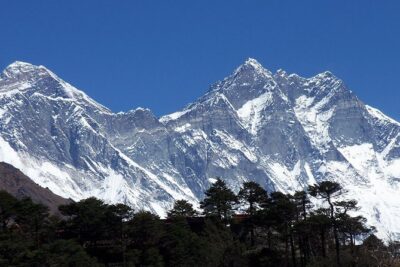
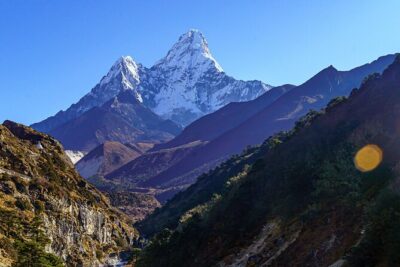
The trek’s best views are not limited to one summit. Along the route, you see changing angles of the high peaks, deep valleys, and glacial terrain. Kala Patthar works because it gives you time to stop and take in the scale of the mountains after several days of walking toward them.
Gorakshep to Lukla by helicopter
After the high-altitude section, the helicopter departure from Gorakshep is the trip’s unusual finale. It cuts out the long return walk and gives you a quick change from boots-on-trail travel to aerial sightseeing.
The flight is weather dependent, and the exact timing can shift. Helicopter capacity, conditions, and operating arrangements can affect how the flight works, so ask the operator for the current plan before departure.
The included domestic flights are described as Kathmandu or Manthali to Lukla round-trip, while the helicopter covers Gorakshep to Lukla. Confirm how the helicopter and onward domestic flight connect on your dates. This is especially important if your international flight from Kathmandu is scheduled soon after the trek.
What the $799 price really covers
At $799 per person, the price is attractive for a guided Everest Base Camp package with a helicopter segment. It includes private arrival and departure transfers, Kathmandu hotel accommodation with breakfast, required permits, domestic flights, standard guesthouses, a licensed English-speaking guide, selected trekking gear, a medical kit, government fees, and the farewell dinner.
That is a useful amount of administration taken off your hands. Permits and transport are not small details in Nepal, and having a local company coordinate them can prevent confusion when plans change.
The price is not all-inclusive. You pay separately for:
- Lunch and dinner in Kathmandu
- Breakfast, lunch, and dinner during the trek
- Optional porter service
- International flights
- Nepal visa
- Travel insurance
- Snacks, drinks, laundry, and tips
The insurance requirement deserves special attention. Your policy must cover medical treatment and high-altitude evacuation. Do not assume ordinary travel insurance is enough. Check the altitude limit and evacuation wording before you leave home.
Who will enjoy this 10-day trek
This experience suits you if you want the achievement of reaching Everest Base Camp but do not want to spend as many days walking back to Lukla. It also fits people who value organized permits, transport, a guide, basic equipment, and a small group rather than planning every detail independently.
You need moderate physical fitness. That does not mean you must be an elite athlete, but you should be ready for repeated days of uphill and downhill walking at altitude. The pace may feel hard, particularly around Dingboche, Gorakshep, and Kala Patthar.
The tour is less suitable if you want a relaxed holiday with guaranteed schedules, private hotel rooms, or restaurant-style meals throughout. Guesthouses are standard, weather can disrupt flights, and the 10-day timetable is compact.
A maximum of 15 people is a reasonable group size for a mountain trek. It is large enough to provide company but small enough for a guide to monitor the group more closely than on a large departure. If you prefer complete solitude or a private pace, ask about a private trip instead.
Small details that make the trip easier
Arrive with some cash for food, drinks, tips, and personal needs. The package includes a mobile ticket and booking confirmation at the time of purchase, but you should still confirm your flight departure point, the assigned guide, porter arrangements, and the helicopter plan.
Pack light, since a duffel bag is provided and porter service is optional. Keep your passport, insurance papers, medication, phone, charger, and warm clothing with you rather than placing them in checked or porter-held luggage.
Plan for patience. Flights to and from Lukla are sensitive to weather, and the helicopter return is also weather dependent. A flexible attitude is not just helpful here, it is part of sensible Himalayan planning.
Free cancellation is available if you cancel at least 24 hours before the local start time. Changes made within 24 hours are not accepted, and late cancellations are not refunded.
Should you book it?
I would choose this trip if your priority is maximum Everest experience in a short window. You still walk the famous route, spend time in Namche, Tengboche, and Dingboche, reach Base Camp, climb Kala Patthar, and then replace the return trek with a helicopter flight.
The strongest value comes from the combination of included permits, guide, flights, lodging, gear, transfers, and the helicopter segment. The weak point is the compressed schedule and the number of important costs left outside the headline price.
Book it if you can handle high-altitude walking, arrange proper evacuation insurance, and leave room for weather changes. If you prefer a slower, more forgiving trek, choose a longer itinerary with extra acclimatization days. For a fit visitor who wants the classic Everest route with a memorable shortcut home, this is a practical and exciting choice.
FAQ
Where does the Everest Base Camp trek begin?
The experience begins with pickup at Tribhuvan International Airport in Kathmandu, Nepal. The listed start time is 9:00 am.
How long does the experience last?
The trek and associated Kathmandu arrangements last approximately 10 days.
Is the helicopter ride included?
Yes. A helicopter ride from Gorakshep to Lukla is included in the package.
Are meals included?
Breakfast is included with the Kathmandu hotel stay. Lunch and dinner in Kathmandu, along with all meals during the trek, are not included.
Is porter service included?
Porter service is optional and costs extra. One porter for two trekkers is recommended.
What kind of insurance do I need?
You must have insurance that covers medical care and high-altitude evacuation. International flights and the Nepal visa are also not included.
More Helicopter Tours in Kathmandu
- Everest Base Camp Helicopter Tour landing at Hotel Everest View
★ 5.0 · 218 reviews - Everest Base Camp Trek with Helicopter Return from Gorakshep to Lukla
★ 5.0 · 161 reviews - Everest Base Camp helicopter tour with landing
★ 5.0 · 61 reviews - Everest Base Camp Helicopter Tour with Hotel Everest View Landing
★ 5.0 · 52 reviews
Recently added around Kathmandu
- Kathmandu : Swambhunath & Durbar Square Guided Half Day Tour★ 3.3 · 3 reviews
- Private Day Tour in Kathmandu Valley Rim with Bhaktapur Sightseeing★ 5.0 · 3 reviews
- From Kathmandu / Pokhara / Chitwan: River Rafting – 1 Day★ 4.6 · 3 reviews
- Nepali Cooking training & Cultural Homestay Experience★ 5.0 · 3 reviews
- Private 3-Hour Nagarkot Sunset Tour from Kathmandu★ 3.5 · 3 reviews
- From Kathmandu: Everest Base Camp Landing Helicopter Tour★ 5.0 · 3 reviews
- 4 UNESSCO World heritage sites of Kathmandu-private tour★ 5.0 · 3 reviews
- From Kathmandu Budget: 15 Day Everest Base Camp Trek★ 5.0 · 3 reviews
Everest Base Camp Treks, compared.
Everest Base Camp Helicopter Tour landing at Everest View Hotel
Read our review →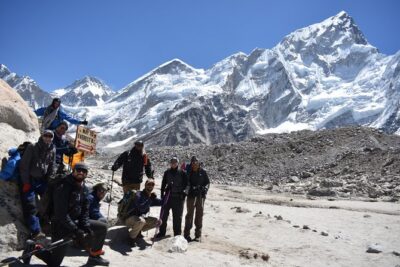
Everest Base Camp Helicopter Tour landing at Hotel Everest View
Read our review →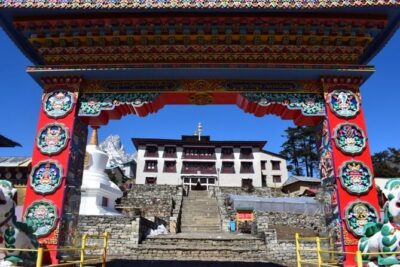
Browse the lists this tour appears in