
Reviewed · ANNAPURNA TREKS
Kathmandu: 10-Day Adventurous Annapurna Circuit Trek
The hardest and most rewarding part of this 10-day Annapurna Circuit trek is the crossing of Thorong La Pass at 5,416 meters. You start before dawn, climb through thin mountain air, then descend to Muktinath and its important Hindu and Buddhist shrine. That single day gives the trip its big test, but the route earns its keep through changing scenery, mountain villages, suspension bridges, and a sharp shift from green hills to dry Mustang terrain.
I like the thoughtful pace, especially the full acclimatization day in Manang, and I like the strong guide service. Guides including Prakash, Keshab, Mahesh, Bipin, Suresh, and Milani are praised for managing permits, meals, rooms, route changes, and altitude concerns. The main drawback is the long transport at both ends, plus a punishing 12-hour pass day. You need good fitness, warm layers, and travel insurance that covers high altitude.
In This Review
- Key points before you book
- Why the Annapurna Circuit still earns ten days
- Day 1: Kathmandu to Dharapani by road
- Day 2: Dharapani to Chame through forest and bridges
- Day 3: Chame to Upper Pisang and the first big views
- Day 4: Upper Pisang to Manang
- Day 5: A full acclimatization day in Manang
- Day 6: Manang to Yak Kharka at 4,050 meters
- Day 7: Yak Kharka to Thorong Phedi
- Day 8: Thorong La Pass to Muktinath
- Day 9: Muktinath to Jomsom and the Mustang change
- Day 10: Jomsom to Pokhara by bus
- Guides, organization, and the private-group advantage
- What to pack for this exact route
- Who should book this trek?
- Should you book the Annapurna Circuit trek?
- FAQ
- How long is the Annapurna Circuit trek?
- What is the highest point on the trek?
- Is a guide included?
- Are meals included?
- What accommodation is provided?
- What transport is included?
- Is there an acclimatization day?
- What is not included in the price?
Key points before you book
- Thorong La at 5,416 meters: The trek’s major challenge comes on a long 12-hour day from Thorong Phedi to Muktinath.
- A useful acclimatization stop: You spend a full day in Manang at 3,540 meters before climbing higher.
- A complete change of scenery: Green forests give way to alpine pasture, then dry, desert-like Mustang terrain near Jomsom.
- Guide-led private group: An English-speaking guide handles permits, lodging, meals, transport, and day-to-day decisions.
- $467 has solid value: The price covers permits, guide costs, trek accommodation, transport, and a Pokhara hotel, though some personal costs remain extra.
- Basic mountain lodging: Expect tea houses and guesthouses with simple comforts, not resort living.
Why the Annapurna Circuit still earns ten days
The Annapurna Circuit works because it changes almost every day. You begin with a long road journey from Kathmandu, then walk through forested valleys and villages before reaching the high Himalayas. After the pass, the route turns dry and open as you enter the Mustang region.
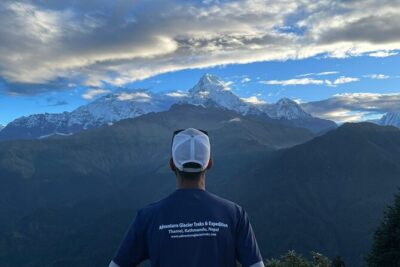
That variety gives you more than a high-altitude challenge. You see local villages, Buddhist and Hindu religious sites, grazing pasture, mountain rivers, and broad views of Annapurna II, Annapurna III, Gangapurna, and other peaks. You also experience how quickly weather, vegetation, and daily life change as you gain height.
This is not a gentle sightseeing holiday. The trek includes repeated uphill walking, high sleeping elevations, cold mornings, and one very long day. Still, the itinerary gives your body time to adjust, and the private-group format allows the guide to respond to your pace.
The advertised price is $467 per person. That is a strong package price for a guided Nepal trek because it includes trekking permits, the Trekkers’ Information Management System fee, government taxes, guide insurance, staff costs, nine nights of trek accommodation, transport, luggage storage, and one night at Hotel Orchid in Pokhara. Full Package guests also receive breakfast, lunch, and dinner during the trek.
Check exactly which meal plan applies to your booking. Drinks, bottled or boiled water, showers, laundry, snacks, battery charging, extra porters, and personal bills are not included. A private vehicle is available at extra cost, while the standard transport uses buses and a shared Jeep.
More Annapurna treks:
- Annapurna Circuit Trek with Tilicho Lake
★ 5.0 · 368 reviews - Annapurna base camp trek 5 Days
★ 5.0 · 252 reviews - Annapurna Base Camp Trek
★ 5.0 · 111 reviews
Day 1: Kathmandu to Dharapani by road
Your first day is mostly about reaching the trail. You take a bus from Kathmandu to Besisahar, then continue toward Dharapani by shared Jeep. Altogether, the drive takes about ten hours.
This is a practical but tiring start. You do not get a warm-up hiking day, and road conditions can make the journey feel longer than the clock suggests. The reward is reaching Dharapani at 1,800 meters, where the walking portion begins the next morning.
The shared Jeep keeps the cost down, but it also means less personal space and less control over stops. If you value comfort or have a larger group, ask about the private vehicle option before booking. Your night in Dharapani gives you a chance to repack your daypack, check your boots, and keep only what you need for the next day’s walk.
Day 2: Dharapani to Chame through forest and bridges
The six-hour walk to Chame brings the first real taste of the route. You climb through lush forest, cross suspension bridges, and watch the surroundings change as the altitude increases.
Chame sits at 2,670 meters, high enough for the air to feel different but still low enough to offer a manageable introduction. The day has steady uphill sections rather than one single wall of climbing. Your guide sets the rhythm, and you should resist the urge to race early in the trip.
Mountain guesthouses provide basic comfort. You can expect a simple village stay rather than polished hotel service. That is part of the point here, but it also means you should carry a sleeping bag, headlamp, warm clothing, and a personal first aid kit.
Day 3: Chame to Upper Pisang and the first big views
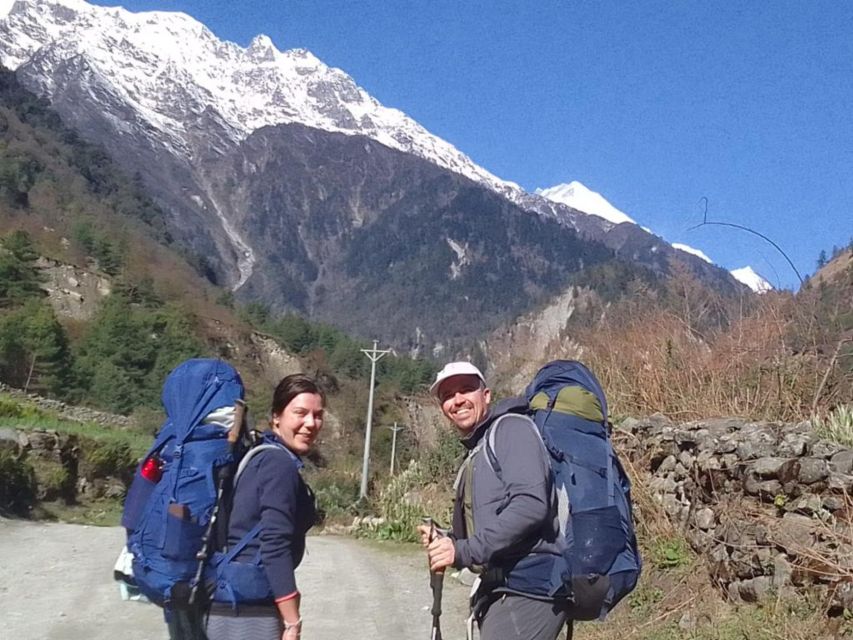
The route continues for about six hours to Upper Pisang at 3,300 meters. The village is known for its mountain views and traditional setting, and this is a good day to slow down and look around rather than focus only on the trail ahead.
Upper Pisang gives you a stronger sense of the local culture. The walking environment feels more alpine, and the surrounding peaks become a larger part of the day. You may find the air noticeably colder here, especially after sunset.
This is also where pacing begins to matter. Drink regularly, walk slowly on climbs, and tell your guide about headaches, nausea, unusual tiredness, or poor sleep. Guides such as Keshab, Milani, and Prakash have been praised for giving practical altitude advice and adjusting plans when conditions or personal needs required it.
More treks starting in Kathmandu:
- Everest Base Camp Trek – 14 Days
★ 5.0 · 1,499 reviews - Everest Base Camp Trekking
★ 5.0 · 485 reviews - Nagarkot Sunrise View and Day Hiking from Kathmandu
★ 5.0 · 471 reviews - Everest Base Camp Trekking – 13 Day
★ 5.0 · 365 reviews
Day 4: Upper Pisang to Manang
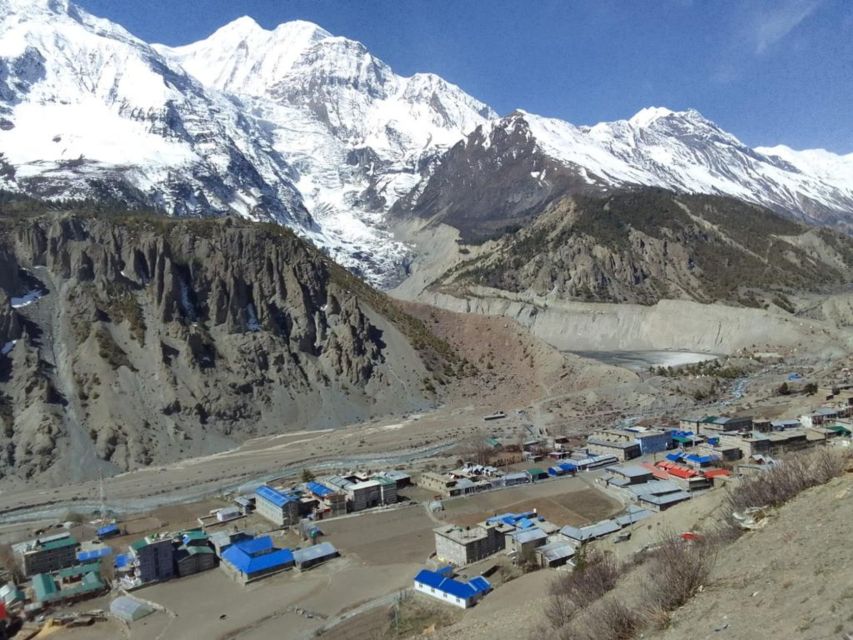
The six-hour trek to Manang reaches 3,540 meters and brings you into a broad valley framed by major Himalayan peaks. Annapurna II, Annapurna III, and Gangapurna are among the views you may see along the route.
Manang is more than a place to sleep. It is the main rest and adjustment point before the high section of the trek. You have arrived at an altitude where the effects of thin air can become more serious, so the next day is essential.
The walk itself may feel easier than the pass day, but do not treat Manang as a race checkpoint. The best strategy is a slow pace, steady water intake, and a light evening. Your guide can help arrange meals and lodging, leaving you free to recover.
Day 5: A full acclimatization day in Manang
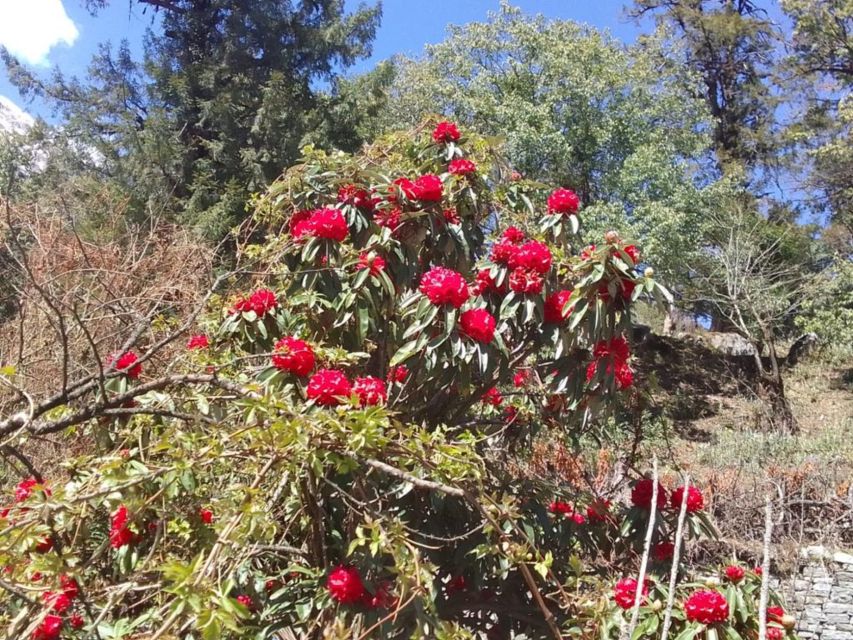
A rest day does not mean doing nothing. You spend the day in Manang, exploring the village and enjoying mountain views while allowing your body to adjust to 3,540 meters.
The itinerary wisely places this break before Yak Kharka and Thorong Phedi. Skipping or shortening acclimatization can turn a difficult trek into an unsafe one. Your guide should monitor how you feel and help decide how much walking is sensible.
This is also a good day to inspect your gear. Make sure your boots are comfortable, your water supply is ready, and your warm layers are easy to reach. Keep your passport or ID, cash, sunscreen, sunglasses, hat, and camera in your daypack. You should not need to open your main luggage during the day.
Day 6: Manang to Yak Kharka at 4,050 meters
The route climbs for about six hours to Yak Kharka, a high grazing area at 4,050 meters. The forest has mostly given way to open alpine terrain, and the mountains feel closer and more severe.
Yak Kharka is a quiet stop, with fewer comforts and a colder feel than the lower villages. The appeal is the setting: broad high-country views, grazing land, and a sense that you are now properly in the high Himalayas.
At this altitude, small problems can grow quickly. Walk at the speed of the slowest person in your group, eat even if your appetite is reduced, and report symptoms early. The guide’s role becomes especially important here. Several guides on this trip have been praised for putting safety and comfort ahead of speed.
Day 7: Yak Kharka to Thorong Phedi
The six-hour walk to Thorong Phedi reaches 4,450 meters, the base area for the pass crossing. The day is shorter than the next one, but it still asks a lot from your legs and lungs.
Thorong Phedi is a preparation stop. You need to arrive with enough energy for the early start and long crossing ahead. Organize your clothing, headlamp, water, snacks, camera, and trekking poles before going to sleep.
The accommodation remains basic. You are paying for a guided high-altitude route, not luxury rooms in the mountains. Bring a sleeping bag, and expect cold conditions. A good jacket, warm socks, gloves, hat, and layers will matter far more than extra casual clothing.
Day 8: Thorong La Pass to Muktinath
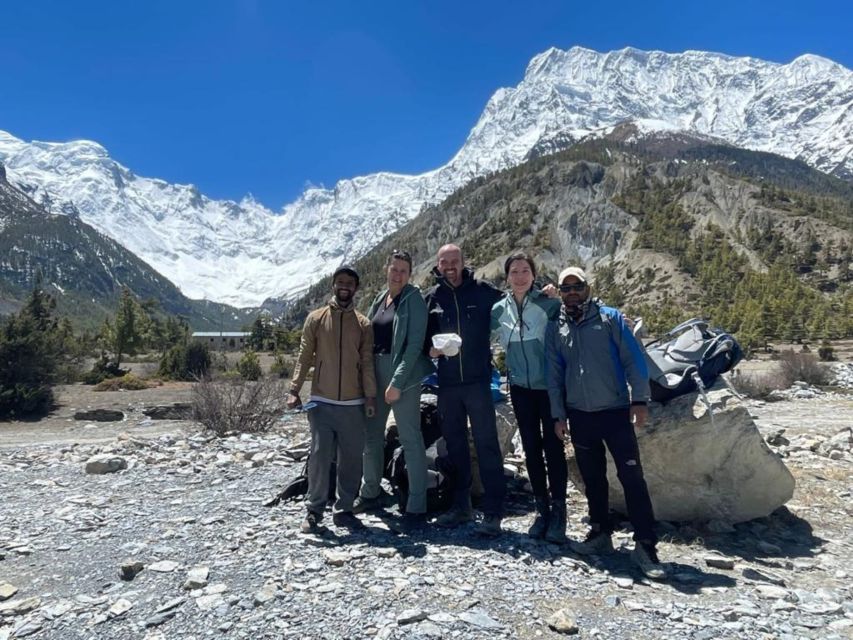
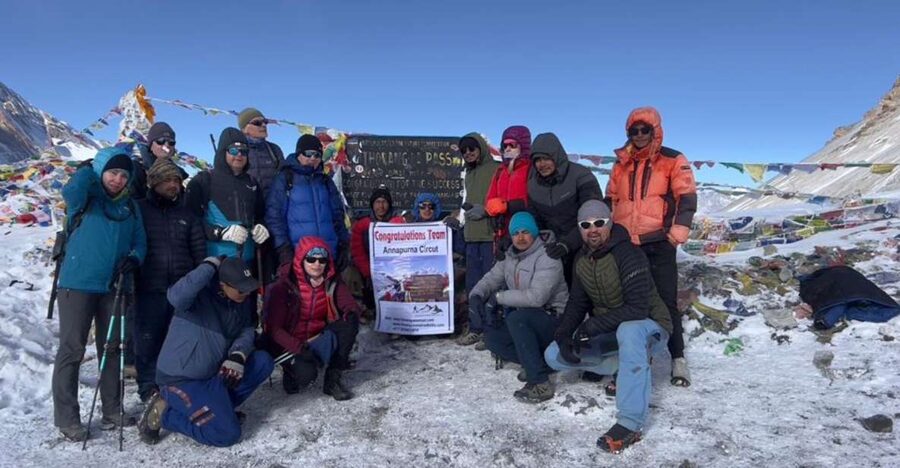
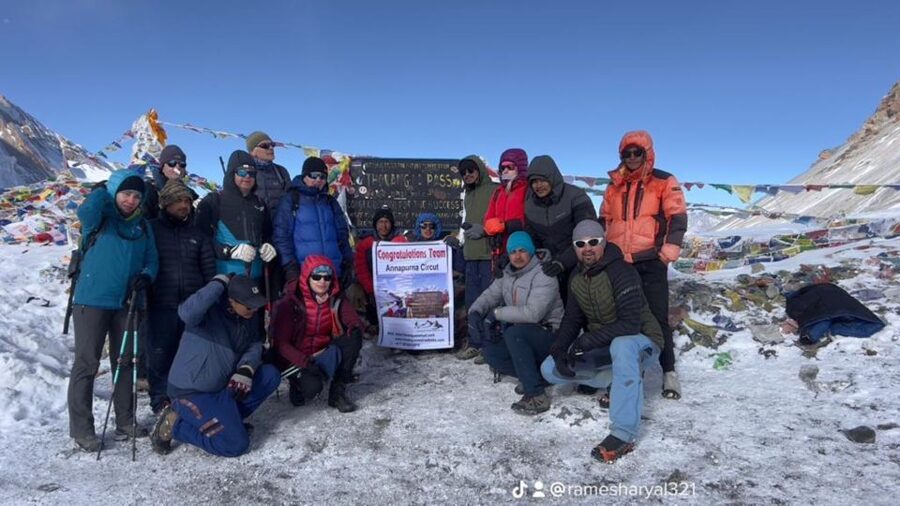
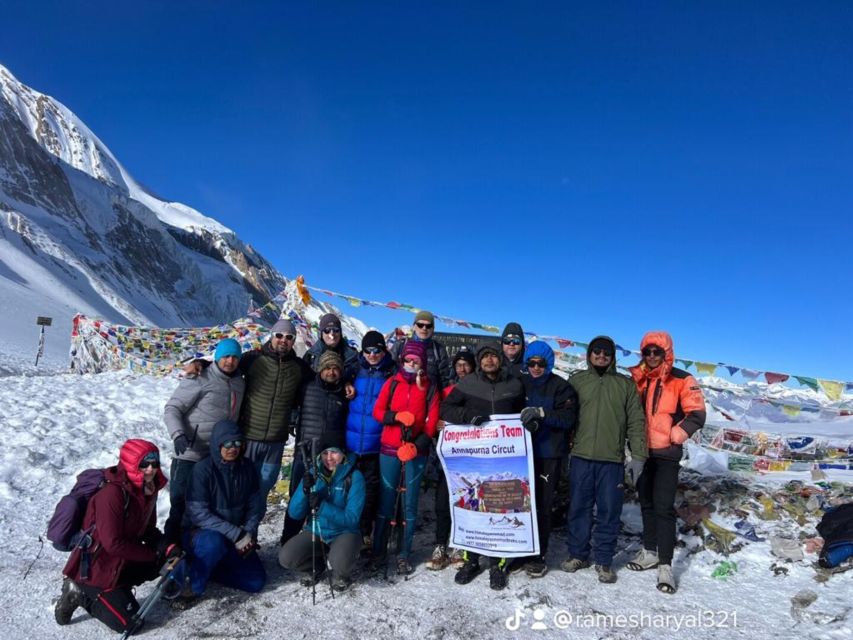
This is the defining day: roughly 12 hours from Thorong Phedi to Muktinath, via the 5,416-meter Thorong La Pass.
You start early for the climb. The ascent is challenging because the air is thin and the trail gains height steadily. The pass itself offers broad mountain views and the satisfaction of reaching the trek’s high point, but you should not linger longer than conditions and your guide allow.
The descent to Muktinath is long and can be hard on tired knees. Still, reaching 3,800-meter Muktinath gives the day a powerful finish. The site is sacred to both Hindus and Buddhists, and it adds a cultural dimension to what could otherwise be just a mountain endurance test.
This is the day when fitness, pacing, weather, and altitude awareness all matter. You need suitable boots, water, sun protection, a flashlight or headlamp, and warm clothing. Travel insurance with high-altitude rescue coverage is not included in the package, so arrange it yourself before departure.
Day 9: Muktinath to Jomsom and the Mustang change
The five-hour descent to Jomsom drops you to 2,720 meters. The scenery changes sharply as you enter the Mustang region, with dry, open, desert-like terrain replacing the greener valleys lower down.
Jomsom is known as a windy town, so keep your hat and loose gear secure. The lower altitude can feel easier after the pass, but tired legs and the rough trail still deserve care.
This is one of the route’s most interesting transitions. You are not simply retracing your steps downhill. The climate, colors, and shape of the surroundings change, giving the final walking day a distinct character.
Day 10: Jomsom to Pokhara by bus
The final transfer is an approximately eight-hour bus journey from Jomsom to Pokhara. It is another long road day, but it lets you finish the circuit without adding extra walking days.
Once in Pokhara, you check into Hotel Orchid, described as a tourist-standard luxury hotel, and attend a farewell Nepalese dinner in Lakeside Pokhara. After several nights in basic mountain guesthouses, this final night gives you time to shower, rest, and reflect on the pass crossing.
The package also includes a luxury sofa-seater tourist air-conditioned bus from Pokhara to Kathmandu. That return transport is useful if your wider Nepal plan ends in the capital, but it is worth checking the exact schedule when arranging flights or other connections.
Guides, organization, and the private-group advantage
The guide is the most important part of a trek like this. A licensed English-speaking guide leads the trip, and the company covers staff meals, accommodation, salary, equipment, insurance, and transport.
The named guides associated with this route include Prakash, Keshab, Mahesh, Bipin, Suresh, Milani, Jeet, and Silwal. The strongest pattern is careful organization. Guides are described as arranging tea houses, permits, meals, transportation, and route changes while keeping a close eye on comfort and altitude.
Trip coordinator Ramesh is also repeatedly praised for quick replies and practical support before, during, and after the trek. That support can matter when a bag needs to be moved from Kathmandu to Pokhara, rented sleeping bags need returning, or road and trail conditions call for a change.
You also get a private group rather than a large shared party. That can make it easier to set a sensible pace and ask for help when you need it. A porter is not included in the listed guide service, so budget for one if you do not want to carry your own main luggage.
What to pack for this exact route
Your daypack should hold water, sunscreen, sunglasses, a hat, camera, cash, snacks if desired, a first aid kit, and an extra layer. Keep your passport or ID accessible for permits and transport.
For the trek itself, bring:
- Comfortable hiking boots
- Trekking poles
- Warm layers and a jacket
- Wool or warm socks
- Sleeping bag
- Headlamp or flashlight
- Water bottle
- Gloves and hat
- Basic trekking gear
- Travel insurance documents
Mountain weather can shift from clear sunshine to rain or snow. Layering works better than relying on one heavy coat. You should also pack with limited charging and shower access in mind, since battery recharge and showers cost extra.
Food during the Full Package includes breakfast, lunch, and dinner. Dal bhat, lentils with rice, is a practical local staple, and other food options are available. Soft drinks, hard drinks, bottled or boiled water, and personal snacks are separate expenses.
Who should book this trek?
You should consider it if you want a classic Himalayan route with a major pass, changing terrain, village stays, and a guide who handles the daily details. It suits fit hikers who can manage six-hour walking days and one 12-hour day at high altitude.
It is also a good first Nepal trek for someone who wants support. Ethan described the varied terrain and structured elevation gain as a strong introduction to Himalayan hiking, while Kane found it a good first trek in Nepal. You do not need to arrange every permit, room, meal, and road transfer yourself.
You should think twice if you dislike long bus journeys, simple guesthouses, cold nights, or uncertain mountain conditions. The route is not suitable for pregnant women, and anyone with health concerns should seek medical advice before booking. Most important, do not treat the $467 price as your total Nepal budget. Insurance, drinks, water, personal spending, gear rental, and possible extra porters come on top.
Free cancellation up to 24 hours before the activity and reserve-now, pay-later terms make planning easier. Still, your main decision should be physical readiness and comfort with high altitude, not booking flexibility.
Should you book the Annapurna Circuit trek?
I would book this trek if you want a well-supported, high-value introduction to Nepal’s Annapurna region and you are prepared for the Thorong La day. The combination of permits, guide costs, trek lodging, meals for Full Package bookings, ground transport, and a Pokhara hotel is a lot for $467.
The best reasons to choose it are the acclimatization day in Manang, the private-group setup, and the strong focus on guide care and organization. The main cautions are the two long transport days, basic tea houses, personal expenses, and the physical demands of altitude.
Pack light, train for long uphill walks, insure yourself for high-altitude rescue, and ask which meal package and transport option your price covers. If you do that, this is a practical way to reach Thorong La without having to manage the route alone.
FAQ
How long is the Annapurna Circuit trek?
The activity lasts 10 days, including transport from Kathmandu to the trail, nine nights during the trek, one night in Pokhara, and the return journey to Pokhara by bus.
What is the highest point on the trek?
The highest point is Thorong La Pass at 5,416 meters, or 17,769 feet.
Is a guide included?
Yes. The package includes an authorized English-speaking guide and the guide’s insurance. A porter is not included and costs extra.
Are meals included?
Breakfast, lunch, and dinner are included during the trek for Full Package bookings. Soft drinks, alcoholic drinks, bottled or boiled water, and personal snacks are not included.
What accommodation is provided?
The trek includes nine nights in comfortable basic tea houses or guesthouses. The final night is at Hotel Orchid in Pokhara, described as a tourist-standard luxury hotel.
What transport is included?
Transport includes a bus from Kathmandu to Besisahar, a shared Jeep from Besisahar to Dharapani, and a bus from Jomsom to Pokhara. A luxury sofa-seater tourist air-conditioned bus from Pokhara to Kathmandu is also included.
Is there an acclimatization day?
Yes. Day 5 is a full acclimatization and rest day in Manang at 3,540 meters.
What is not included in the price?
International flights, the Nepalese visa fee, travel and rescue insurance, personal expenses, drinks, water, showers, laundry, phone calls, battery charging, extra porters, and extra nights caused by schedule changes are not included.
Recently added around Kathmandu
- Private Day Tour in Kathmandu Valley Rim with Bhaktapur Sightseeing★ 5.0 · 3 reviews
- Kathmandu : Swambhunath & Durbar Square Guided Half Day Tour★ 3.3 · 3 reviews
- From Kathmandu / Pokhara / Chitwan: River Rafting – 1 Day★ 4.6 · 3 reviews
- Nepali Cooking training & Cultural Homestay Experience★ 5.0 · 3 reviews
- Private 3-Hour Nagarkot Sunset Tour from Kathmandu★ 3.5 · 3 reviews
- From Kathmandu: Everest Base Camp Landing Helicopter Tour★ 5.0 · 3 reviews
- 4 UNESSCO World heritage sites of Kathmandu-private tour★ 5.0 · 3 reviews
- From Kathmandu Budget: 15 Day Everest Base Camp Trek★ 5.0 · 3 reviews
Annapurna Treks, compared.
Kathmandu to Annapurna Base Camp (ABC) 5-Day Trek
Read our review →
Browse the lists this tour appears in