
Reviewed · WORKSHOPS
Knife Khukuri Making Workshop
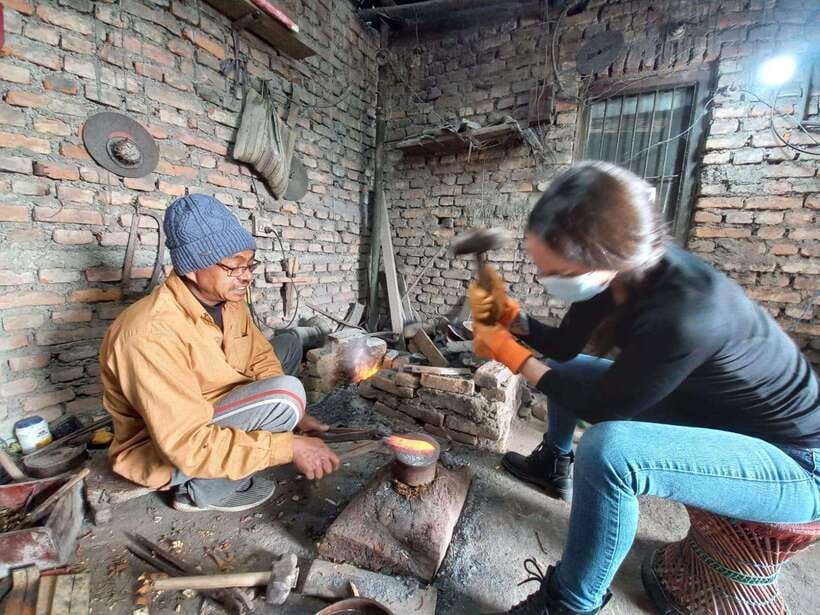
The hot metal is the star here. In a family workshop in Nepal’s Bagmati Zone, you help turn a rough piece of iron into a small, sharp six-inch khukuri, working beside a blacksmith with more than 40 years of experience. I like the honest, hands-on nature of it, and I like that your finished knife is a useful souvenir rather than a trinket.
I also like the local welcome: hotel pickup, tea, snacks, and time with the blacksmith and his family. Guides such as Namrata, Sajeena, and Swayam explain the craft and cultural meaning in English or Hindi. The main consideration is safety. You do not complete every stage yourself, and the host handles the final grinding and sharpening. Expect sparks, heat, and a real workshop, not a polished tourist attraction.
In This Review
- Key points to know before booking
- Why a khukuri makes a better souvenir than a standard market purchase
- Meeting the blacksmith in his home workshop
- Hammering a raw piece of iron into a blade
- Grinding the blade, with safety first
- Watching the handle and cover complete the knife
- Four hours, a small group, and a personal pace
- What the $73 price really covers
- The local connection is part of the value
- Who should book this khukuri workshop
- Should you book the Knife Khukuri Making Workshop?
- FAQ
- How long does the Knife Khukuri Making Workshop last?
- How large is the group?
- What parts of the knife-making process can I do?
- Is the finished knife included?
- What should I wear?
- Can children join the activity?
Key points to know before booking
- Work beside a master blacksmith: The maker has more than four decades of experience shaping khukuri knives.
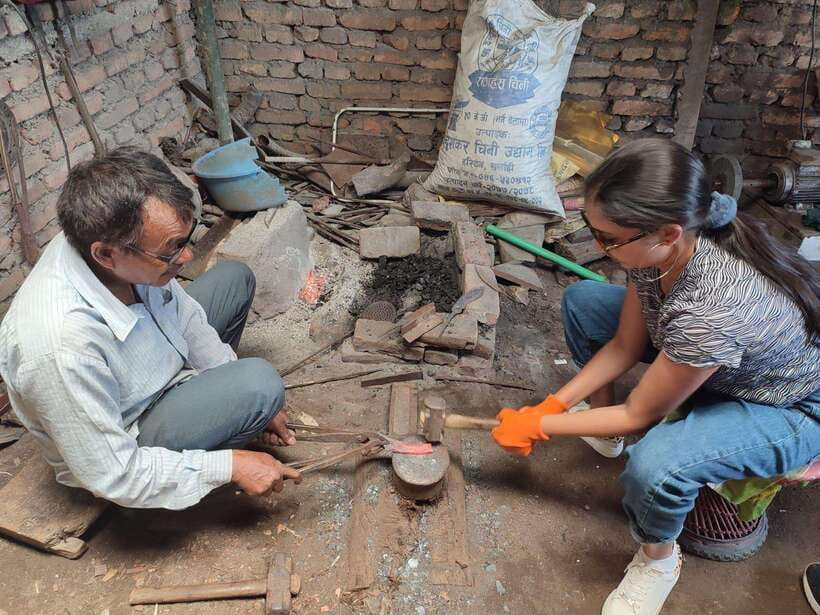
- Take part in the safer steps: You hammer the iron and help with the first grinding, while the host handles the most difficult and hazardous work.
- Learn why the khukuri matters: The knife is tied to Gurkha identity, Nepal’s hill communities, Hindu symbolism, and daily practical use.
- Receive a useful keepsake: Your small finished khukuri comes with a knife cover. Horn or bone decoration costs extra.
- Enjoy a personal visit: Groups are limited to five, with hotel pickup, return transport, tea, water, and snacks included.
- Plan for workshop conditions: Wear long pants, stay clear of sparks, and do not bring children under 10.
Why a khukuri makes a better souvenir than a standard market purchase
Nepal’s khukuri is not simply a curved knife sold to tourists. It is a working tool, a cultural emblem, and a symbol linked to the loyalty and courage of Gurkha soldiers. Its broad, slightly curved blade can be used for cutting timber, chopping meat, and preparing vegetables.
The blade is made from tempered steel and is known for its sharpness. The handle is commonly made from wood or buffalo horn. A small notch near the handle has both a practical and symbolic role. It helps stop blood from running toward the handle, and it represents the Hindu Trinity of Brahma, Vishnu, and Shiva.
The finished knife also has a scabbard made from wood and leather. That cover is included, so you can carry the khukuri home as a complete piece rather than as a loose blade. If you want a horn or bone cover, you can arrange that for an additional cost.
I find this context useful because it changes how you see the activity. You are not just making a blade. You are learning why its shape, notch, handle, and cover matter. The small size also makes sense for a souvenir. The workshop produces a six-inch blade, not one of the large ceremonial or heavy working khukuris you may see elsewhere.
More workshops and classes in Kathmandu:
- Half day cooking class in Thamel kathmandu
★ 5.0 · 607 reviews - Kathmandu: Local Women-Led Nepali Cooking & Momo Class
★ 4.9 · 360 reviews - Kathmandu: Local Lead Nepali Cooking & Momo-Making Class
★ 5.0 · 212 reviews
Meeting the blacksmith in his home workshop
Your day begins with pickup from your hotel lobby. The activity provider, I. Experience Nepal Trek And Tour, includes transport both ways, which removes one of the less pleasant parts of arranging a visit to a local workshop. Transport received a perfect score from 86 percent of participants, and that matters in Nepal, where finding a small home-based craft studio on your own may not be simple.
The workshop is a blacksmith’s home, not a large factory or staged production floor. That gives the visit a personal feel. You see the setting where the knife maker has practiced his trade for decades, and you meet the people behind the work.
Your guide acts as translator and interpreter. English and Hindi are available, and guides named in the booking details include Namrata, Sajeena, and Swayam. Their role is important because the blacksmith’s work moves quickly and involves specialist terms. A good guide helps you follow each stage, ask questions, and understand the khukuri’s place in Nepali life.
The family hospitality is part of the experience. Tea, water, and snacks are included, and past visits have included tea and fruit from the family garden. Do not expect a formal meal or a long cultural lecture. This is a working home and smithy, where the main event is the knife taking shape.
Hammering a raw piece of iron into a blade
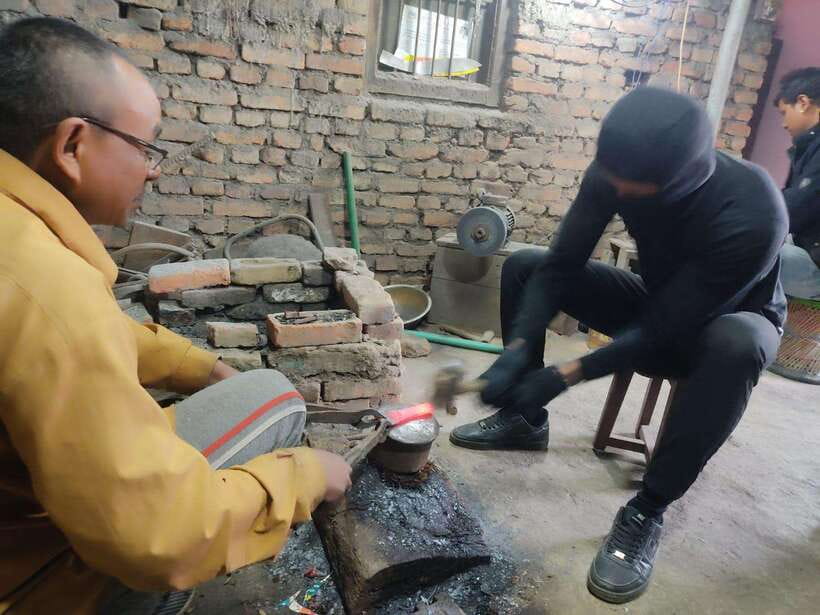
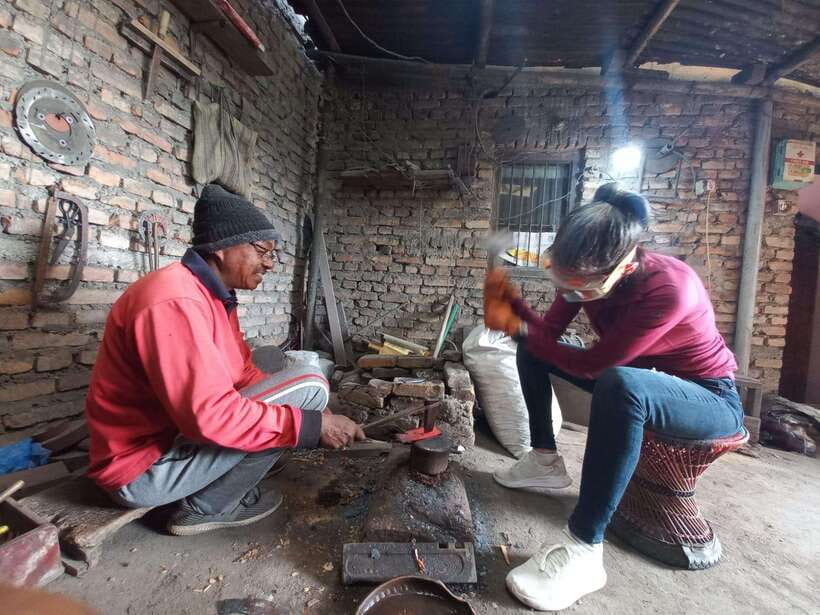
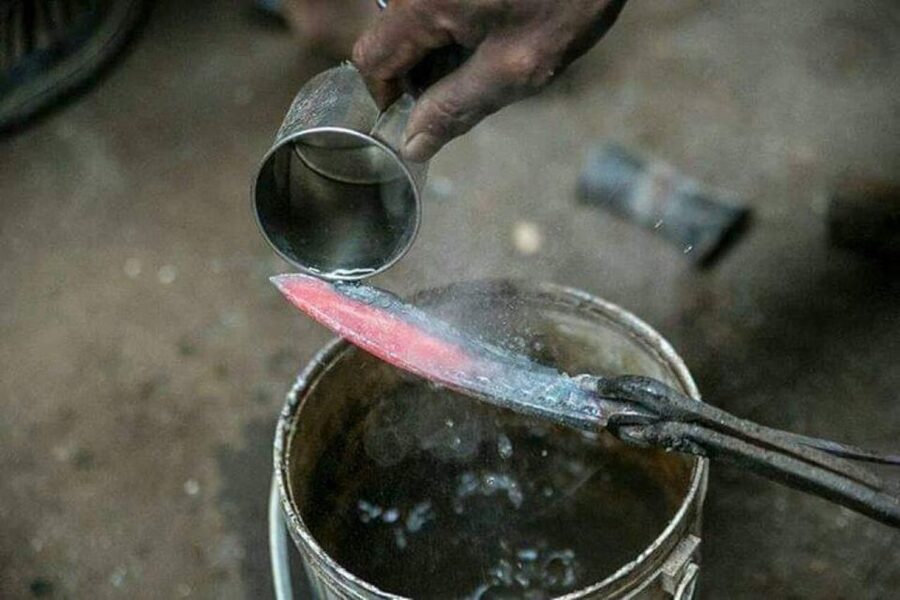
The first real task is hammering. The host begins with a raw piece of iron and shows you how repeated blows start to spread and shape the metal. You get to take part in this stage, though the blacksmith guides the work and completes the demanding sections.
This is the moment when the activity feels most physical. You hear the hammer strike, watch the metal change, and gain a quick sense of how much strength and timing the trade requires. A few swings do not make you a blacksmith, of course. They do give you respect for the years behind the finished blade.
The blacksmith forms the distinctive khukuri shape. That curved profile is not an easy outline to produce, and this is one of the reasons the host takes over certain parts. Your participation is real, but it is controlled. The goal is a safe and attractive knife, not a test of endurance.
I appreciate that the experience does not pretend you can learn a traditional craft in four hours. You handle the hammering and other suitable tasks. The expert handles the parts that demand years of training. That balance gives you involvement without putting the final product at risk.
Grinding the blade, with safety first
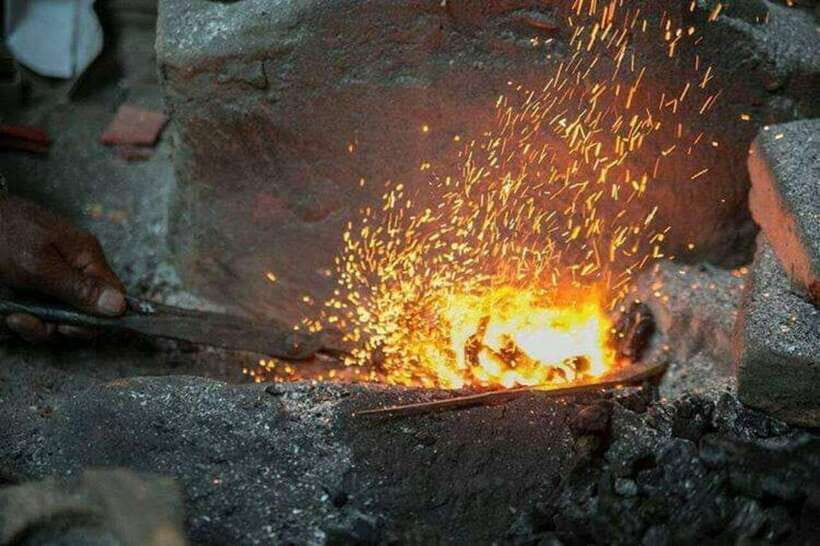
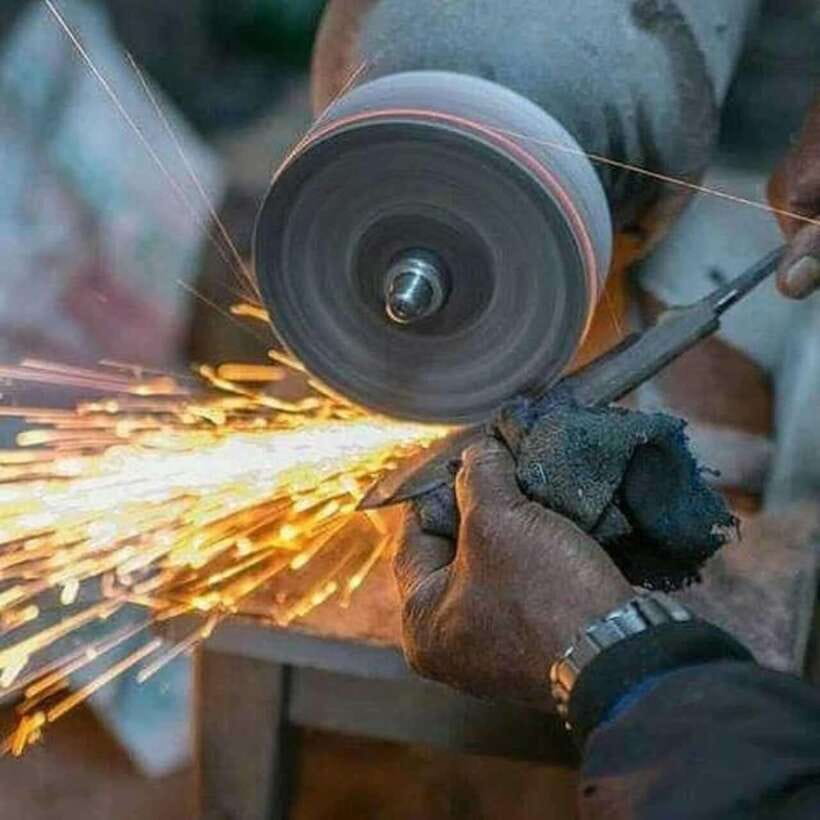
Once the rough form is ready, you take part in the first grinding stage. This lets you feel another part of the process and helps smooth the early shape. The host then completes the more dangerous grinding and sharpening.
This limitation is worth understanding before you book. The grinding process creates sparks, and the instructions specifically tell you to stay clear while the host works. You are not expected to operate every machine or finish the sharp edge yourself.
Some people may want a full bladesmithing lesson, from raw metal to final edge. This is not that. It is a guided introduction, with the skilled maker completing the precision work. In practical terms, that is a sensible arrangement. A knife that looks good and cuts properly requires more than enthusiasm and a few swings of a hammer.
Wear long pants. That is the stated clothing requirement, and it is good common sense for a hot, active workshop. Keep loose clothing and bags away from the work area, follow the guide’s directions, and treat the finished blade as a real sharp tool.
A completely different sort of day in Kathmandu:
- Everest Base Camp Trek – 14 Days
★ 5.0 · 1,499 reviews - Private Kathmandu Sightseeing Tour | UNESCO World Heritage sites
★ 5.0 · 756 reviews - Everest Base Camp Helicopter Tour landing at Everest View Hotel
★ 5.0 · 668 reviews - Everest Base Camp Trekking
★ 5.0 · 485 reviews
Watching the handle and cover complete the knife
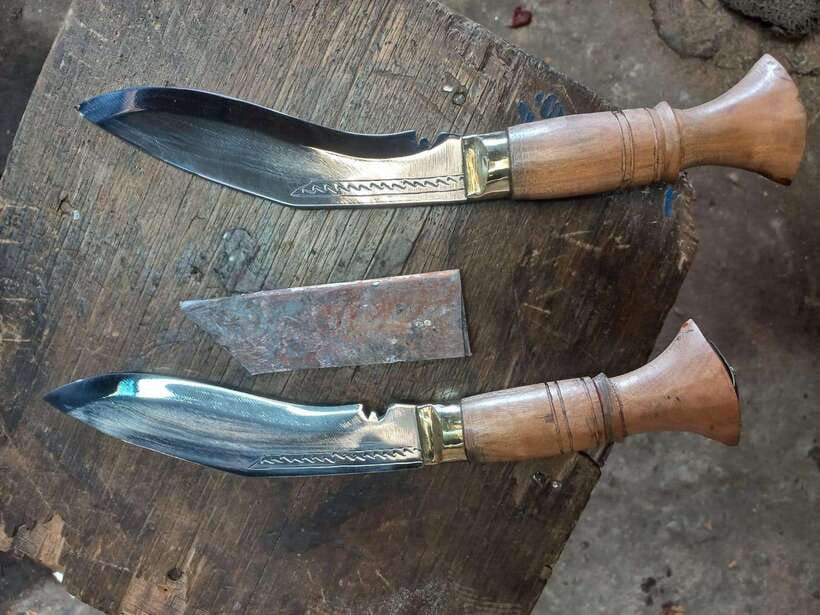
The blade is only part of the khukuri. The handle gives it balance and makes it usable. Khukuri handles are commonly made from wood or buffalo horn, and the completed knife is placed in a wood and leather scabbard.
The activity information describes handle-making as part of the process, while the listed hands-on steps focus on hammering and the first grinding. That means you should expect to see the host complete some of the handle and finishing work rather than assume you will personally make every component.
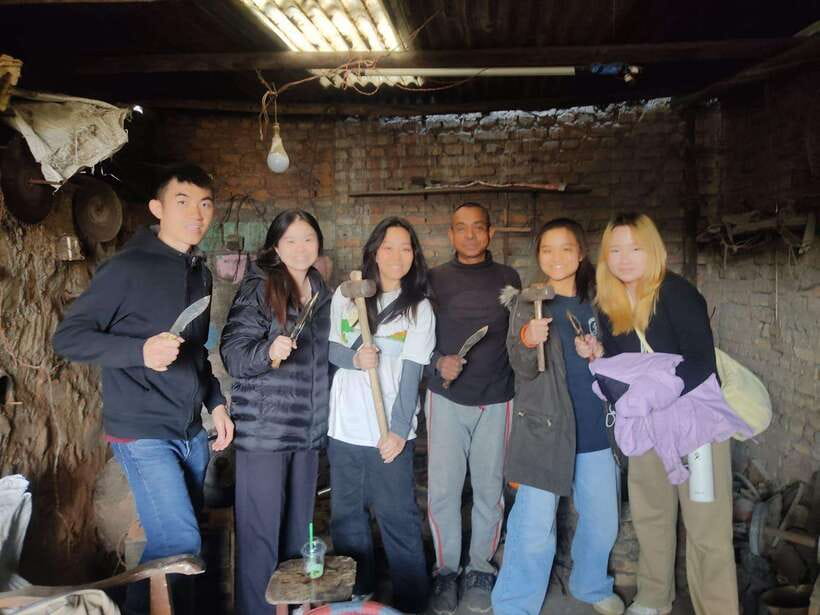
The result is a small knife with a story attached to it. You begin with raw metal and leave with a shaped blade, handle, and cover. Several people who booked the experience brought the knife home and found it admired for both its appearance and sturdiness.
A horn or bone cover is not included in the $73 price. You can request one at extra cost if that detail matters to you. The standard cover is already included, so the basic package still gives you a proper finished souvenir.
Four hours, a small group, and a personal pace
The advertised duration is four hours. That includes pickup, the workshop visit, explanations, refreshments, and return transport, so the actual hammering and grinding will not occupy every minute. Some visits have completed the knife-making portion in less than three hours, but you should keep the full four-hour window free.
The group limit is five people. That is a strong point for this kind of activity. A large group would make a small home workshop crowded and would leave little room for each person to use the tools. With five or fewer, you have a better chance to ask questions and get direct help.
The experience can suit different ability levels because you decide how much you do within the safe steps. One family used the flexibility to include older children, with assistance as needed, although the formal rule excludes children under 10. Follow the age requirement even if a younger child is interested in knives or metalwork.
The English and Hindi options also help keep the visit conversational. This is not a silent demonstration. You can ask about the blade, the craft, Nepali customs, and the blacksmith’s working life through the guide.
What the $73 price really covers
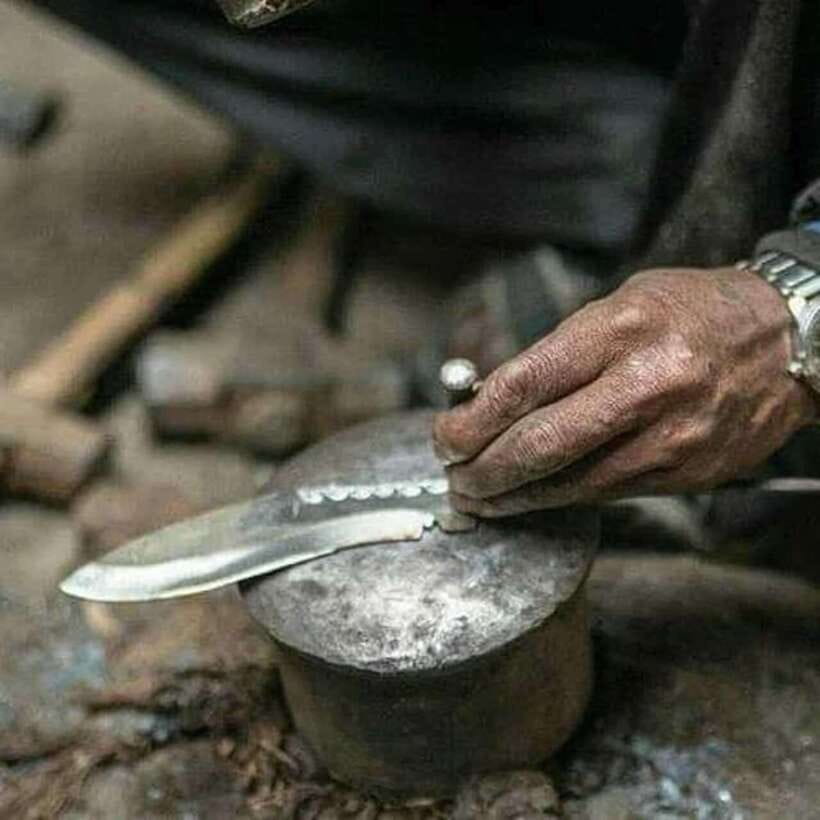
At $73 per person, this is more expensive than buying an ordinary knife in a market. The comparison is not quite fair, though. You are paying for transport, a four-hour guided visit, the tools and materials, the blacksmith’s time, refreshments, the finished knife, and its cover.
The stronger value is the access. You are taken to a local family workshop, meet an artisan with more than 40 years of experience, and take part in selected stages of the work. The knife gives you a physical reminder of the visit, while the explanations give you a better understanding of something you might otherwise see only behind a market stall.
I would book it if you want a meaningful object and enjoy watching skilled handwork. I would skip it if your main aim is to buy the cheapest khukuri or if you want to personally control every step of the blade-making process.
The price also includes hotel pickup and drop-off, which saves you from arranging separate transport. Reserve now and pay later is available, and cancellation is free up to 24 hours before the activity for a full refund. Those terms are useful if your Nepal schedule is still changing.
The local connection is part of the value
The best part of this activity may be the time spent with the maker and guide rather than the hammer itself. The blacksmith’s home workshop lets you see a family trade at close range. The guide fills in the cultural details and helps the conversation move naturally.
Names such as Indra appear in the workshop experience, while Namrata, Sajeena, and Swayam are among the guides who may lead the visit. You should confirm your assigned guide when booking, but the format is clear: a guide collects you, explains the process, and translates as needed.
The family setting can include small touches such as tea, fruit, and conversation about Nepalese customs. These details make the visit feel less like a quick demonstration and more like an introduction to local people. I especially value that your payment supports a working artisan and his family rather than only a large souvenir business.
Some arrangements can be added by request. One visit included refreshments and an eagle-feeding activity from a hilltop. That is not part of the standard package, so treat it as an optional addition rather than something guaranteed. Ask before booking if you want to explore extras.
Who should book this khukuri workshop
This is a good fit for adults who like practical crafts, cultural history, and souvenirs with a clear connection to place. It also suits couples, small families with children aged 10 or older, and anyone looking for something beyond temples and sightseeing.
You do not need blacksmithing experience. The host directs you through the safe tasks, and the guide explains what is happening. You should be comfortable around heat, hammering, metal, and sparks, even though the most hazardous work is handled for you.
It is less suitable for someone who dislikes workshop conditions or wants a completely hands-off cultural visit. It is also not a good choice for children under 10. Long pants are required, and the finished knife is sharp, so plan how you will pack and transport it after the activity.
Should you book the Knife Khukuri Making Workshop?
I would book this experience if you have four spare hours in Nepal and want a souvenir with genuine meaning. The combination of a skilled blacksmith, a small group, hotel transport, cultural explanation, and your own work on the metal gives the $73 price solid value.
Go in with the right expectation. You will not independently forge, sharpen, and finish a khukuri from start to end. You will hammer the iron, help with the first grinding, watch the expert complete the difficult work, and leave with a finished six-inch knife.
That is not a weakness. It is what keeps the activity safe and produces a quality result. If you value personal contact, local craft, and a sturdy keepsake over a standard shopping trip, this is one of the more memorable ways to spend part of a Nepal itinerary.
FAQ
How long does the Knife Khukuri Making Workshop last?
The activity lasts four hours, including the workshop visit and included pickup and drop-off. Check the available starting times when booking.
How large is the group?
The experience is limited to five participants, making it a small-group activity.
What parts of the knife-making process can I do?
You participate in hammering the iron and the first grinding. The host handles the more difficult and hazardous grinding and sharpening for safety reasons.
Is the finished knife included?
Yes. You take home the small six-inch khukuri you helped create, along with a knife cover. A horn or bone cover costs extra.
What should I wear?
Wear long pants. You should also follow the host’s instructions and stay clear of sparks during the grinding process.
Can children join the activity?
Children under 10 are not permitted. Older children may participate within the safety rules, with the host and guide providing assistance as needed.
Recently added around Kathmandu
- Kathmandu : Swambhunath & Durbar Square Guided Half Day Tour★ 3.3 · 3 reviews
- Private Day Tour in Kathmandu Valley Rim with Bhaktapur Sightseeing★ 5.0 · 3 reviews
- From Kathmandu / Pokhara / Chitwan: River Rafting – 1 Day★ 4.6 · 3 reviews
- Nepali Cooking training & Cultural Homestay Experience★ 5.0 · 3 reviews
- Private 3-Hour Nagarkot Sunset Tour from Kathmandu★ 3.5 · 3 reviews
- 4 UNESSCO World heritage sites of Kathmandu-private tour★ 5.0 · 3 reviews
- From Kathmandu: Everest Base Camp Landing Helicopter Tour★ 5.0 · 3 reviews
- From Kathmandu Budget: 15 Day Everest Base Camp Trek★ 5.0 · 3 reviews
Workshops, compared.
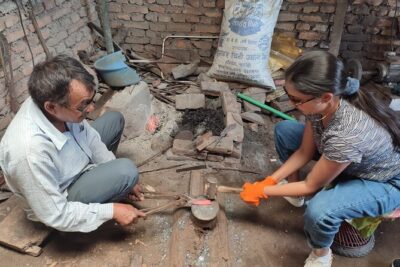
Knife (Khukuri) Making Workshop- Forge of the Gurkhas
Read our review →
The best Private Nepali Cooking Class in Kathmandu
Read our review →
Browse the lists this tour appears in