
Reviewed · KATHMANDU FOOD TOURS
Kathmandu: Women-Led Cooking Class & Momo Making-Local Taste
Kathmandu’s food culture makes more sense once you have rolled a momo, stirred a pot of dal, and picked vegetables and spices in a local market. This women-led cooking class turns lunch or dinner into a practical cultural lesson, with a chef guiding you through Nepali dishes in a small group of no more than eight.
I like the market visit, which shows you the ingredients before they reach the cooking table, and the choice of three menus. I also like the price: $11 per person buys two to three hours of instruction, food, tea, and hands-on practice.
The one caution is that dumpling folding takes patience. One participant found the chef a little irritated when the technique proved difficult, so this may suit you less if you want a very relaxed, play-as-you-go activity.
In This Review
- Key points at a glance
- From Kathmandu market shelves to the cooking table
- Three menus, from dal bhat to carrot halwa
- Menu 1: Bara, dal bhat, and yomari
- Menu 2: Chatamari, momo, and kheer
- Menu 3: Aloo chop, thukpa, and carrot halwa
- A hands-on lesson, not a cooking demonstration
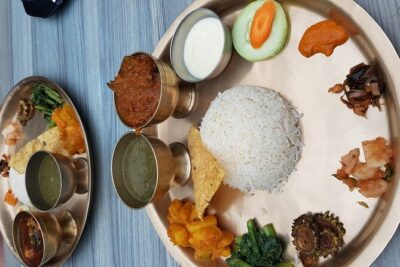
- Masala tea and the meal you prepare
- What the $11 price really buys
- Who will get the most from this class
- Practical planning before you book
- Should you book this Kathmandu cooking class?
- FAQ
- How long does the Kathmandu cooking class last?
- How much does the activity cost?
- Where does the cooking class meet?
- Is the class taught in English?
- How many people can join the class?
- What food can I learn to make?
- Is tea included?
- What is not included in the price?
Key points at a glance
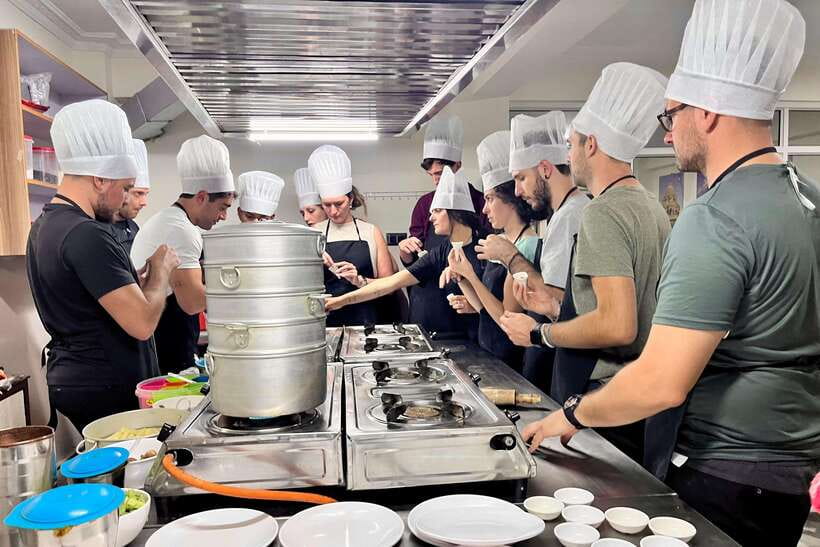
- Shop before you cook: Visit a local market to select vegetables, spices, and meat for the class.
- Choose from three menus: Options include momo, dal bhat, bara, chatamari, thukpa, and Nepali desserts.
- Small English-language group: The class is limited to eight participants, giving you a better chance to ask questions.
- Eat what you make: The tasting session is a full Nepali meal, not just a sample of finished dishes.
- Tea is part of the lesson: Nepali masala tea is served while you learn about local ingredients and cooking methods.
- Good value at $11: The fee includes instruction, ingredients, equipment, market shopping, tea, and the meal you prepare.
From Kathmandu market shelves to the cooking table
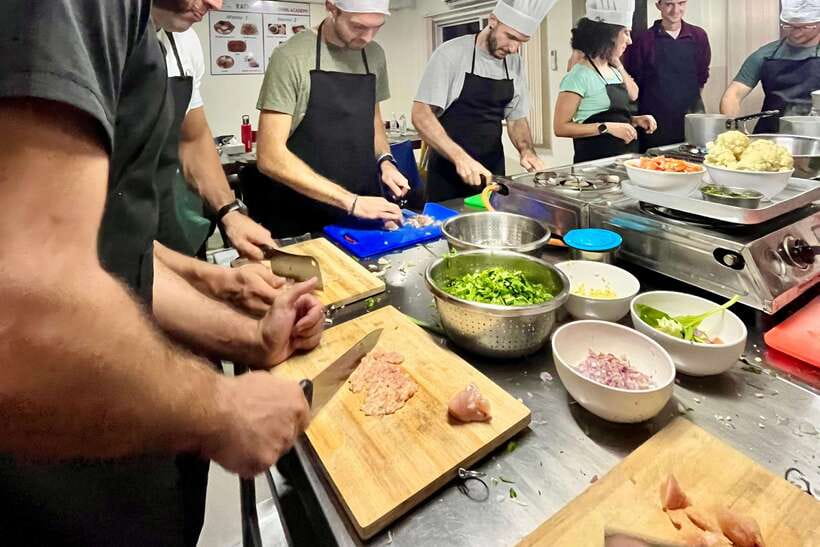
The best part of this experience is its clear connection between shopping and cooking. Instead of meeting a finished plate with no idea how it came together, you begin by looking for the vegetables, spices, and meat needed for the menu.
The market visit is not described as a long guided sightseeing stop. Think of it as a useful introduction to Nepali ingredients. You get to see what goes into the meal, learn how the chef selects important items, and understand that Nepali cooking depends on fresh produce, lentils, rice, spices, and careful preparation.
I like this start because it gives the class a sense of place. A cooking lesson in a hotel kitchen could teach you a recipe, but a market visit helps explain how that recipe fits into daily life in Kathmandu. It also gives you a chance to ask about ingredients before you begin chopping or mixing.
The meeting point is within easy reach of Thamel and other parts of the Kathmandu Valley. Exact starting times vary, so you need to check availability when booking. The total session lasts two to three hours, which makes it manageable on a busy Kathmandu day.
More Kathmandu food walks:
- Kathmandu: Local Women-Led Nepali Cooking & Momo Class
★ 4.9 · 360 reviews - Kathmandu: Local Lead Nepali Cooking & Momo-Making Class
★ 5.0 · 212 reviews - Walking Street Food Tour in Kathmandu
★ 5.0 · 111 reviews
Three menus, from dal bhat to carrot halwa
You are offered three menu sets rather than a completely open choice of individual dishes. That keeps the lesson organized and gives each menu a sensible mix of savory food and dessert.
Menu 1: Bara, dal bhat, and yomari
This is the strongest pick if you want classic Newari and Nepali staples in one sitting.
Bara is a lentil pancake made from ground black gram, also called urad dal, with spices mixed into the batter. It can be served plain or topped with egg, minced meat, or vegetables. The result gives you a different texture from the soft lentils and rice of dal bhat.
Dal bhat is Nepal’s familiar combination of steamed rice and lentil soup. It is often served with vegetables, pickles, and curry. The dish is simple in structure, but it teaches you a lot about the everyday balance of rice, pulses, vegetables, and seasoning in Nepali meals.
Yomari brings a sweet finish. This Newari dumpling uses rice flour dough filled with molasses, known as chaku, and sesame seeds. Coconut may also be used. If you want a menu that connects strongly with Kathmandu Valley food traditions, this is the one I would choose.
Menu 2: Chatamari, momo, and kheer
This menu is likely the most appealing choice for first-time visitors who want to make momo.
Chatamari is a Newari rice flour crepe often compared with Nepali pizza. The base is topped with ingredients such as egg, minced meat, vegetables, and spices. It is a useful lesson in how a simple rice flour mixture can become a complete meal with a range of toppings.
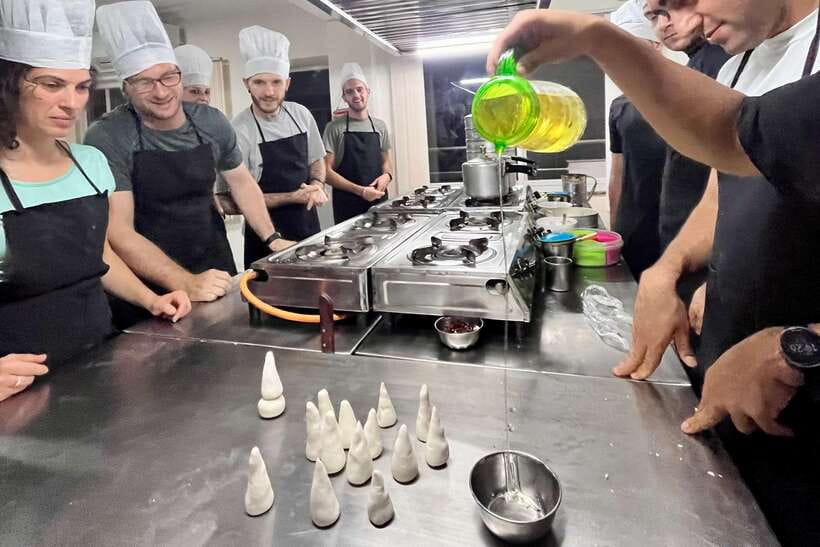
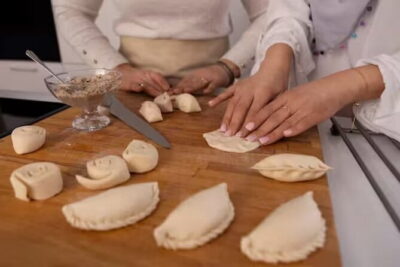
Momo is the star for many people. These dumplings use thinly rolled dough and a filling of minced chicken, buff, pork, or vegetables, seasoned with spices. You learn to shape and fold them by hand before they are cooked.
The folding step deserves a realistic warning. It may look easy when the chef demonstrates it, but the dough can be fiddly, especially on your first few attempts. One participant said the chef seemed irritated when the folding technique was hard to grasp. That is a reminder to ask for another demonstration and not worry about making perfect shapes immediately.
At least one participant found the atmosphere pleasant and enjoyed making as many momo as they could eat. That makes this menu a good match for you if the hands-on dumpling work is the main reason you are booking.
Kheer is a creamy rice pudding made with milk, sugar, and cardamom, often finished with nuts and raisins. It provides a gentle dessert after the more savory crepe and dumplings.
More Nepali cooking classes:
- Half day cooking class in Thamel kathmandu
★ 5.0 · 607 reviews - Local Women Lead Nepali Cooking Class
★ 5.0 · 125 reviews - The best Private Nepali Cooking Class in Kathmandu
★ 5.0 · 83 reviews - Kathmandu: Local Women-Lead Nepali Cooking & Momo Class
★ 4.9 · 45 reviews
Menu 3: Aloo chop, thukpa, and carrot halwa
This menu gives you a different view of Nepali food, with a fried snack, noodle soup, and a cooked dessert.
Aloo chop is made by mashing boiled potatoes with spices, shaping the mixture, and deep-frying it. It is a practical snack to learn because the ingredients are familiar, but the seasoning and frying method make it distinctly Nepali.
Thukpa is a Tibetan-Nepali noodle soup. It may include wheat or hand-pulled noodles, vegetables, meat, and aromatic spices in a flavorful broth. This is the menu to choose if you prefer a warm bowl of soup to steamed dumplings or rice-based dishes.
Carrot halwa rounds out the meal. Grated carrots are slowly cooked with milk, sugar, ghee, and cardamom, then finished with nuts and raisins. The slow cooking matters here, and the dish gives you a useful lesson in how a common vegetable becomes a rich dessert.
A hands-on lesson, not a cooking demonstration
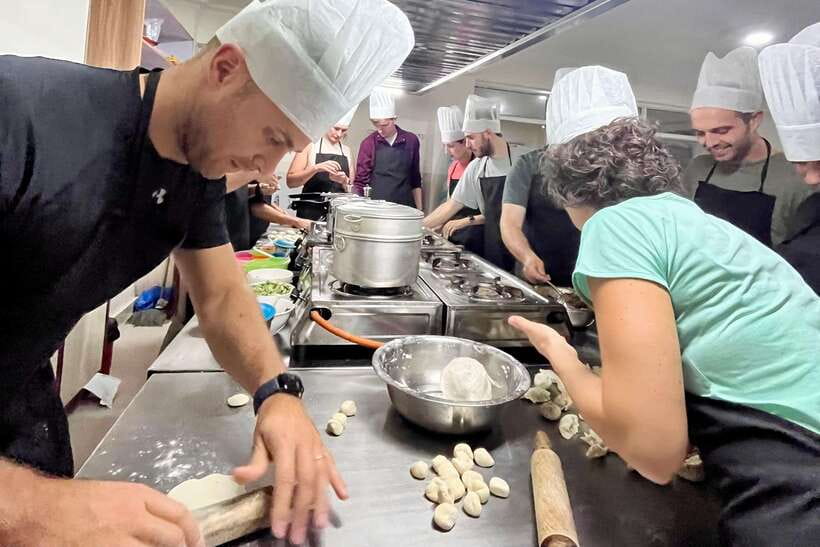
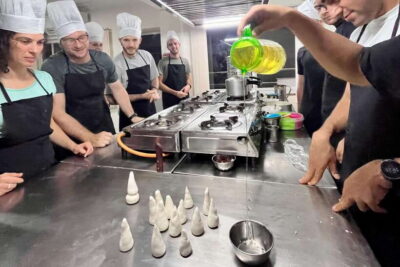
The class includes step-by-step instruction from a local chef and the use of cooking equipment and accessories. You are expected to take part, not simply watch from the side.
That distinction matters. You might learn how to mix a filling, roll dough, season lentils, prepare a batter, or assemble toppings. The exact tasks depend on the menu you select, but the design of the class is practical. You leave with techniques you can try again at home, not just a list of dishes you tasted once.
The chef also explains the cultural meaning of the food and the different cooking methods used in Nepal. This is where the class gains value beyond a meal. Dal bhat shows the importance of rice and lentils in everyday eating. Yomari and bara connect you with Newari food traditions. Momo and thukpa show the range of dumplings and noodle dishes found in Nepali and Tibetan-influenced cooking.
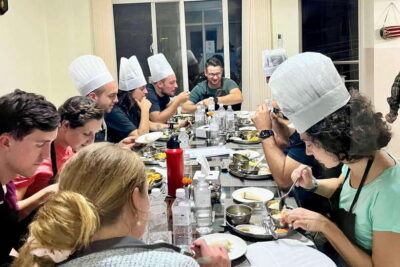
The teaching language is English. With a maximum group size of eight, you should have more room to ask questions than in a large group. Still, the experience depends on the instructor’s teaching style, and the comment about the momo folding suggests that patience and clear communication can vary.
If you are a complete beginner, say so early. Ask the chef to slow down the first demonstration, especially for dough work. A cooking class is more useful when you learn the method rather than rush to produce a perfect plate.
Masala tea and the meal you prepare
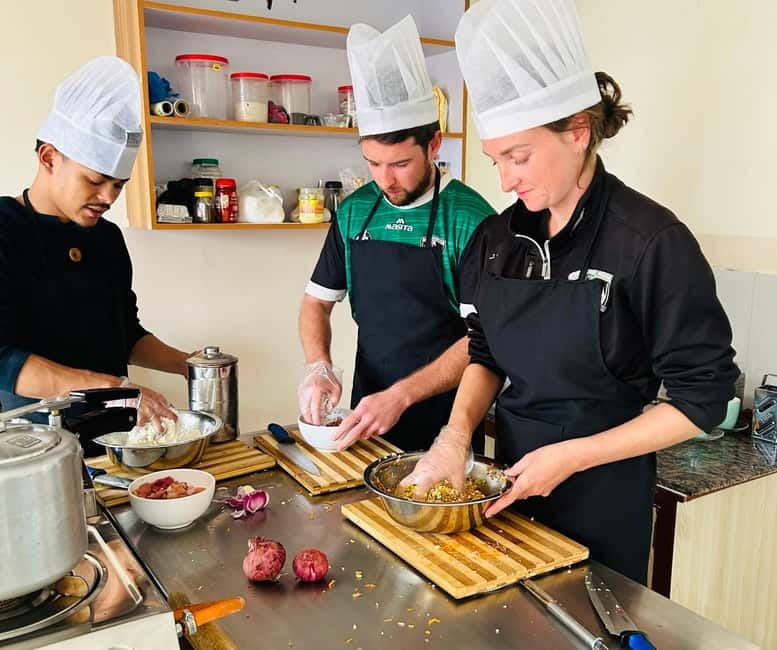
Nepali masala tea is included during the lesson. It combines black tea with aromatic spices and gives you a chance to pause between tasks. It also adds a small but useful cultural detail, since tea is part of everyday hospitality across Nepal.
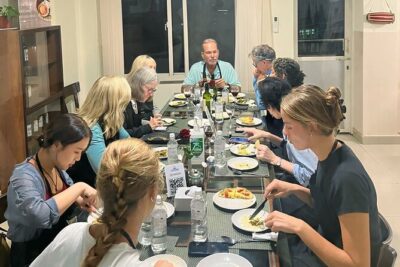
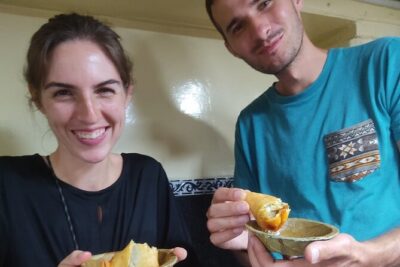
The tasting session is not an afterthought. You eat the food you have prepared, along with the satisfaction of recognizing the ingredients and steps behind it. At $11, this meal is a major part of the value.
Specialty drinks and alcohol are not included, so you should budget separately if you want something beyond the provided tea. Photos and video are also excluded. Professional photography or videography is available for an extra fee, but you do not need that add-on to take part in the cooking.
The food is designed with both vegetarian and meat options. Momo fillings may include chicken, buff, pork, or vegetables, while other menus can include meat, egg, or vegetable toppings. If you have a dietary restriction, ask about the available choice before the class, since the published information confirms options but does not spell out every substitution.
What the $11 price really buys
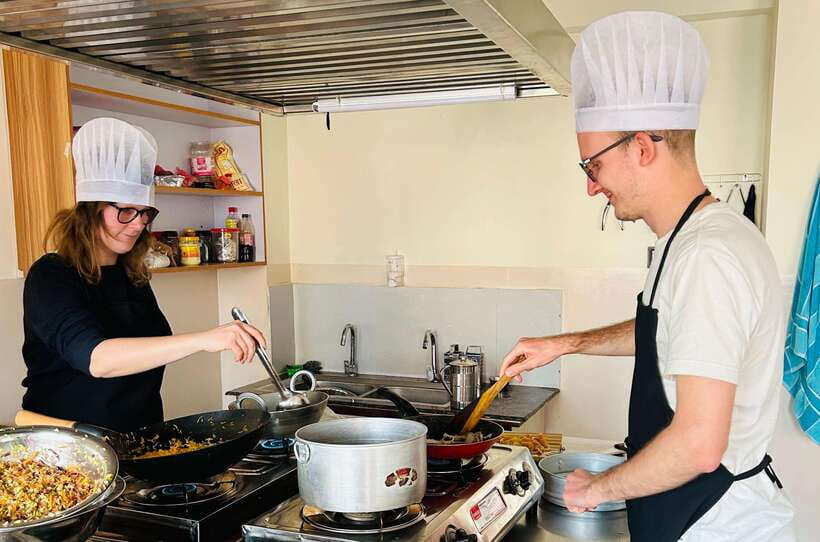
The $11 price is unusually low for an activity that combines a market visit, instruction, ingredients, equipment, tea, and a cooked meal. You are not paying only for a plate of food. You are paying for access to a local kitchen, a chef’s time, and the chance to repeat the recipes later.
The market stop adds practical value. The small group adds teaching value. The meal adds immediate value. Put together, the experience is a strong budget choice for a visitor who wants more than restaurant dining.
There are limits. The duration is only two to three hours, so you should not expect a long culinary course or a detailed study of every Nepali regional tradition. The three menu sets also mean your options are structured. You choose a direction, rather than building a custom menu dish by dish.
For a short stay in Kathmandu, that structure is helpful. You can fit the class into a morning or afternoon and still have time for other plans. It also removes the guesswork of deciding what to cook first.
Who will get the most from this class
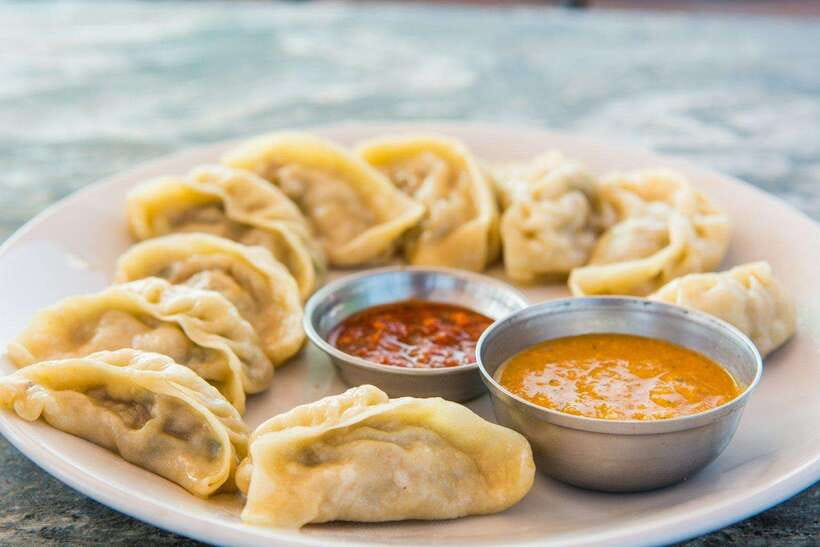
I would recommend this activity to food-focused visitors, couples, families with older children, and solo visitors who want a social activity without joining a large group. The minimum age is above eight, and the small group limit makes it suitable for children who enjoy practical tasks and can follow kitchen instructions.
It also works well for people who have already visited temples and monuments in Kathmandu and want a different way to understand local life. Food gives you an accessible entry point into culture, especially if you are curious about Newari dishes or the everyday role of dal bhat.
You do not need previous cooking experience. The class is designed for beginners as well as experienced food enthusiasts. You do need to be willing to handle ingredients, follow instructions, and accept that your first momo may look a little lopsided.
I would be more cautious about booking if you want a polished professional demonstration, a completely private class, or a slow and highly flexible pace. The group is small, but it is still a group, and the experience provider does not promise private instruction.
Practical planning before you book
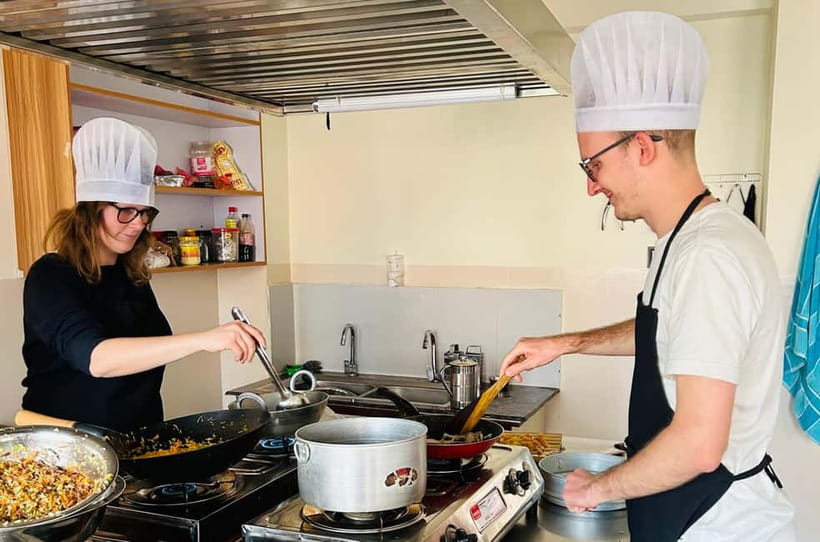
The class is conducted in English and is limited to eight participants. That is a useful size for a lesson involving dough, fillings, frying, and shared equipment.
The workshop location is accessible from Thamel and the wider Kathmandu Valley, but the exact meeting details and starting time should be confirmed when you reserve. The activity lasts two to three hours, so leave enough space around it if you have a flight, a long transfer, or a fixed sightseeing appointment.
You can cancel up to 24 hours before the activity for a full refund, and the reserve-now, pay-later option keeps your plans flexible. Those terms are useful in Kathmandu, where road conditions and sightseeing plans can change, but you should still check the final booking details.
The experience has an overall rating of 4.8 from 15 reviews. The strongest praise focuses on friendly instruction, fresh and flavorful food, professional guidance, and the pleasure of eating a meal prepared during the class. The less positive experience concerns the momo folding lesson, not the food itself, so your enjoyment may depend partly on how comfortable you are with hands-on learning.
Should you book this Kathmandu cooking class?
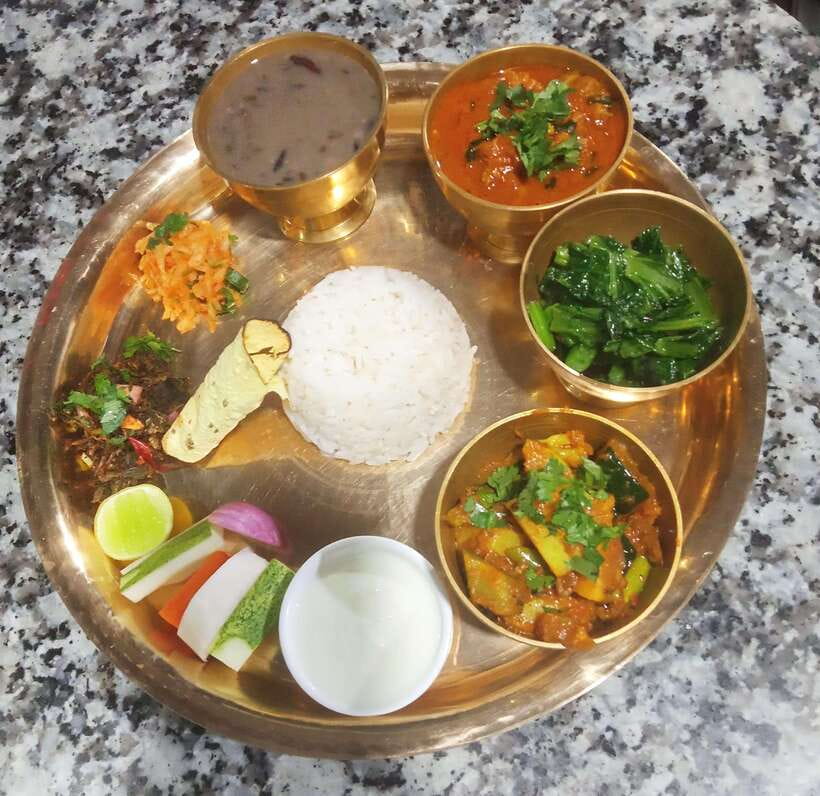
Book it if you want a low-cost, active introduction to Nepali food and like the idea of shopping for ingredients before cooking them. The combination of market visit, small group, three menu choices, masala tea, and a full meal is hard to beat at $11.
Choose Menu 1 for Newari tradition, Menu 2 for momo and chatamari, or Menu 3 for thukpa and a different set of snacks and sweets. Go in with patience, especially when folding dumplings, and ask for help rather than trying to copy the chef at full speed.
Skip it if you only want to sit and eat, need a fully private lesson, or expect extensive culinary training. For everyone else, this is a smart way to turn a Kathmandu meal into something you understand, remember, and can try to make again.
FAQ
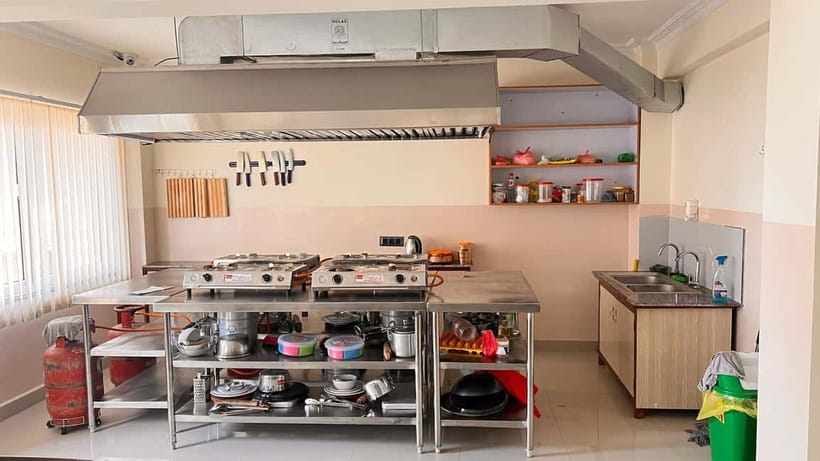
How long does the Kathmandu cooking class last?
The class lasts between two and three hours. Starting times depend on availability when you book.
How much does the activity cost?
The listed price is $11 per person.
Where does the cooking class meet?
The workshop location is easily accessible from Thamel and other parts of the Kathmandu Valley. You should check the confirmed meeting details when booking.
Is the class taught in English?
Yes. English is the listed language for the instructor and the activity.
How many people can join the class?
The class is limited to eight participants, making it a small-group activity.
What food can I learn to make?
You can choose from three menu sets. They include bara, dal bhat, yomari, chatamari, momo, kheer, aloo chop, thukpa, and carrot halwa.
Is tea included?
Yes. Nepali masala tea is included during the cooking lesson.
What is not included in the price?
Specialty drinks and alcoholic drinks are not included. Photos and video are also excluded, though professional photography or videography can be arranged for an additional fee.
More Workshops in Kathmandu
- Knife (Khukuri) Making Workshop- Forge of the Gurkhas
★ 5.0 · 143 reviews - Kathmandu: Traditional Momo Making Class & Pickup
★ 4.8 · 60 reviews - Traditional Nepali Momo Making Classes
★ 5.0 · 53 reviews - Knife Khukuri Making Workshop
★ 4.9 · 38 reviews
More Cooking Classes in Kathmandu
- Kathmandu: Local Lead Nepali Cooking & Momo Making Class
★ 4.9 · 40 reviews - Best Nepali Cooking Class in Thamel with Local Market Trip
★ 5.0 · 26 reviews - Kathmandu: Local Women Lead Nepali Cooking & Momo-Making Class
★ 5.0 · 17 reviews - Momo, Dhalbhat & Thukpa Cooking Class, Nepal
★ 5.0 · 12 reviews
Recently added around Kathmandu
- Kathmandu : Swambhunath & Durbar Square Guided Half Day Tour★ 3.3 · 3 reviews
- Private Day Tour in Kathmandu Valley Rim with Bhaktapur Sightseeing★ 5.0 · 3 reviews
- From Kathmandu / Pokhara / Chitwan: River Rafting – 1 Day★ 4.6 · 3 reviews
- Nepali Cooking training & Cultural Homestay Experience★ 5.0 · 3 reviews
- Private 3-Hour Nagarkot Sunset Tour from Kathmandu★ 3.5 · 3 reviews
- From Kathmandu: Everest Base Camp Landing Helicopter Tour★ 5.0 · 3 reviews
- 4 UNESSCO World heritage sites of Kathmandu-private tour★ 5.0 · 3 reviews
- From Kathmandu Budget: 15 Day Everest Base Camp Trek★ 5.0 · 3 reviews
Kathmandu Food Tours, compared.
Secret Food Tour – Food Bites and Sights Kathmandu 14+ Testings
Read our review →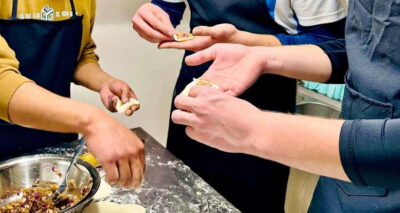
Browse the lists this tour appears in