
Reviewed · HIKING & TREKKING
Makalu Base Camp Trek
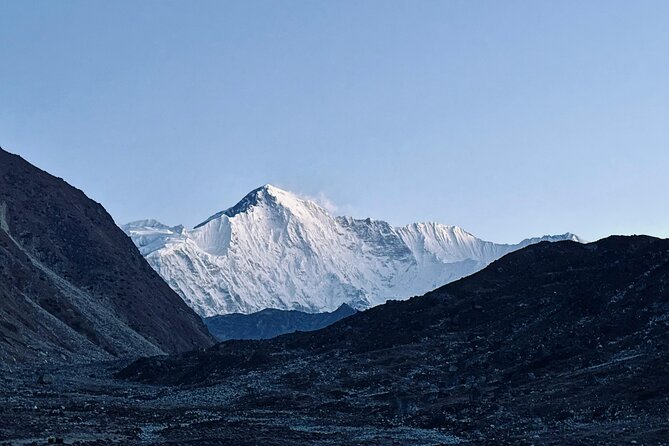
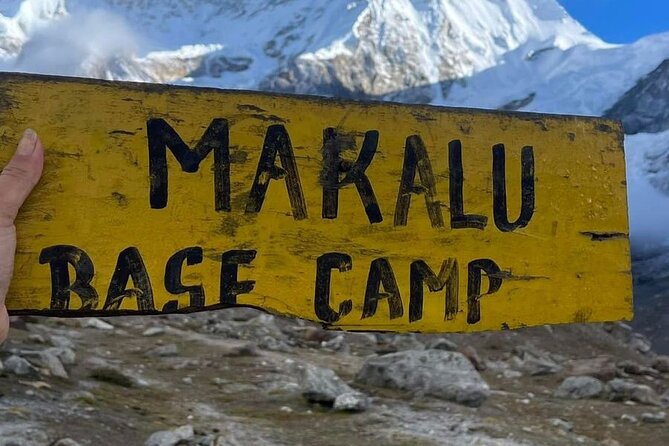
Makalu Base Camp is Nepal at its most remote and raw. Over 15 days, you move from warm forests and farm country to glaciers, high passes, and sweeping views of Mount Makalu, with Everest, Lhotse, and Baruntse appearing from less familiar angles. I especially like the quiet trail and the chance to meet Rai, Sherpa, and Bhotiya communities without the crowds found on Nepal’s best-known routes. The big tradeoff is comfort: lodges are basic, the walking is demanding, and transport can be rough.
I also like that the $1,750 price includes flights from Kathmandu to Tumlingtar, meals, an English-speaking guide, porters, park fees, and basic trekking gear on request. Guides Pujan and David received especially warm praise for their support and care. Still, you should budget extra for drinks, bottled water, insurance, visa fees, private transport, and any extra porter service.
In This Review
- Key points to know before you book
- Why Makalu Base Camp feels different
- Day 1: Flight to Tumlingtar and the rough road onward
- Day 2: The Arun River and the climb to Seduwa
- Days 3 and 4: Farms, forest, and longer uphill walking
- Day 5: Acclimatization before the high passes
- Day 6: Shipton La and Keke La
- Days 7 and 8: River valleys and the approach to Base Camp
- Day 9: Reaching Makalu Base Camp
- Day 10: Optional hikes toward Barun Glacier
- Days 11 to 14: Retracing the route downhill
- Day 15: The road back and possible flight to Kathmandu
- What the $1,750 price really covers
- Guides, group size, and the human side
- Who should book this trek
- Should you book the Makalu Base Camp Trek?
- FAQ
- How long does the Makalu Base Camp Trek take?
- Where does the trek begin?
- Are flights included?
- What accommodation is provided?
- Are meals included?
- Is bottled water included?
- What level of fitness do I need?
Key points to know before you book
- A genuinely quiet route: Makalu-Barun National Park offers far fewer trekkers than the Everest and Annapurna circuits.
- High passes make this a serious trek: Shipton La reaches 4,170 meters and Keke La reaches 4,150 meters.
- Flights save time but add weather risk: The itinerary uses flights between Kathmandu and Tumlingtar, with a possible return flight if schedules and weather work.
- Expect simple accommodation: Most nights are in teahouses, with basic lodge or tented stays near Base Camp.
- The price covers the important basics: Meals, permits and fees, domestic flights, guide and porter support, insurance for staff, maps, first aid supplies, and allowances are included.
- You need moderate fitness: Several days run six to seven hours, with steep climbs, long descents, and one particularly hard pass-crossing day.
Why Makalu Base Camp feels different
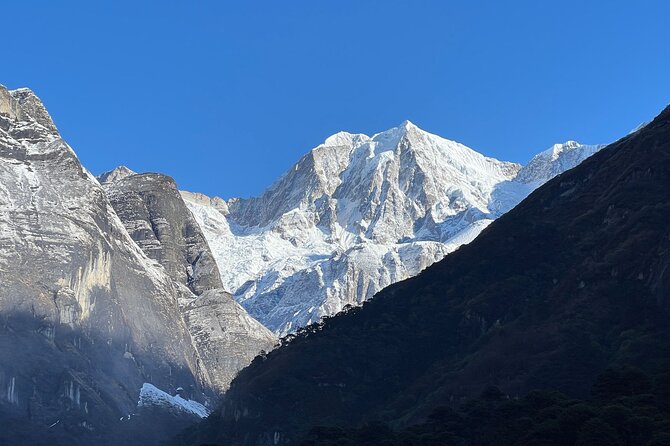
Makalu Base Camp is not the easy choice for a first Himalayan holiday. It is the choice for someone who wants a quieter trail and accepts a little more effort in return. The route passes through Makalu-Barun National Park, where the scenery changes sharply as you gain altitude.
At the beginning, you walk through green forest, farms, waterfalls, and river valleys. Higher up, rhododendrons give way to open alpine country, glaciers, and broad mountain views. This variety is one of the trek’s best features. You are not looking at the same type of scenery for two weeks.
The park is also known for wildlife and plant life. The route is home to red pandas, Himalayan thars, colorful birds, rhododendrons, and medicinal plants. Wildlife sightings are never guaranteed, so treat these as possible rewards rather than promised highlights. The forests and birdlife are part of the pleasure even when larger animals stay out of sight.
The human side matters just as much. You pass through communities linked with Rai, Sherpa, and Bhotiya culture, and the simple local lifestyle gives the route a sense of place. This is not a trek built around large hotels or busy dining rooms. Your evening experience is more likely to center on a basic teahouse, a warm meal, and a quiet valley.
More treks starting in Kathmandu:
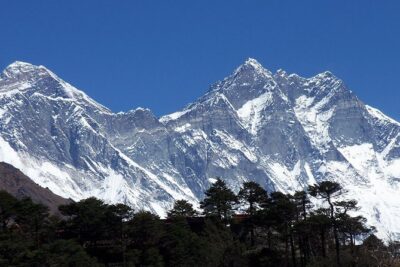
- Everest Base Camp Trek – 14 Days
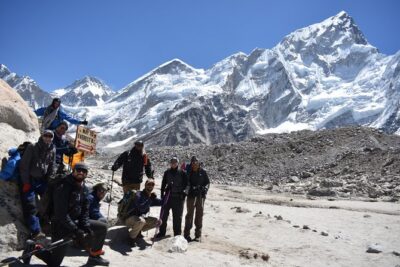
★ 5.0 · 1,499 reviews - Everest Base Camp Trekking
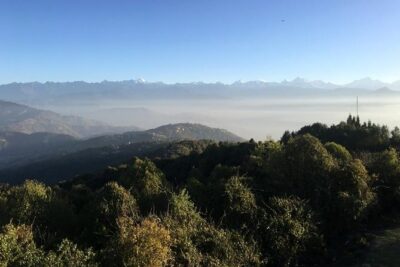
★ 5.0 · 485 reviews - Nagarkot Sunrise View and Day Hiking from Kathmandu
★ 5.0 · 471 reviews
Day 1: Flight to Tumlingtar and the rough road onward
The trip begins at Tribhuvan Airport in Kathmandu. The published meeting time is 12:15 am, so confirm the exact pickup arrangement before departure. The first flight takes about 45 minutes, followed by a four to five hour off-road drive.
That combination tells you a lot about the trip. The air connection gets you into eastern Nepal quickly, but the road section can be tiring after the flight. This is not a polished transfer in a private tourist vehicle. Local transport is used, and private transportation is available only at additional cost.
You spend the night in a teahouse. Because the day includes both a flight and a rough drive, keep your first-day expectations modest. The value here is practical: you reach the trailhead area without spending extra days on overland travel.
Day 2: The Arun River and the climb to Seduwa
The trail drops steeply toward the Arun River before climbing steeply to Seduwa. This five to six hour day introduces the physical character of the trek right away.
The route is not a gentle warm-up. Descending first and climbing afterward can make your legs work harder than the distance suggests. Walk slowly, keep water within reach, and treat this as a day for finding a steady rhythm rather than chasing speed.
Seduwa is an important early stop because the trail begins to feel more like a foot journey than a sightseeing transfer. You stay in a teahouse, with meals included according to the package. Bottled water, coffee, and tea cost extra, so a refillable bottle is useful from the start.
Days 3 and 4: Farms, forest, and longer uphill walking
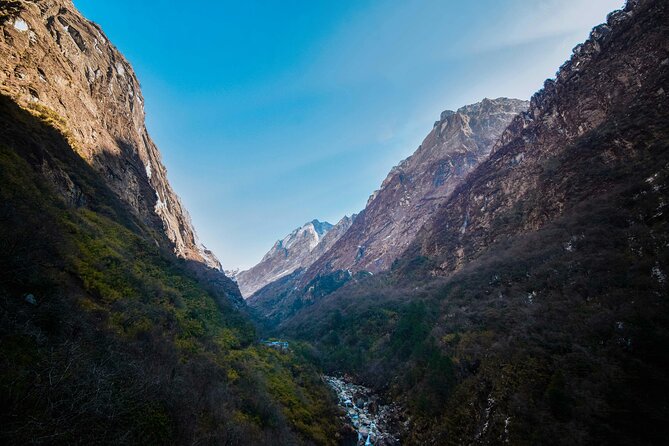
Day 3 is gentler by comparison. You walk gradually through farms and forests for four to five hours. This is a good day to look around rather than simply focus on the next climb. The agricultural setting and local communities offer a closer view of everyday life in eastern Nepal.
Day 4 becomes harder, with six to seven hours of uphill walking through forest and meadows. Accommodation is described as a basic lodge or teahouse, a useful warning for anyone used to the more developed facilities on popular routes.
The contrast between these days is typical of Makalu. You may start among cultivated land and then move into quieter woodland and open grazing areas. The changing vegetation gives the trek its shape, but it also means you should be ready for uneven walking and basic rooms.
A completely different sort of day in Kathmandu:
- Private Kathmandu Sightseeing Tour | UNESCO World Heritage sites
★ 5.0 · 756 reviews - Everest Base Camp Helicopter Tour landing at Everest View Hotel
★ 5.0 · 668 reviews - Half day cooking class in Thamel kathmandu
★ 5.0 · 607 reviews - Kathmandu: Full Day 7 UNESCO Tour with Lunch – Private/Group
★ 5.0 · 415 reviews
Day 5: Acclimatization before the high passes
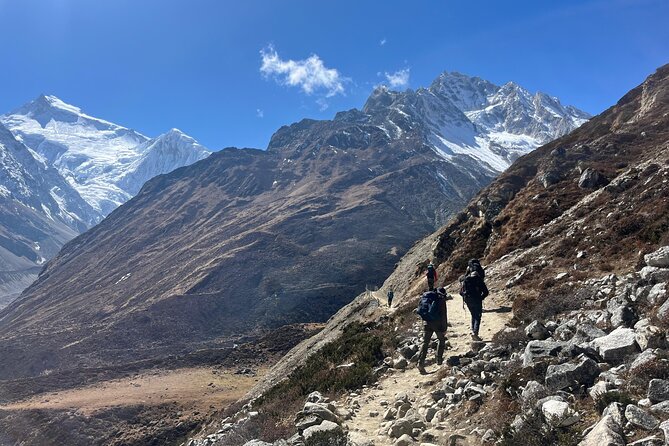
Day 5 uses short hikes to nearby ridges for acclimatization. This is not a wasted day. At altitude, a shorter outing can be more valuable than adding miles to the route.
The point is to let your body adjust before the pass-crossing day. Use the time to organize your pack, check your layers, and ask your guide about the next section. An experienced English-speaking guide can help you judge the pace and explain how the day will unfold.
The tour includes sleeping bags, trekking poles, and crampons on request. Confirm in advance what equipment you need and what is available for your dates. Crampons are not a casual accessory, and the information provided does not specify exactly when they will be required.
Day 6: Shipton La and Keke La
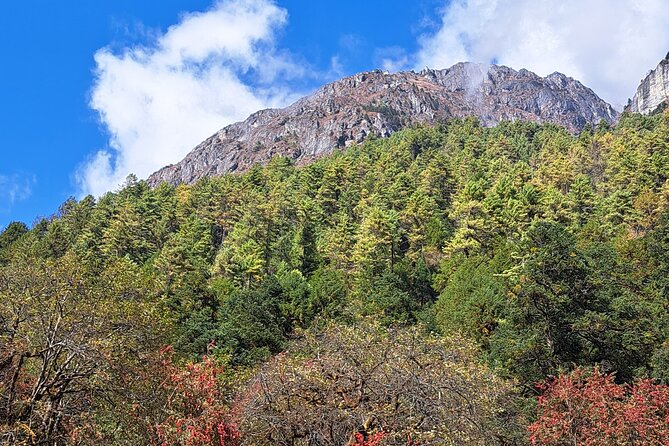
Day 6 is the toughest and one of the most rewarding parts of the trek. You cross Shipton La at 4,170 meters and Keke La at 4,150 meters during a six to seven hour walking day.
The two passes bring high mountain views and a strong sense of progress. They also demand respect. The route is steep, the air is thinner, and the day can feel long. Your best strategy is a slow, even pace with regular breaks. Let your guide set the tempo rather than trying to match a faster group, though this is a private activity, so the schedule is for your party alone.
This day is a good test of whether the trek suits you. Moderate physical fitness is required, but the pass heights and long walking time mean you should be comfortable with sustained uphill and downhill effort. If you are uncertain about your fitness, ask the operator for a current assessment before booking.
Days 7 and 8: River valleys and the approach to Base Camp
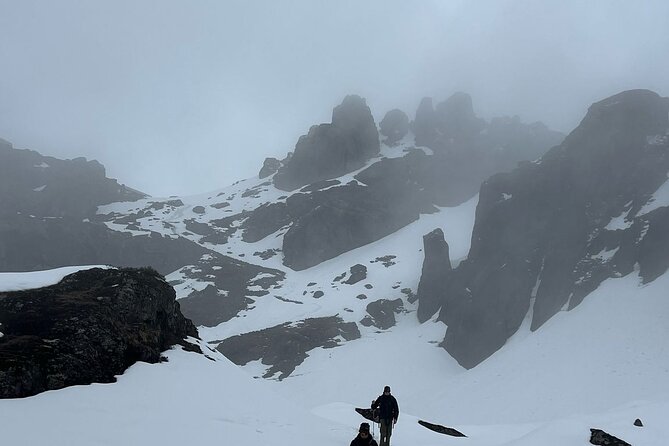
After the passes, Day 7 leads through rhododendron forest and river valleys for five to six hours. The route begins to feel more alpine, but the forest remains a major part of the experience.
Day 8 brings another gradual ascent and five to six hours of walking. The valley views become more impressive as you move toward the high country. This is the sort of day when the route rewards patience. The most striking views may appear around a bend or after a steady climb, rather than at a marked attraction.
The teahouse stays remain simple. Meals are included, with breakfast, lunch, and dinner provided as one menu item each. That arrangement keeps costs predictable, but it does not promise a wide choice or restaurant-style dining. Bring personal snacks if you know you need food between meals, since the package details do not specify snack provision.
Day 9: Reaching Makalu Base Camp
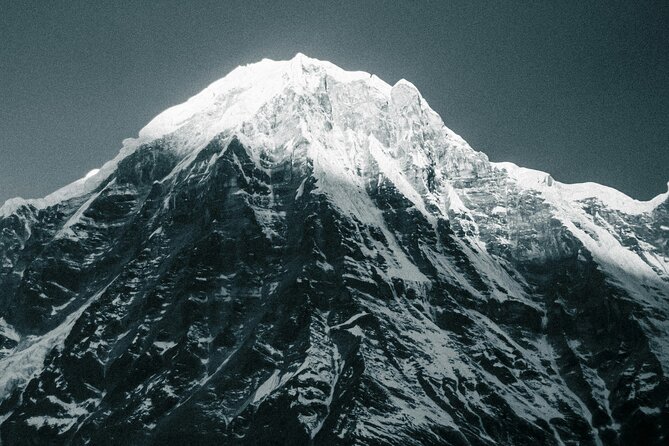
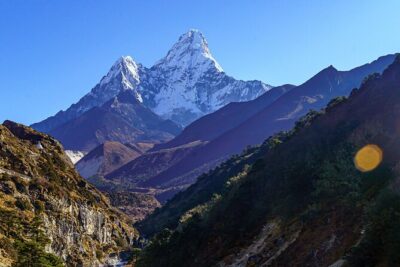
Day 9 is the central goal: a six to seven hour climb to Makalu Base Camp. The reward is the mountain setting, with views toward Makalu and other major Himalayan peaks including Everest, Lhotse, and Baruntse.
The overnight arrangement is more basic here, either a basic lodge or a tented stay. That is part of the appeal and part of the challenge. You are reaching a remote area where comfort and choice are limited.
Base Camp is best understood as a mountain destination, not a hotel-style finish line. The value lies in the route, the scale of the peaks, and the feeling of being far from busy trekking corridors. Take time to appreciate the setting, but keep expectations realistic about facilities.
Day 10: Optional hikes toward Barun Glacier
Day 10 is reserved for optional side hikes toward Barun Glacier. This gives you some flexibility after reaching Base Camp. You can use the day for additional views or for a slower recovery, depending on conditions and how you feel.
The accommodation may be a teahouse or tented camp. Since the exact side-hike distance is not specified, ask your guide about the plan for the day. Weather, trail conditions, and energy levels can affect what is sensible.
This is also a good time to use any available trekking poles and warm equipment. The package says sleeping bags, poles, and crampons can be provided on request, so make those requests before you leave Kathmandu rather than waiting until the high section.
Days 11 to 14: Retracing the route downhill
The return is not an easy afterthought. Day 11 includes about seven hours of walking as you retrace your steps. Days 12 and 14 also run six to seven hours, while Day 13 is five to six hours. Day 14 includes a long descent.
Downhill walking can be hard on knees and ankles, especially after the high point of the trek. Use trekking poles, shorten your stride, and do not rush simply because you are losing altitude. The scenery changes again as you return toward forests, rivers, and settled areas.
These days also show the tradeoff in a remote out-and-back trek. You revisit parts of the route instead of taking a different return path. That makes the logistics workable, but anyone who needs constant novelty may find the second half less exciting than the approach.
Day 15: The road back and possible flight to Kathmandu
The final day includes about four hours of trekking followed by a four to five hour drive. If the timing works, you may be able to fly from Tumlingtar to Kathmandu the same day or the next morning.
Do not build an important onward connection around the same-day flight without checking the schedule and weather. The itinerary specifically presents the flight as an option if timing matches, and mountain transport can change.
This flexible finish is useful, but it also means your trip may not end with a neat airport transfer in Kathmandu. Plan a little breathing room after the trek.
What the $1,750 price really covers
At $1,750 per person, this is not a budget walk, but the inclusions are substantial for a remote 15-day trek. The price covers two-way flights between Kathmandu and Tumlingtar, all listed fees and taxes, meals, an English-speaking guide, porters, staff insurance, daily allowances, maps, first aid kits, and teahouse or camp accommodation as outlined.
That package reduces several major costs and removes much of the planning burden. The guide and porter support are particularly important on a route with high passes, long days, and limited infrastructure.
You still need money for:
- Bottled water or teahouse refills
- Coffee and tea
- Alcoholic drinks
- Personal travel insurance
- Nepal visa fees
- Excess baggage or extra porter support
- Private transport, if you prefer it over local transport
Each porter can carry 20 to 25 kilograms, with extra porter service charged by the day. Pack carefully and ask about baggage limits before departure. The more you carry, the more the long climbs and descents will affect you.
Guides, group size, and the human side
This is a private activity, so only your own group participates. That is a real advantage on a demanding route. You can discuss pace, rest stops, and optional hikes with your guide instead of fitting into a large group schedule.
The listed English-speaking guide is supported by porters, and Pujan and David were specifically praised for making the trek feel safe, personal, and well organized. Raj was also thanked for helping make the wider Nepal stay memorable. Names can change by departure, so confirm your assigned team before you go.
The strongest praise centers on the staff’s support and the route’s quiet natural setting. That matches what matters most here. On a remote trek, a good guide is not just a person who points out peaks. The guide helps manage pace, weather changes, high-altitude concerns, and the practical details of moving between basic lodges.
Who should book this trek
You should consider Makalu Base Camp if you want:
- A quieter alternative to the Everest or Annapurna routes
- A private trekking experience with an English-speaking guide
- Forests, wildlife habitat, high passes, glaciers, and major mountain views in one trip
- A route that includes local Rai, Sherpa, and Bhotiya communities
- A structured package with flights, meals, porters, and key equipment available
You should think twice if you need comfortable lodging, reliable private transport, short walking days, or a wide range of food and drinks. The itinerary includes several six to seven hour days, steep sections, basic accommodation, and a rough road transfer.
Cancellation is free up to 24 hours before the start time for a full refund. The trip requires suitable weather, and if poor weather cancels it, you are offered another date or a full refund. That policy is helpful, but it does not remove the need for flexible plans around domestic flights.
Should you book the Makalu Base Camp Trek?
Book this trek if your priority is quiet Himalayan scenery and a demanding route rather than polished facilities. The combination of Makalu views, high passes, forest, glacier country, local communities, and private guide support gives you a rare kind of Nepal experience.
I would book it with three checks first: confirm the airport pickup time, ask which guide will lead your group, and clarify the equipment available on request. Then add a small budget for water, drinks, insurance, visa costs, and possible delays.
For fit walkers who value silence, remote valleys, and a strong sense of place, the $1,750 package offers good value. For anyone seeking an easy or comfortable mountain holiday, choose a shorter and better-developed route instead.
FAQ
How long does the Makalu Base Camp Trek take?
The trek lasts approximately 15 days, including flights, road transfers, walking days, acclimatization, time at Base Camp, and the return journey.
Where does the trek begin?
The meeting point is Tribhuvan Airport in Kathmandu, Nepal. The listed start time is 12:15 am.
Are flights included?
Yes. Two-way public transportation flight tickets between Kathmandu and Tumlingtar are included. On the final day, a Tumlingtar to Kathmandu flight may be possible the same day or the next morning if timing matches.
What accommodation is provided?
Most nights are in teahouses. Some higher sections use a basic lodge or tented accommodation, including the night around Makalu Base Camp and the optional glacier-hike day.
Are meals included?
Yes. Breakfast, lunch, and dinner are included throughout the trek. Each meal is listed as one item from the available menu.
Is bottled water included?
No. Bottled water is extra. You can buy it along the trail or refill at teahouses, and a refillable bottle is recommended.
What level of fitness do I need?
You should have a moderate level of physical fitness. Walking days generally last four to seven hours, with steep climbs, long descents, and high passes reaching 4,170 meters.
Recently added around Kathmandu
- Kathmandu : Swambhunath & Durbar Square Guided Half Day Tour★ 3.3 · 3 reviews
- Private Day Tour in Kathmandu Valley Rim with Bhaktapur Sightseeing★ 5.0 · 3 reviews
- From Kathmandu / Pokhara / Chitwan: River Rafting – 1 Day★ 4.6 · 3 reviews
- Nepali Cooking training & Cultural Homestay Experience★ 5.0 · 3 reviews
- Private 3-Hour Nagarkot Sunset Tour from Kathmandu★ 3.5 · 3 reviews
- From Kathmandu: Everest Base Camp Landing Helicopter Tour★ 5.0 · 3 reviews
- 4 UNESSCO World heritage sites of Kathmandu-private tour★ 5.0 · 3 reviews
- From Kathmandu Budget: 15 Day Everest Base Camp Trek★ 5.0 · 3 reviews
Hiking & Trekking, compared.
Nagarkot Sunrise View and Day Hiking from Kathmandu
Read our review →
Browse the lists this tour appears in