
Reviewed · HIKING & TREKKING
Mardi Himal Trek
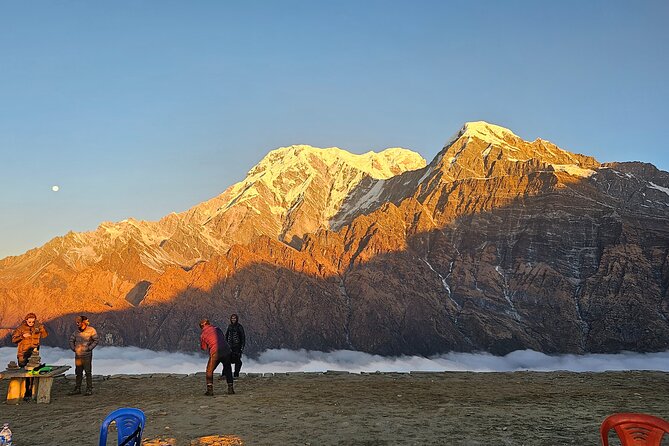
Mardi Himal earns its reputation on the climb to Mardi Base Camp, where the Annapurna Massif, Machhapuchhre, and Mardi Himal fill the horizon. The route is a good introduction to Nepal trekking, with forest paths, simple lodges, and a clear sense of progress each day.
I like the practical support here: domestic flights, permits, a guide, porter, sleeping bag, down jacket, and most meals are included. I also like the mix of mountain walking and town time in Pokhara and Kathmandu. The main caution is altitude. The route may suit beginners, but reaching roughly 4,500 meters still demands steady pacing, warm clothing, water, and sensible attention to symptoms.
In This Review
- Key points to know before booking
- Why Mardi Himal works for a first Himalayan trek
- Day 1: Kathmandu arrival and a soft landing in Thamel
- Day 2: Flight to Pokhara and the first walk from Kande
- Day 3: Deurali to Forest Camp through rhododendron woods
- Day 4: Forest Camp to Low Camp and the first high views
- Day 5: Low Camp to High Camp with altitude in mind
- Day 6: The main goal, Mardi Himal Base Camp
- Day 7: Descending from the high lodges to Sidding
- Day 8: Sidding to Lwangghale, with village life and tea gardens
- Day 9: Sunrise in the tea gardens and return to Pokhara
- Day 10: Pokhara sights after the mountains
- Day 11: Kathmandu cultural touring and departure planning
- What the $1,058 price really covers
- Guides, porters, and the human side of the trip
- Who should book this trek?
- Should you book the Mardi Himal Trek?
- FAQ
- How long is the Mardi Himal Trek?
- What is the highest point on the trek?
- Is the trek suitable for beginners?
- Are domestic flights included?
- Are trekking permits included?
- Is accommodation included?
- Are meals included?
- Is a guide and porter included?
Key points to know before booking
- Mardi Base Camp reaches about 4,500 meters: The final climb is the trip’s big physical and visual reward.
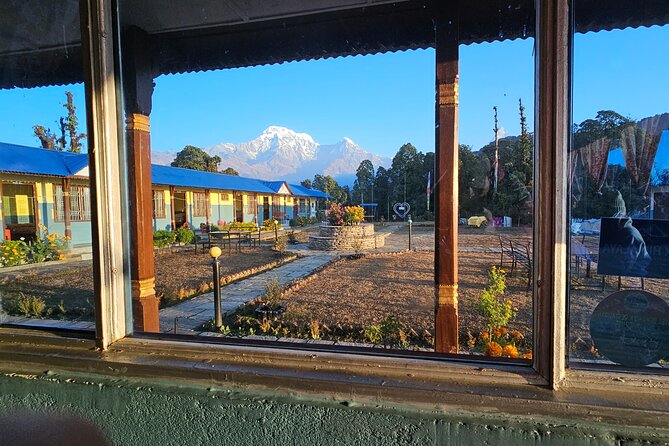
- The trail passes through changing scenery: Expect rhododendron and pine woods, open high ridges, villages, tea gardens, and snowy peaks.
- Birendra is a named guide on several trips: If having him lead your group matters, confirm guide assignments before paying.
- The package covers major costs: Flights, permits, lodges, a porter, guide services, and most meals are included.
- The trek is private: Only your own group participates, which allows more flexibility than a large shared departure.
- The price is about $1,058 per person: That is a substantial package, but it includes two domestic flights and considerable staff and equipment support.
Why Mardi Himal works for a first Himalayan trek
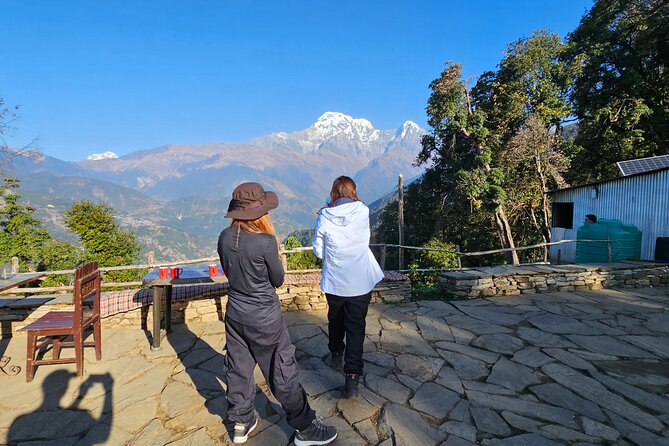
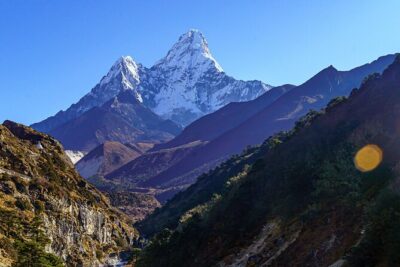
Mardi Himal gives you a classic Nepal trekking experience without the length or altitude demands of the Everest Base Camp route. You walk through forest, sleep in mountain lodges, pass small settlements, and climb toward a high viewpoint with the Annapurna range in front of you.
The trail is often described as suitable for novice hikers, but that needs a little context. Suitable for beginners does not mean effortless. You still face several hours of walking on successive days, steep sections, cold nights, uneven paths, and thin air above 3,000 meters.
I like the way this route builds gradually. The early days let you settle into the rhythm of walking before the trail reaches Low Camp and High Camp. By the time you approach Base Camp, you have already gained experience with the pace, food, beds, weather, and basic mountain routine.
The private format is another plus. Your group does not share the activity with strangers, so the guide can respond to your pace and condition. That matters on a high-altitude walk, though you should still ask how large your private group will be and how many porters are assigned.
More treks starting in Kathmandu:
- Everest Base Camp Trek – 14 Days
★ 5.0 · 1,499 reviews - Everest Base Camp Trekking
★ 5.0 · 485 reviews - Nagarkot Sunrise View and Day Hiking from Kathmandu
★ 5.0 · 471 reviews
Day 1: Kathmandu arrival and a soft landing in Thamel
Your first day begins at Kathmandu airport, where a company employee or tour leader meets you and drives you to Thamel. The listed transfer and the first short stop take about 30 minutes, with the rest of the day available for settling in.
This is a useful start rather than a sightseeing-heavy one. Kathmandu can feel intense after an international flight, so a hotel near Thamel gives you a chance to rest, organize your bags, and meet the team.
Your Kathmandu hotel is listed as three-star accommodation with breakfast. The package does not cover most meals in Kathmandu, so budget separately for lunch and dinner here.
The company provides a duffel bag, sleeping bag, and down jacket on request. These items must be returned after the trek. Ask for them early, then check the fit and condition before leaving the city.
Day 2: Flight to Pokhara and the first walk from Kande
The group takes an early flight from Kathmandu to Pokhara, then drives to Kande. From there, the trail heads toward Deurali, with roughly five hours of walking planned for the day.
The first route is relatively gentle and gives you an introduction to the footpath without sending you straight into the highest part of the trek. Deurali is more than a stopping point. It is where you get your first proper mountain meal and prepare for the climb toward Forest Camp.
The flight saves a long road journey and makes the trip feel more efficient. It also adds a point to watch: domestic flights in mountain regions can be affected by weather, so keep your schedule flexible if you have an important connection after the trek.
The combination of flight, road transfer, and walking makes this a full day even if the trail itself feels manageable. Wear your walking shoes on the flight and keep essential items in your day bag.
Day 3: Deurali to Forest Camp through rhododendron woods
After breakfast in Deurali, you walk for about six hours toward Forest Camp. The path begins on fairly level ground, then continues through woodland.
This is one of the most appealing sections for people who like the quieter side of trekking. The trees create shade and a sense of enclosure, while the route gradually gains height. In spring, rhododendrons can add strong color to the forest.
Forest Camp also marks a change in the trip. The villages and roads feel farther away, and the walking becomes more central to the day. Lodge accommodation is simple, and facilities such as hot showers and WiFi cost extra when available.
You should keep your pace restrained here. A fast start can make the following days harder, especially as the trail rises above 3,000 meters.
A completely different sort of day in Kathmandu:
- Private Kathmandu Sightseeing Tour | UNESCO World Heritage sites
★ 5.0 · 756 reviews - Everest Base Camp Helicopter Tour landing at Everest View Hotel
★ 5.0 · 668 reviews - Half day cooking class in Thamel kathmandu
★ 5.0 · 607 reviews - Kathmandu: Full Day 7 UNESCO Tour with Lunch – Private/Group
★ 5.0 · 415 reviews
Day 4: Forest Camp to Low Camp and the first high views
The fourth day includes around five hours of walking through mixed woodland, with lunch planned at Low Camp. Since you are now above 3,000 meters, the day is intentionally shorter.
That reduced distance is a sensible feature. Your body needs time to adjust, and a shorter schedule gives you more room to stop, drink, eat, and watch for signs of altitude trouble.
The route continues through rhododendron and pine trees. As the trees thin, you may find broader views toward the mountain ranges, depending on cloud and weather. This gradual opening of the view is part of the route’s charm.
The lodges at these elevations are functional rather than luxurious. Bring a warm layer for the dining room and sleeping area, and do not count on every comfort being included. Hot showers, drinks, snacks, internet access, and other personal expenses are excluded.
Day 5: Low Camp to High Camp with altitude in mind
Day five is another roughly five-hour walking day. The plan remains conservative because you are still above 3,000 meters.
The key instruction here is simple: drink plenty of water. The package includes meals, but personal drinks are not covered, so carry money in Nepalese rupees for water, tea, snacks, and other purchases.
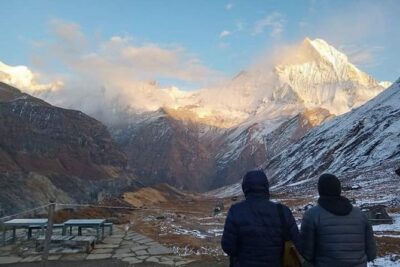
High Camp is the staging point for the main climb. It is also where the cold becomes a serious concern. One trip account specifically warns you to bring enough warm clothing, and that is practical advice. The supplied down jacket and sleeping bag help, but you should still pack gloves, a warm hat, thermal layers, and thick socks.
A memorable food tip is to try pizza at High Camp if it is available. Mountain lodges often offer a wider range of food than first-time trekkers expect, but meals remain basic and choice can vary.
Day 6: The main goal, Mardi Himal Base Camp
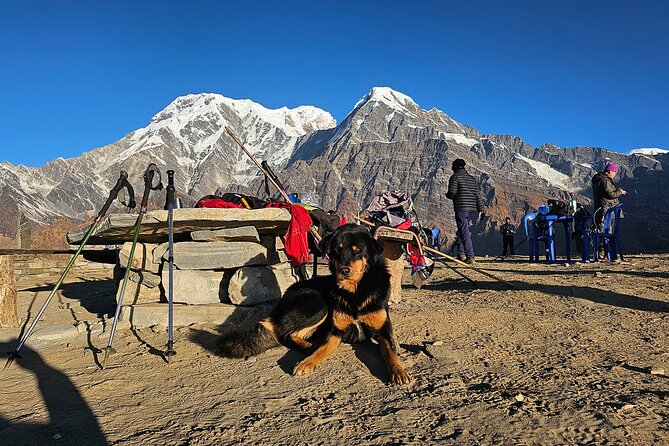
After breakfast, you walk toward Mardi Himal Base Camp. The day is planned for about seven hours, making it the longest and most demanding walking day in the schedule.
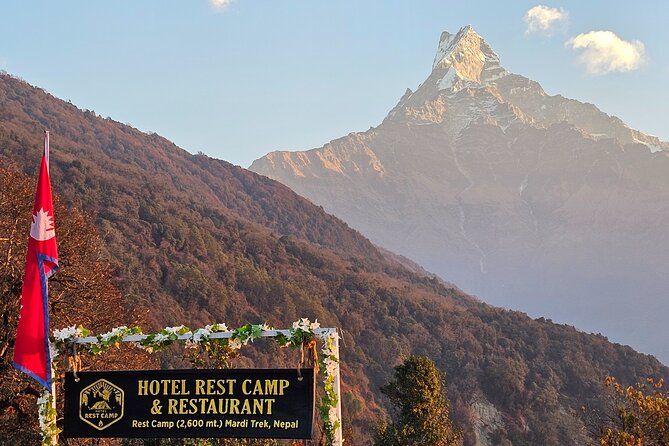
The route includes a major viewpoint with broad views of the Annapurna Massif and Machhapuchhre, also called Fishtail. Mardi Himal forms part of the high mountain setting, and the approach gives you the feeling of moving toward a real Himalayan objective rather than simply walking between villages.
The final section to Base Camp is the moment to treat with respect. The altitude is about 4,500 meters according to the trip details, and even a fit person can feel slow, breathless, or headachy there. Your guide should set the pace, but you must speak up if you feel unwell.
This is where a private trip can be especially useful. The group can take longer breaks and turn around if conditions or health require it. Reaching the viewpoint is a fine achievement, but reaching it safely matters more than forcing the final steps.
Carry a day pack with water, snacks, sunscreen, sunglasses, gloves, and an extra warm layer. The mountain sun can feel strong even when the air is cold.
Day 7: Descending from the high lodges to Sidding
The descent to Sidding takes about six hours. You begin after breakfast at altitude and follow paths through rhododendron and pine forest, with a possible lunch stop at Low Camp depending on timing.
The descent is easier on breathing but harder on knees. One account describes the final days as tiring for the knees, so trekking poles are worth considering, even though they are not listed as part of the package.
Do not assume that going downhill means you can rush. Loose or uneven sections can punish tired legs, and a steady pace protects you for the next day.
Sidding offers a different feel from High Camp. The air is lower, the vegetation returns, and village life becomes more visible again. This change is satisfying after the stark high-altitude section.
Day 8: Sidding to Lwangghale, with village life and tea gardens
The walk to Lwangghale takes about six hours and is often described as one of the most enjoyable days. Much of the route is fairly flat, which is welcome after the high descent.
Lwangghale is a village of old family houses. This is one of the places where the trek feels connected to everyday Nepal rather than focused only on mountain views. You get time to notice the homes, paths, farms, and slower pace of village life.
The village is also known for tea gardens. The experience includes a morning walk through them the next day, so Lwangghale is not merely an overnight stop. It gives you a chance to see a settled rural community before returning to Pokhara.
The accommodation remains lodge-based and twin-sharing. Bring patience for basic rooms and shared facilities. That is part of the trade-off for walking through smaller settlements instead of staying in city hotels every night.
Day 9: Sunrise in the tea gardens and return to Pokhara
Rise early for a walk through the tea gardens around Lwangghale. Sunrise adds a special reason to get out of bed, with the light changing across the hills and village surroundings.
After returning to the guesthouse for breakfast, you continue toward Pokhara. The day includes about five hours of activity, so you still get a walking experience rather than simply ending the trek with a vehicle transfer.
Pokhara provides a welcome change after the lodges. The package includes a three-star hotel with breakfast here, while other meals are generally your responsibility unless specifically stated.
This is a good evening to rest, wash clothes, charge devices, and sort photos. WiFi and other personal services are not included, and mountain connections can be unreliable, so do not wait until the last minute to back up important pictures.
Day 10: Pokhara sights after the mountains
Day ten is set aside for Pokhara sightseeing, with about five hours of guided touring. The listed sights include Davis Waterfall and Gupteswor Mahadev Cave, along with other city attractions.
This town day improves the overall balance of the trip. You are not asked to leave the mountains and immediately fly home. Instead, you get time to see a different side of Nepal and recover before returning to Kathmandu.
The pace should feel easier than the trek, but you may still be tired from the descent. Keep the day relaxed and use the guide to decide how much sightseeing makes sense.
Breakfast is included at the hotel, but meals beyond those specifically covered are not. Check the exact daily meal plan before setting your spending budget.
Day 11: Kathmandu cultural touring and departure planning
The final day returns you to Kathmandu, where a town guide takes you to popular cultural and heritage sites. The planned sightseeing time is about five hours.
The schedule description does not name each Kathmandu attraction, so confirm the exact stops before the day begins. The important point is that the package gives you guided city time rather than only an airport transfer.
Your activity ends back at the Mission Himalaya Treks and Expeditions meeting point in Thamel. If you fly internationally that day, confirm the timing carefully. The tour includes the domestic return flight but does not include international airfare.
What the $1,058 price really covers
At about $1,058 per person, this is not a bare-bones lodge trek. The price includes Kathmandu to Pokhara and return domestic flights, private ground transfers, two city hotel stays with breakfast, trekking permits, a licensed guide, a porter, mountain accommodation, and most meals during the trek.
The guide’s meals, accommodation, salary, and insurance are included. The same applies to the porter. That matters because staffing is a large part of a properly supported Nepal trek, not an extra to be treated lightly.
You also receive ACAP and TIMS permits, government and local taxes, company charges, and trekking equipment on request. Eight lunches, eight dinners, and ten breakfasts are listed as included.
You still need money for Kathmandu and Pokhara meals, drinks, WiFi, hot showers, snacks, tips, personal purchases, Nepal visa fees, and travel or rescue insurance. International flights are not included.
The value is strongest if you want a handled trip rather than a do-it-yourself trek. If you already have equipment, prefer public transport, and are comfortable arranging permits and lodges, you may find a simpler package cheaper. For a first Himalayan trek, the included staff and logistics reduce the number of decisions you must make.
Guides, porters, and the human side of the trip
Birendra is the guide most often named in the supplied accounts. He is described as careful, friendly, funny, and good at taking photos. Another account says he helped adjust the route around difficult conditions, which is exactly the sort of practical judgment you want in the mountains.
The package promises a government-licensed, ministry-trained guide and a strong, experienced porter. Because individual guide assignments can change, confirm whether Birendra will lead your departure if that is important to you.
A porter is not just a convenience. The arrangement lets you carry a smaller day pack while supporting local workers who are part of Nepal’s trekking economy. Pack thoughtfully and keep the load reasonable.
You should also ask how tipping works. Tips are excluded, and the guide and porter should be included in your trip budget from the start.
Who should book this trek?
I would recommend Mardi Himal to a reasonably fit person who wants a first taste of high-altitude Nepal without committing to a much longer route. It also suits experienced hikers who want a shorter private trip with a strong mountain payoff.
You should be comfortable walking for five to seven hours a day. The route is called relatively easy, but the altitude, cold, stairs, descents, and repeated walking days are real demands.
This trip is less suitable if you want luxury accommodation, guaranteed hot showers, reliable internet, or a flexible low-cost holiday. It is also not a good match for someone who wants to ignore altitude symptoms or rush every day.
Free cancellation is available up to 24 hours before the start time for a full refund. Changes or cancellations inside that window are not accepted, so read the timing in local Nepal time.
Should you book the Mardi Himal Trek?
Book it if you want a well-supported private trek with a strong high point, a gradual route, and enough city time to make the trip feel rounded. The combination of Mardi Base Camp, Annapurna views, rhododendron woods, Lwangghale tea gardens, Pokhara, and Kathmandu gives you more variety than a trek that focuses only on the trail.
Before booking, confirm the exact guide, group size, accommodation standard, daily meal plan, and domestic flight arrangements. Pack seriously for cold weather, bring extra care for your knees on the descent, and buy travel and rescue insurance separately.
The route may be beginner-friendly, but it is still a Himalayan trek. If you respect the altitude and accept simple lodges, the $1,058 package offers a practical way to reach Mardi Himal with much of the hard planning already handled.
FAQ
How long is the Mardi Himal Trek?
The full experience lasts approximately 11 days, including time in Kathmandu and Pokhara, domestic flights, sightseeing, and the mountain trek.
What is the highest point on the trek?
Mardi Himal Base Camp is about 4,500 meters above sea level according to the tour details.
Is the trek suitable for beginners?
The route is described as a relatively easy option for novice hikers, but you still need moderate physical fitness and must prepare for five to seven hours of walking on some days.
Are domestic flights included?
Yes. The package includes Kathmandu to Pokhara and return domestic flights, including the guide’s tickets.
Are trekking permits included?
Yes. The ACAP and TIMS permits are included.
Is accommodation included?
Yes. Kathmandu and Pokhara accommodation is provided in three-star hotels with breakfast. During the trek, accommodation is in the best available twin-sharing lodges.
Are meals included?
Ten breakfasts, eight lunches, and eight dinners are included. Meals in Kathmandu and Pokhara are not included except for the stated breakfasts and other specifically listed items.
Is a guide and porter included?
Yes. The package includes a licensed trekking guide and a porter, with their meals, accommodation, salary, and insurance covered. Birendra is a named guide associated with several accounts, but you should confirm your guide before booking.
Recently added around Kathmandu
- Kathmandu : Swambhunath & Durbar Square Guided Half Day Tour★ 3.3 · 3 reviews
- Private Day Tour in Kathmandu Valley Rim with Bhaktapur Sightseeing★ 5.0 · 3 reviews
- From Kathmandu / Pokhara / Chitwan: River Rafting – 1 Day★ 4.6 · 3 reviews
- Nepali Cooking training & Cultural Homestay Experience★ 5.0 · 3 reviews
- Private 3-Hour Nagarkot Sunset Tour from Kathmandu★ 3.5 · 3 reviews
- From Kathmandu: Everest Base Camp Landing Helicopter Tour★ 5.0 · 3 reviews
- 4 UNESSCO World heritage sites of Kathmandu-private tour★ 5.0 · 3 reviews
- From Kathmandu Budget: 15 Day Everest Base Camp Trek★ 5.0 · 3 reviews
Hiking & Trekking, compared.
Nagarkot Sunrise View and Day Hiking from Kathmandu
Read our review →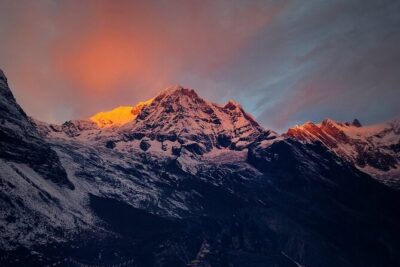
Browse the lists this tour appears in