
Reviewed · PASHUPATINATH TEMPLE TOURS
Pashupatinath: Evening tour of temple and Aarati ceremony
Pashupatinath is at its most powerful in the evening, when the last light fades over the Bagmati River and priests begin the Pashupati Aarati. Oil lamps, drums, bells, and ancient chants turn the riverbank into a place of ceremony rather than a simple sightseeing stop. The nearby cremation ghats add a serious note, showing how closely worship and death are joined in Hindu tradition.
I like two things here. First, a private guide gives you room to ask questions as you move among shrines and temples. Second, the three-hour timing gathers the visit around sunset, so you see the temple in daylight and then watch the ceremony after dark. The main consideration is that cremation rituals are intimate and can be emotionally heavy. This is not a casual photo stop, and respectful behavior matters.
In This Review
- Key points to know before you go
- Why the evening timing matters at Pashupatinath
- Entering the temple complex and its pagoda roofs
- Walking beside the Bagmati River
- Watching the Pashupati Aarati at sunset
- What the private guide adds
- Is $57 a fair price?
- Practical details that affect your visit
- Who will get the most from this experience?
- Should you book the Pashupatinath evening tour?
- FAQ
- How long does the Pashupatinath evening tour last?
- What is included in the $57 price?
- Is the tour private?
- What language does the guide speak?
- Will the tour include cremation ceremonies?
- Is the tour suitable for wheelchair users?
Key points to know before you go
- The Aarati is the main event: Priests use oil lamps, chants, and drums in a sunset ceremony beside the Bagmati River.
- The visit includes cremation ghats: You may see funeral rites taking place, so prepare for a quiet and serious part of the tour.
- A private English-speaking guide leads the way: You can ask questions and set the pace within the three-hour visit.
- Transportation and entry fees are included: The $57 price covers the main practical costs listed for the experience.
- The temple complex is a UNESCO heritage site: Its pagoda-style buildings, shrines, and sacred images give the visit cultural depth.
- Wheelchair users should choose another option: The activity is specifically listed as unsuitable for wheelchair users.
Why the evening timing matters at Pashupatinath
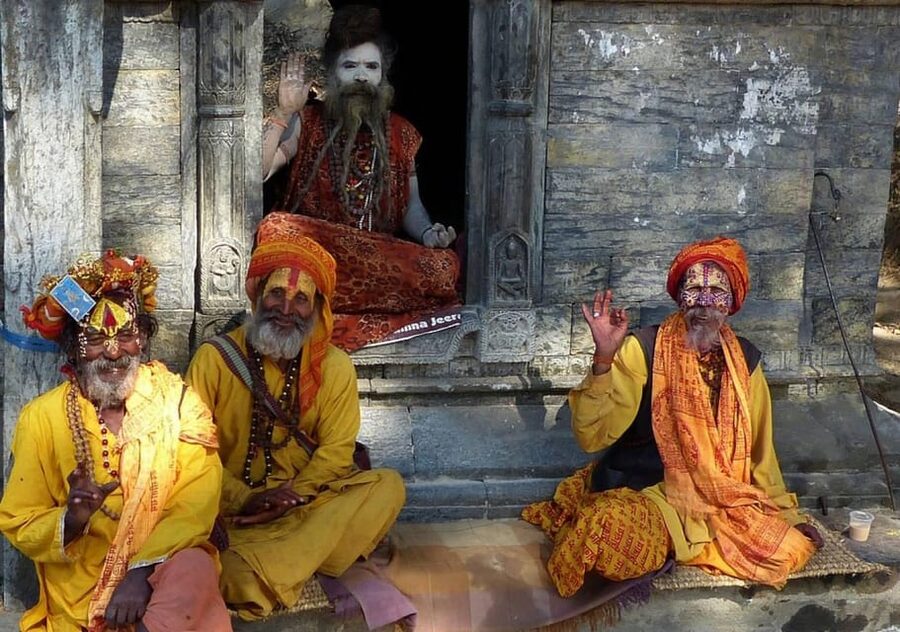
Pashupatinath is not just an old temple with attractive roofs. It is a working religious center, and the evening tour puts you there when daily worship reaches its most visible point. You begin with the complex in daylight, when you can take in the buildings and shrines, then remain for the ceremony by the river.
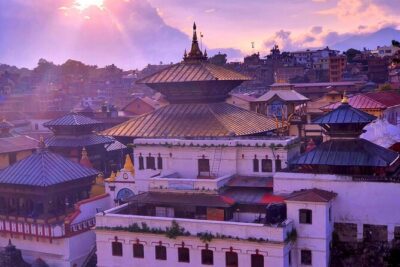
That timing gives the visit a natural rhythm. You have time to look closely at the architecture before the light fades. Later, lamps and chanting take over from carved details and golden roofs. I like this better than a quick daytime visit because you see both the physical place and the living ritual.
The three-hour length is also sensible. It is long enough to move through the grounds, walk by the Bagmati River, spend time near the ghats, and watch the Aarati without turning the evening into an exhausting half-day outing. The exact start time depends on availability, so check the schedule when booking.
More visits to Pashupatinath:
- Kathmandu Spiritual Sites: Bodhnath & Pashupatinath Tour
★ 5.0 · 185 reviews - Kathmandu: Pashupatinath Temple Evening Aarati Tour
★ 5.0 · 36 reviews - Kathmandu: Pashupatinath Temple Aarti Night Tour
★ 4.8 · 29 reviews
Entering the temple complex and its pagoda roofs
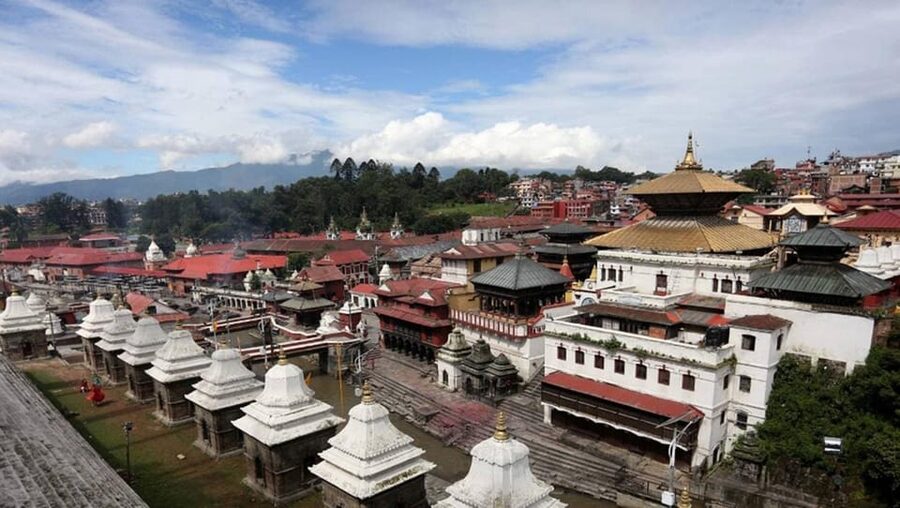
The visit begins as you approach the Pashupatinath complex in Kathmandu’s Bagmati Zone. The main temple has a pagoda-style design and a golden spire. Inside is the sacred lingam of Lord Pashupatinath, a form of Lord Shiva held in high regard by Hindu worshippers.
The architecture is one reason to pay attention before the ceremony begins. Shrines and murtis appear throughout the grounds, each connected to Hindu stories and religious practice. Your English-speaking guide can help explain what you are seeing, which makes a big difference in a complex filled with symbols that may otherwise look like a blur of statues, bells, and carved surfaces.
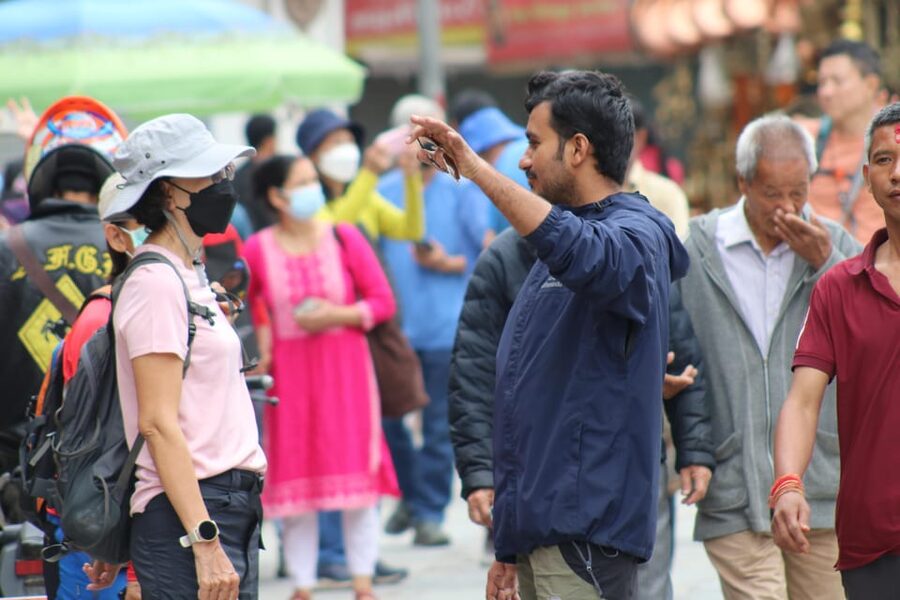
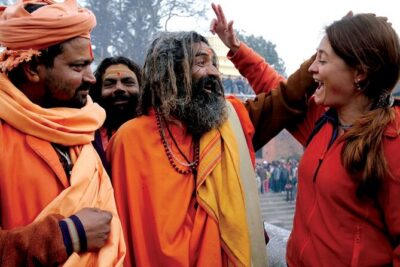
The atmosphere is active and devotional. You can expect incense, ringing bells, pilgrims, devotees, and people moving between shrines. This is a place of worship first and a sightseeing location second. Keep your voice low when appropriate, follow your guide’s directions, and avoid treating every sacred object as a photo prop.
The main temple’s religious importance also affects how you experience the site. The visit is not built around entering every interior space or checking off monuments. Instead, you move through a wider sacred complex where architecture, ritual, and ordinary movement all share the same ground.
Walking beside the Bagmati River
The Bagmati River gives Pashupatinath its setting and much of its emotional force. The tour takes you along the riverbank, where the ghats are used for cremation ceremonies. Here, families say farewell to loved ones through chanting, prayers, and established funeral rites.
This part requires the most care from you. A cremation is not a performance arranged for visitors. It is a private family moment taking place in a public religious setting. Watch quietly, keep a respectful distance, and let your guide explain the wider meaning without interrupting the ceremony.
For many people, this is the part of Pashupatinath that stays in the mind longest. The ghats connect the temple’s worship with Hindu ideas about death, rebirth, and the cycle of life. You are not simply looking at a river and a row of platforms. You are seeing a central part of Nepalese religious practice in progress.
The subject can feel confronting, especially if you have never seen an open-air cremation ceremony. That does not make it unsuitable, but it does mean you should choose this tour with the right frame of mind. If you want only architecture and pretty evening views, this experience may feel more serious than expected.
Watching the Pashupati Aarati at sunset
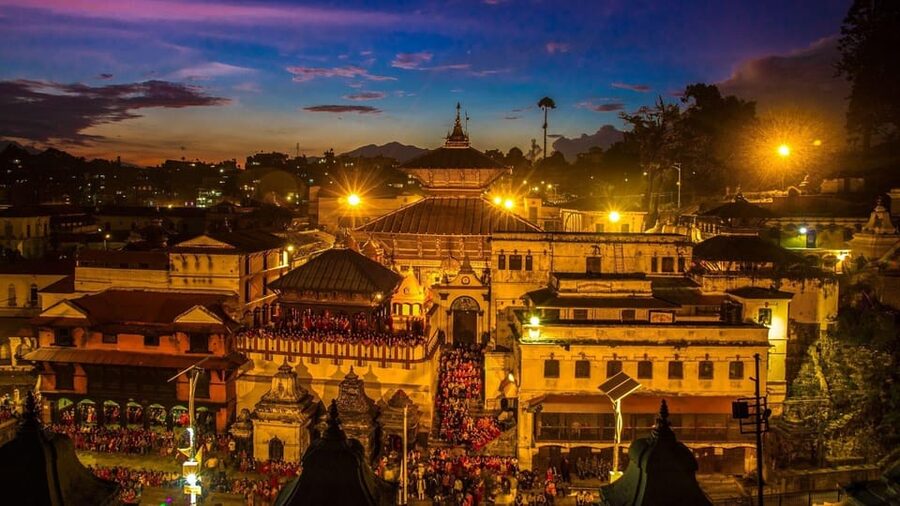
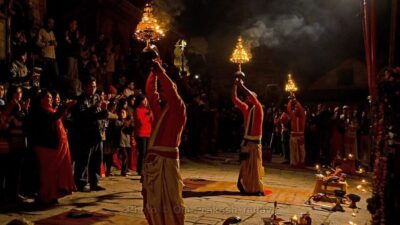
As sunset approaches, the focus shifts toward the riverbank ceremony. Priests in traditional clothing perform coordinated movements with oil lamps, known as diyas. Chanting, drums, and the glow of the lamps create a ceremony that is easy to follow even if you know little about Hindu worship.
The Aarati is a collective offering of prayer and reverence to Lord Pashupatinath. Its power comes from several elements working together: the movement of the priests, repeated mantras, the rhythm of drums, and the growing darkness around the lamps. You do not need specialist knowledge to understand that this is a serious act of devotion.
I like the way the ceremony brings together sound and sight. During the earlier part of the tour, your attention goes to temple roofs, statues, and the river. During Aarati, the light from the diyas becomes the visual focus, while the chanting and drums set the pace.
The ceremony is also a reminder that Pashupatinath is a living religious site. You are not watching a museum display or a staged cultural show. The ritual belongs to the worshippers and priests, and your role is to observe with care.
One useful detail from the experience is the chance to have tea during the visit. A cup of tea can be a small comfort during an evening spent walking and standing, though the listing does not specify the exact serving arrangements. It is best to think of this as a modest addition, not a meal.
More Kathmandu evenings:
- Kathmandu Sunset Tour by Rickshaw Including Durbar Square Visit
★ 5.0 · 73 reviews - 3 Nights 4 Days Chitwan National Park with Tower Night Stay
★ 5.0 · 41 reviews - 3 night 4 Day Yoga & Ayurveda Retreat to Detox the Body & Mind, Nepal
★ 5.0 · 37 reviews - Pashupatinath Evening Aarati: Few Divinely Hours in Kathmandu
★ 4.5 · 23 reviews
What the private guide adds
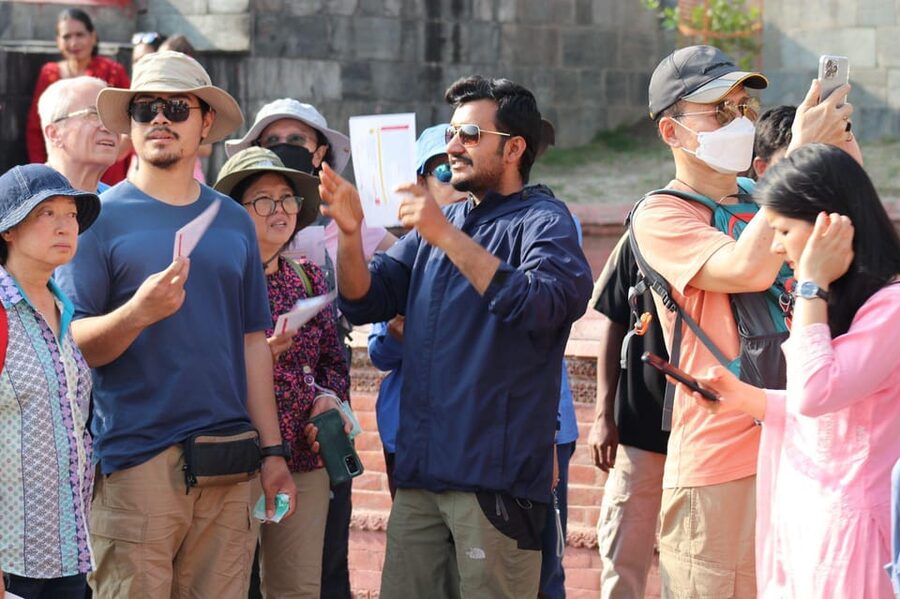
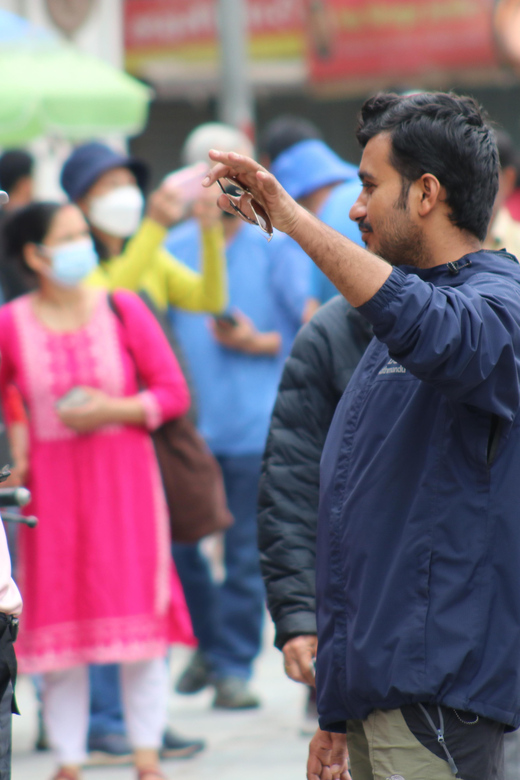
The tour uses a private group format with an English-speaking guide. That is a meaningful advantage at Pashupatinath, where the visual detail can be hard to read without context. A guide can connect the shrines, murtis, temple design, river ghats, and Aarati into one story.
A private tour also gives you a more personal setting than a large group. You can ask why a particular ritual is taking place, what a symbol means, or how the cremation ghats fit into the religious life of the complex. The exact guide’s name is not provided, so you cannot choose a named guide in advance.
The available feedback points to caring, pleasant guiding, and a positive overall experience. One person also singled out the tea as tasty. I would treat those comments as encouraging rather than a guarantee, since your experience can depend on the guide assigned and the conditions on the evening you visit.
The guide is especially useful during the cremation portion. You want someone who can provide cultural context without turning a family funeral into a lecture. A private format makes it easier to pause, ask questions quietly, or move on if the scene feels too personal.
Is $57 a fair price?
The cost is $57 per person. That is not the cheapest way to look around Pashupatinath, but the price includes transportation, entry fees, and a private English-speaking guide. Those inclusions matter because they remove several separate costs and reduce the work needed to arrange the visit yourself.
The strongest value comes from the timing and the guide. You are paying for a focused three-hour evening, not simply admission to a temple. The guide helps interpret the architecture and ceremonies, while transportation makes the outing easier to fit into a Kathmandu schedule.
If you already know Pashupatinath well, speak the local language, and are comfortable arranging your own transport, you may find the price harder to justify. If this is your first visit and you want the religious setting explained in English, the package is more attractive.
The private group format also changes the value calculation. You are not paying for a large coach excursion with a fixed script. You get a more personal visit, though the experience remains shaped by the temple’s rituals and the ceremony schedule.
Practical details that affect your visit
The activity lasts three hours, with starting times based on availability. Since the Aarati is tied to sunset and the timing of the ceremony, check the available start time carefully rather than assuming every departure works equally well.
Transportation is included, along with entry fees. The tour also offers skip-the-ticket-line access, which may save time at the entrance. The details do not specify the type of vehicle, pickup point, or hotel coverage, so confirm those arrangements before you finalize your booking.
The experience is conducted in English. It is a private group activity, which suits couples, families, or small groups who want to ask questions without competing with a larger crowd.
Pashupatinath involves walking through a historic temple complex and along the riverbank. The activity is not suitable for wheelchair users, so anyone with limited mobility should consider that restriction carefully before booking.
You can cancel up to 24 hours in advance for a full refund, and the reserve-now, pay-later option keeps you from paying at the time of booking. Those policies are useful if your Kathmandu plans may change, but they do not replace checking the exact meeting and departure details.
Who will get the most from this experience?
I would choose this tour if you want culture, religion, and serious human ceremony in the same outing. It suits first-time visitors who want more than a quick look at a famous temple, especially if you value explanations and prefer a private group.
It is also a good fit if you are curious about Hindu ideas surrounding worship, death, and rebirth. The cremation ghats may give you a stronger understanding of those traditions than a standard architecture tour would.
Families should consider the age and temperament of everyone attending. The ceremony itself is beautiful, but the funeral rites can be difficult for younger children or anyone sensitive to scenes connected with death.
Photography-minded visitors should also set realistic expectations. The temple architecture and Aarati lamps offer strong visual details, but the focus should remain on respectful observation. You may need to put the camera away during parts of the visit.
I would skip this activity if you want a relaxed evening with no solemn subject matter. I would also look elsewhere if wheelchair access is essential or if you prefer to explore independently without a guide.
Should you book the Pashupatinath evening tour?
Book it if you want to see Pashupatinath as a functioning place of faith, not just a historic building. The combination of shrines, the Bagmati River, cremation ghats, and the Aarati gives you a fuller understanding of why this site matters.
The $57 price is reasonable for a three-hour private tour with transportation, entry fees, and an English-speaking guide. Its value is strongest for first-time visitors who want cultural context and a carefully timed evening.
Go with respect and an open mind. The Aarati is memorable for its lamps, drums, and chanting, but the cremation rituals may change the tone of the night. That seriousness is part of the experience, and it is precisely why Pashupatinath can stay with you long after the lamps go out.
FAQ
How long does the Pashupatinath evening tour last?
The tour lasts three hours. Starting times depend on availability, so check the schedule when choosing your date.
What is included in the $57 price?
The price includes transportation, entry fees, and an English-speaking guide.
Is the tour private?
Yes. The activity is offered for a private group.
What language does the guide speak?
The live guide speaks English.
Will the tour include cremation ceremonies?
The route includes the Bagmati River ghats, where cremation ceremonies may take place. These are genuine religious and family rituals, so respectful observation is essential.
Is the tour suitable for wheelchair users?
No. The activity is listed as unsuitable for wheelchair users.
Recently added around Kathmandu
- Kathmandu : Swambhunath & Durbar Square Guided Half Day Tour★ 3.3 · 3 reviews
- Private Day Tour in Kathmandu Valley Rim with Bhaktapur Sightseeing★ 5.0 · 3 reviews
- From Kathmandu / Pokhara / Chitwan: River Rafting – 1 Day★ 4.6 · 3 reviews
- Nepali Cooking training & Cultural Homestay Experience★ 5.0 · 3 reviews
- Private 3-Hour Nagarkot Sunset Tour from Kathmandu★ 3.5 · 3 reviews
- From Kathmandu: Everest Base Camp Landing Helicopter Tour★ 5.0 · 3 reviews
- 4 UNESSCO World heritage sites of Kathmandu-private tour★ 5.0 · 3 reviews
- From Kathmandu Budget: 15 Day Everest Base Camp Trek★ 5.0 · 3 reviews
Pashupatinath Temple Tours, compared.
Kathmandu Spiritual Sites: Bodhnath & Pashupatinath Tour
Read our review →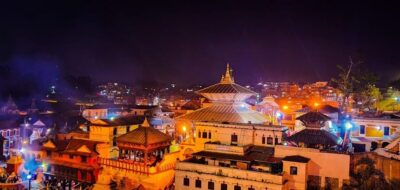
Pashupatinath Temple, Hindu Crematorium and Aarati in-depth Tour
Read our review →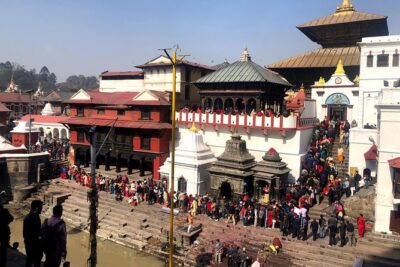
Pashupatinath Evening Aarati: Few Divinely Hours in Kathmandu
Read our review →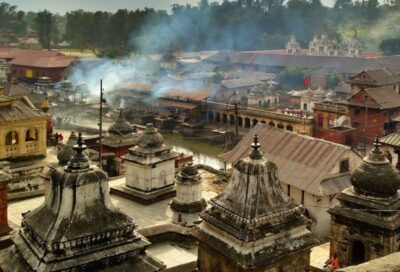
Sacred Pashupatinath: Aarati,Cremation Rites & Boudha Stupa
Read our review →
PashupatiNath and BoudhaNath – Private/Small Group
Read our review →Browse the lists this tour appears in