
Reviewed · HIKING & TREKKING
Upper Mustang Trekking
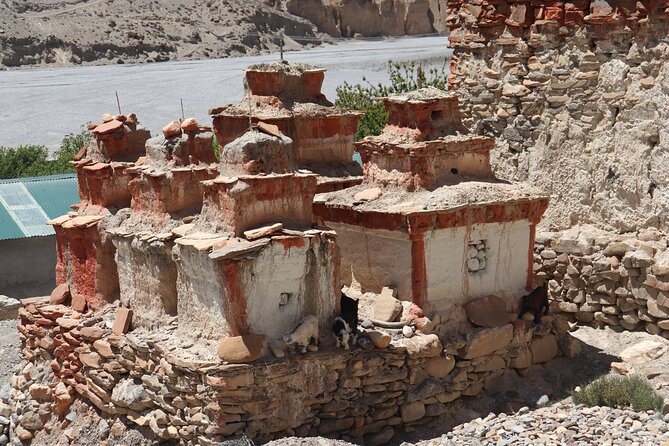
Upper Mustang is Nepal at its most unusual: a dry, high valley of mud-brick villages, cliffside trails, and Tibetan Buddhist monasteries far from the better-known trekking routes. The 18-day trip combines flights, buses, private transfers, lodge stays, and a full walking route to Lo Manthang.
I like the quiet feel of the route and the way it brings you into daily village life rather than keeping you on a polished tourist circuit. I also like the practical setup: a licensed guide, one porter for every two people, domestic flights, permits, breakfast, and most meals are included.
The main catch is that this is not a soft adventure. You need strong physical fitness, long walking days, patience with dusty and windy trails, and flexibility around mountain flights. The price is substantial, but it covers the costly Upper Mustang permit and much of the transport that makes this region difficult to reach independently.
In This Review
- Key Points to Know Before Booking
- Why Upper Mustang Feels So Different
- Days 1 and 2: Kathmandu, Permits, and a Gentle Start
- Day 3: The Long Bus Ride Toward Pokhara
- Days 4 and 5: Jomsom, Kagbeni, and the Restricted Area
- Days 6 and 7: Chhusang, Chele, and Syangboche
- Day 8: Ghiling and the Road to Tsarang
- Days 9 and 10: Reaching Lo Manthang
- Days 11 and 12: Dhakmar, Ghami, and More Monasteries
- Days 13 and 14: A Long Descent to Kagbeni
- Days 15 and 16: Jomsom, Flight Delays, and Pokhara
- Days 17 and 18: Returning to Kathmandu
- What the $2,400 Price Really Covers
- Fitness, Weather, and Daily Comfort
- Who Should Book This Upper Mustang Trek
- Booking Details and Cancellation Terms
- FAQ
- How long is the Upper Mustang Trek?
- Is the Upper Mustang permit included in the price?
- Do I need my original passport?
- How do I reach the trekking area?
- Are meals and accommodation included?
- What happens if I need to cancel?
- Should You Book It?
Key Points to Know Before Booking
- The USD 500 Upper Mustang permit is included: This covers 10 days in the restricted area and must be arranged with your original passport and Nepal visa.
- Lo Manthang gets a full exploration day: You have time for monasteries, the old palace, and the compact streets of the former Himalayan kingdom.
- The scenery is dry, stark, and remarkably different: Expect desert-like valleys, high Himalayan views, apple orchards, farms, and the Kali Gandaki River.
- The route uses domestic flights and long bus rides: You fly between Pokhara and Jomsom, then use tourist buses between Kathmandu and Pokhara.
- The walking days are demanding but not mainly about extreme altitude: The route generally remains below 4,000 meters, though the climbs, descents, wind, and rough ground still require fitness.
- This is a private trip: Only your own group takes part, supported by a government-licensed guide and porters.
Why Upper Mustang Feels So Different
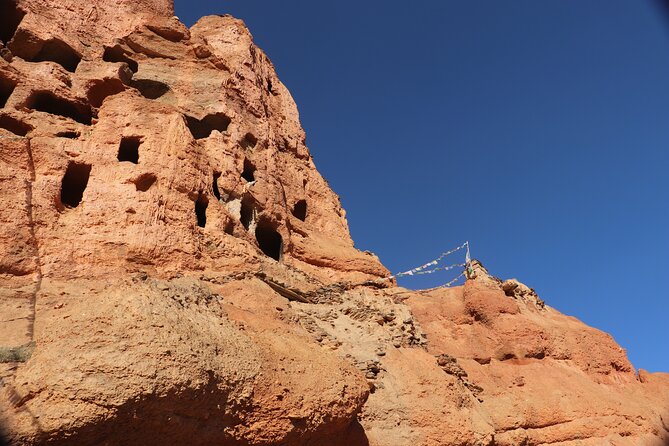
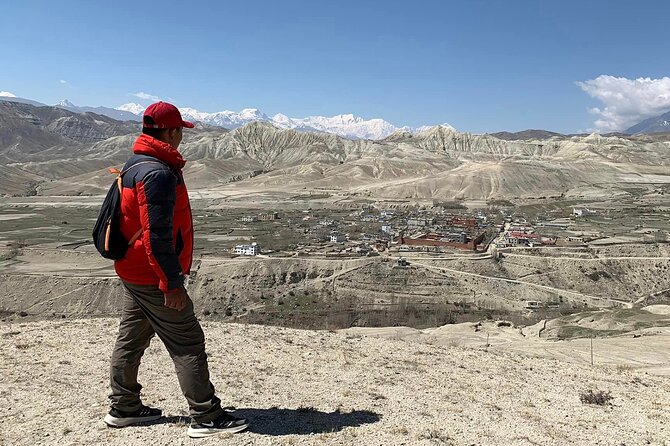
Upper Mustang sits in the rain shadow of the Himalayas, and the scenery feels closer to a high desert than the green foothills many people picture when they think of Nepal. The route follows dry river valleys, bare slopes, weathered cliffs, and old settlements shaped by Tibetan culture.
You will still see snow peaks. Dhaulagiri, at 8,167 meters, and Annapurna I, at 8,097 meters, appear from parts of the route, although the mountains can remain in the distance. The strongest visual contrast is between those white summits and the brown, red, and gray hills below.
I like that the walking is tied to real places. Apple gardens, farm plots, small villages, old monasteries, and local homes give the route more purpose than a simple march from lodge to lodge. You are not just checking off viewpoints. You are moving through a living cultural region.
The area is restricted, and that matters. Access requires a special permit, which helps explain the relatively low crowds and the higher price. You should not expect a busy trail with a lodge every few hours. The feeling is quieter and more remote, but services are also simpler.
More treks starting in Kathmandu:
- Everest Base Camp Trek – 14 Days
★ 5.0 · 1,499 reviews - Everest Base Camp Trekking
★ 5.0 · 485 reviews - Nagarkot Sunrise View and Day Hiking from Kathmandu
★ 5.0 · 471 reviews
Days 1 and 2: Kathmandu, Permits, and a Gentle Start
Your first day begins at Tribhuvan International Airport in Kathmandu, where a representative from Everest Trekking Routes meets you and transfers you to the hotel. Three nights of three-star accommodation in Kathmandu with breakfast are included.
Day two is used for permit preparation. If you wish, you can also visit sightseeing points in the Kathmandu Valley after breakfast. The important practical detail is your paperwork: the Upper Mustang permit requires your original passport and a valid Nepal visa.
This is a useful buffer day. Kathmandu can be hectic, and using the second day for permits gives you time to sort out documents before heading west. It also means you should not plan an elaborate independent side trip at this point. The permit process is central to the schedule.
Day 3: The Long Bus Ride Toward Pokhara
On day three, you walk about 10 minutes from the hotel to the tourist bus station and leave around 7:00 in the morning. The bus follows the Prithvi Rajmarg highway toward Pokhara, with a breakfast stop after roughly two hours.
The drive takes much of the day, so think of it as a transfer rather than a sightseeing excursion. Road conditions and traffic can affect the timing. The benefit is that this bus segment is already arranged and included, rather than left for you to organize after arriving in Nepal.
You spend the night in Pokhara. Two nights of accommodation with breakfast are included there, giving you a useful staging point before the flight to Jomsom.
Days 4 and 5: Jomsom, Kagbeni, and the Restricted Area
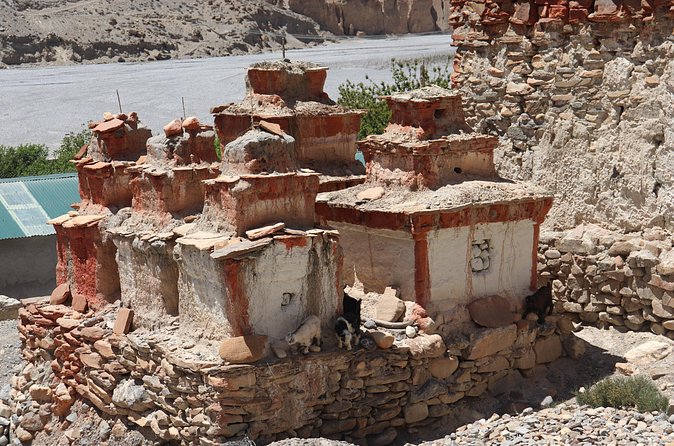
After breakfast on day four, you transfer to the domestic airport and fly to Jomsom, at 2,715 meters. The flight is short, but mountain weather can affect schedules, so keep your plans flexible.
From Jomsom, you walk for about four to five hours to Kagbeni. This is your first real trekking day, with views of the lower Mustang region and the popular Jomsom to Muktinath route. Kagbeni is a key settlement and the entry point for Upper Mustang.
Day five takes you from Kagbeni to Chhusang. At Kagbeni, your permit is checked before you enter the restricted area. The special permit costs USD 500 per person for 10 days, and it is included in the tour price.
That inclusion is one of the most important reasons to compare the $2,400 cost with care. This is not simply an 18-day walking package. A large government permit, domestic flights, bus transfers, hotels, meals, lodging, a guide, and porters are bundled together.
A completely different sort of day in Kathmandu:
- Private Kathmandu Sightseeing Tour | UNESCO World Heritage sites
★ 5.0 · 756 reviews - Everest Base Camp Helicopter Tour landing at Everest View Hotel
★ 5.0 · 668 reviews - Half day cooking class in Thamel kathmandu
★ 5.0 · 607 reviews - Kathmandu: Full Day 7 UNESCO Tour with Lunch – Private/Group
★ 5.0 · 415 reviews
Days 6 and 7: Chhusang, Chele, and Syangboche
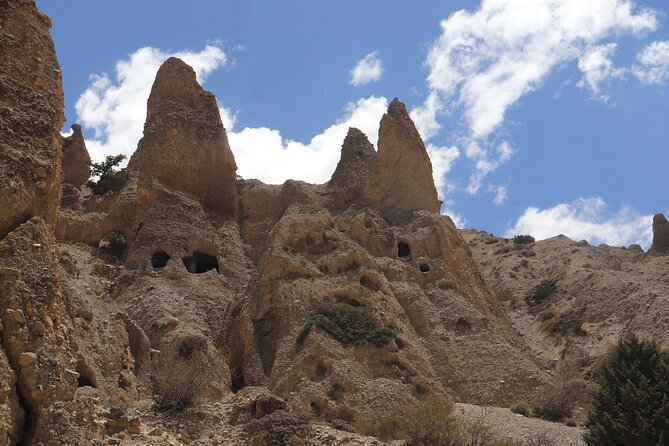
From Chhusang, the trail heads toward Somare and then continues through Chele and up toward Syangboche. Some stretches are fairly flat, but the route also includes a major climb after Chele. Expect roughly five to six hours of walking.
This section introduces the physical rhythm of Upper Mustang. You may begin the day on a firm, level trail and then face a sustained uphill stretch before lunch. The scenery rewards the effort with broad views of the high Himalayan range, including possible views toward Dhaulagiri and Annapurna I.
The route also passes an apple garden and village farmland. These details matter because they break up the dry scenery. Upper Mustang is not an empty desert. People still farm, tend orchards, and maintain settlements in a harsh environment.
Day seven includes another uphill section to Syangboche, with a lunch and rest stop along the way. The schedule uses ordinary trekking lodges and tea houses, so comfort is practical rather than luxurious. You should be ready for basic accommodation and simple routines.
Day 8: Ghiling and the Road to Tsarang
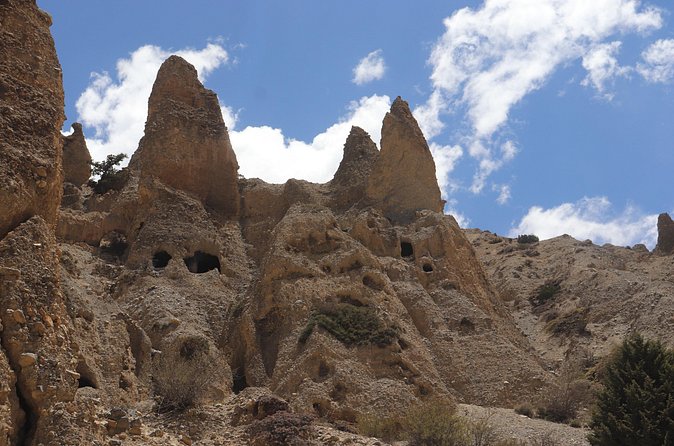
From the Syangboche area, the trail continues toward Ghiling, a village with farms and old monasteries, before reaching Tsarang. The route follows the direction of Lo Manthang and offers more of the dry valley scenery that defines the region.
Tsarang is described as one of the larger settlements on the route. Its size gives you a sense of how villages function here, with farming, homes, religious buildings, and trails linked together rather than separated into tourist zones.
Weather matters on this day. Clear conditions improve distant mountain views, while wind, dust, or cloud can make the walking less comfortable. The route is rewarding for people who enjoy wide, open scenery, but it may feel exposed if you prefer forested trails and frequent shade.
Days 9 and 10: Reaching Lo Manthang
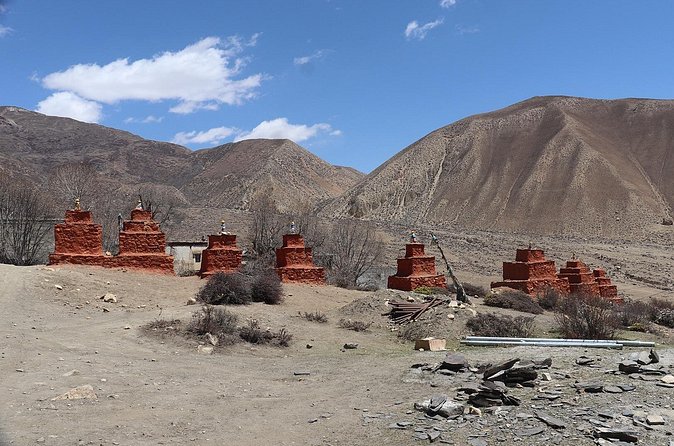
Day nine is the approach to Lo Manthang, usually a five to six-hour walk. You cross rivers and bridges and continue through a stark, open setting before reaching the city.
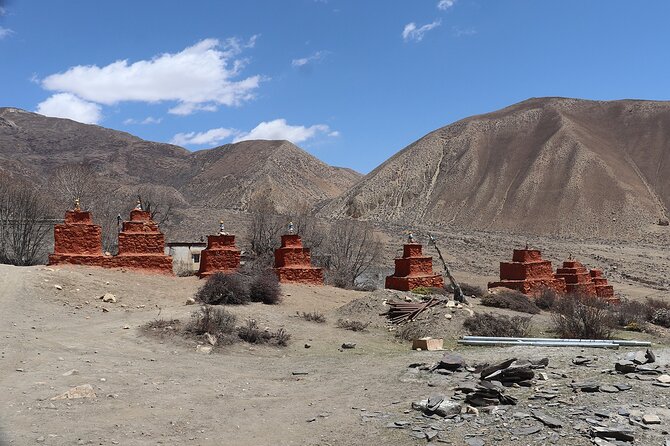
Lo Manthang is the cultural center of the trek. Its old walls, compact streets, monasteries, palace, and surrounding villages make it more than a rest stop. The settlement has long been associated with the former Mustang kingdom, and the built environment reflects its Tibetan Buddhist traditions.
Day ten is reserved for exploring Lo Manthang. You visit monasteries and the King’s Palace, with time to see the old city at a slower pace. This rest day is essential. It gives your legs a break after the approach and lets you pay attention to details that are easy to miss when you are carrying a pack and watching the trail.
I especially like this structure because many trekking schedules rush through their cultural center. Here, Lo Manthang receives a full day. You can focus on the old buildings, colorful village details, religious art, and local atmosphere without treating the city as a quick photo stop.
Days 11 and 12: Dhakmar, Ghami, and More Monasteries
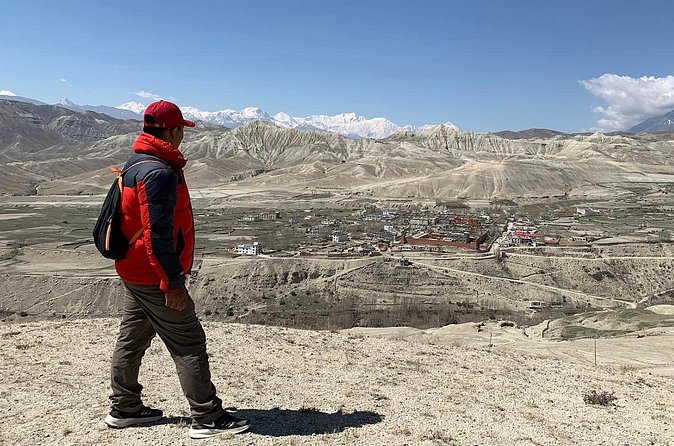
After Lo Manthang, day eleven takes you toward Dhakmar. The route begins with an uphill section toward a gompa, then continues through striking Upper Mustang scenery and areas linked to old monasteries.
Day twelve follows the valley toward Ghami. Ghami is another large village with a monastery and farming activity. Apple gardens and farm products provide a glimpse of how local communities use small cultivated areas in an otherwise dry setting.
These days are not simply a return route. You see familiar valleys from different angles and pass through settlements that were not on the approach to Lo Manthang. The walking remains physical, with uphill and downhill sections, and you should not mistake the lower crowd levels for an easy trail.
Accommodation remains in lodges and tea houses. Meals included in the package cover breakfast, lunch, and dinner according to the stated plan, though the inclusion list gives separate counts of 17 breakfasts and 16 lunches and dinners. It is sensible to confirm the final meal schedule before departure.
Days 13 and 14: A Long Descent to Kagbeni
Day thirteen takes you from Syangboche toward Chhusang by way of Samar, Bhena, and Chele. The route drops about 1,000 meters toward the Kali Gandaki River.
A long downhill can be as tiring as a climb, especially on uneven ground. Your knees and feet will notice the descent, so trekking poles and well-broken-in footwear would be sensible personal choices, though they are not listed as provided equipment.
Wind becomes a bigger factor as you approach the Kali Gandaki valley. The route can feel dusty, and the strongest winds often arrive later in the day. Day fourteen therefore begins early, with the aim of reaching Kagbeni before the powerful midday winds.
That early start is one of the most useful pieces of practical planning in the schedule. You should be ready for breakfast at an early hour and avoid assuming that every walking day can be taken at a leisurely pace.
Days 15 and 16: Jomsom, Flight Delays, and Pokhara
Day fifteen is an easier, shorter walk from Kagbeni to Jomsom. Once there, you check the flight schedule for the following day and have time to see the town. The itinerary also mentions apple brandy and other apple products made in the area.
Day sixteen depends on the flight timetable. You may have time for breakfast in Jomsom, or you may need to leave early for the airport. The flight to Pokhara takes about 25 minutes, followed by a transfer to your hotel.
Mountain flights are convenient, but they are weather-dependent. The schedule has some flexibility built in, yet you should still avoid booking an important international connection immediately after this trip. The package includes domestic air tickets, but it cannot control flight conditions.
You spend the night in Pokhara, where your included hotel stay gives you time to rest before the final road transfer.
Days 17 and 18: Returning to Kathmandu
On day seventeen, you make a short transfer to Pokhara’s tourist bus park and take a tourist bus back to Kathmandu. The journey is expected to take about seven hours.
Like the earlier bus trip, this is a functional travel day. It is long, but the transport is arranged and included. You spend the night in Kathmandu before your final departure.
On day eighteen, the company transfers you to Tribhuvan International Airport. Airport, hotel, and airport transfers by private car, van, or bus are included, which makes the final day simple.
What the $2,400 Price Really Covers
At $2,400 per person, this trek is not a bargain-basement Nepal trip. It is also not an unreasonable price for a restricted-area journey with domestic flights and organized support.
The package includes:
- Three nights in a three-star Kathmandu hotel with breakfast
- Two nights in a Pokhara hotel with breakfast
- Lodge and tea house accommodation during the trek
- Tourist bus transport between Kathmandu and Pokhara
- Domestic flights between Pokhara and Jomsom
- Annapurna Conservation Area permits
- The USD 500 Upper Mustang permit for 10 days
- A government-licensed trekking guide
- Porters at a ratio of one porter for two people
- Breakfast, lunch, and dinner as specified in the package
- Airport and hotel transfers
- Government taxes and service charges
The main extra costs are personal expenses, tips for the guide, porters, and driver, and any additional hotel nights in Kathmandu or Pokhara. You should also allow room in your budget for drinks, snacks, charging, and souvenirs, since personal spending is not covered.
The value improves if you want a managed trip and do not want to arrange permits, flights, porters, buses, and accommodation yourself. The price is less compelling if you already have a Nepal trekking network and prefer to organize each part independently.
Fitness, Weather, and Daily Comfort
The operator requires strong physical fitness, and you should take that seriously. Walking days commonly run for four to six hours, with major climbs, steep descents, exposed trails, dust, and strong valley winds.
The route generally does not focus on extreme altitude, and the highest sections rarely exceed 4,000 meters according to the trip information. Still, altitude affects people differently, and physical conditioning remains important even when a route is not among Nepal’s highest.
The scenery can be dusty. That is part of the Upper Mustang experience, not a rare inconvenience. Wind can become especially strong after midday near Kagbeni and the Kali Gandaki valley, so an early start is often more comfortable.
The accommodations are lodges and tea houses, not upscale hotels. You get the benefit of staying close to the route and local settlements, but you should expect simple facilities. This setup suits you if authentic village access matters more than polished comfort.
Who Should Book This Upper Mustang Trek
I would recommend this trip to you if you want a quiet cultural trek with unusual scenery, enjoy long walking days, and value having logistics handled by a local company.
It is especially suitable for people interested in Tibetan Buddhist villages, monasteries, traditional settlements, and the former city of Lo Manthang. The route also works well if you want Himalayan views without choosing a trek focused entirely on very high passes.
I would hesitate to recommend it if you dislike basic lodges, dusty roads, long bus journeys, or changing flight schedules. It is also a poor fit if you want a relaxed holiday with short walks and plenty of free time.
The private format is useful for couples, families with strong hikers, and small groups that want some control over pace and requests. The company has adapted arrangements to individual requests in the past, but you should discuss any special needs before booking.
Booking Details and Cancellation Terms
Pickup is offered, and the activity operates daily between 8:45 AM and 6:45 PM during the stated operating period. Confirmation is received at booking, and the tour is a private activity for your own group.
You can receive a full refund if you cancel at least six full days before the local start time. Cancellation two to six full days ahead qualifies for a 50 percent refund, while cancellation less than two full days before the start time is nonrefundable. Changes inside those cutoffs are not accepted.
FAQ
How long is the Upper Mustang Trek?
The trip lasts approximately 18 days, including arrival and departure in Kathmandu, transport days, the trek from Jomsom, time in Lo Manthang, and the return to Kathmandu.
Is the Upper Mustang permit included in the price?
Yes. The package includes the special Upper Mustang permit priced at USD 500 per person for 10 days, along with the Annapurna Conservation Area permit.
Do I need my original passport?
Yes. The permit arrangements require your original passport and a Nepal visa.
How do I reach the trekking area?
You travel by tourist bus between Kathmandu and Pokhara, then fly from Pokhara to Jomsom. The return follows the same pattern in reverse, with a flight from Jomsom to Pokhara and a bus from Pokhara to Kathmandu.
Are meals and accommodation included?
Yes. The package includes lodge or tea house accommodation during the trek, three nights in Kathmandu, two nights in Pokhara, breakfast, and the stated lunch and dinner services. Extra hotel nights and personal expenses are not included.
What happens if I need to cancel?
A full refund is available when you cancel at least six full days before the experience begins. A cancellation two to six full days ahead receives a 50 percent refund, and cancellations less than two full days before the start time receive no refund.
Should You Book It?
Book this trek if you want Nepal’s least ordinary walking experience, with old monasteries, dry Himalayan valleys, apple gardens, small farms, and a full day in Lo Manthang. The permit, guide, porter, domestic flights, buses, meals, and lodging make the $2,400 price easier to justify.
Do not book it expecting comfort, easy trails, or a tightly controlled schedule. You need fitness, flexibility, and a tolerance for wind, dust, basic accommodation, and possible flight changes.
For the right person, the reward is a rare look at a distinct Himalayan culture with fewer crowds and a strong sense of place. The Upper Mustang Trek is best chosen for its character, not for convenience.
Recently added around Kathmandu
- Kathmandu : Swambhunath & Durbar Square Guided Half Day Tour★ 3.3 · 3 reviews
- Private Day Tour in Kathmandu Valley Rim with Bhaktapur Sightseeing★ 5.0 · 3 reviews
- From Kathmandu / Pokhara / Chitwan: River Rafting – 1 Day★ 4.6 · 3 reviews
- Nepali Cooking training & Cultural Homestay Experience★ 5.0 · 3 reviews
- Private 3-Hour Nagarkot Sunset Tour from Kathmandu★ 3.5 · 3 reviews
- From Kathmandu: Everest Base Camp Landing Helicopter Tour★ 5.0 · 3 reviews
- 4 UNESSCO World heritage sites of Kathmandu-private tour★ 5.0 · 3 reviews
- From Kathmandu Budget: 15 Day Everest Base Camp Trek★ 5.0 · 3 reviews
Hiking & Trekking, compared.
Nagarkot Sunrise View and Day Hiking from Kathmandu
Read our review →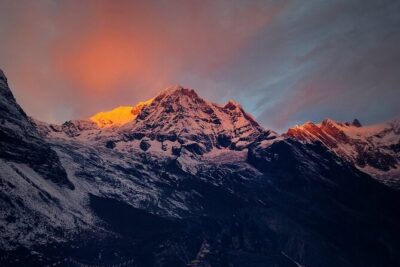
Browse the lists this tour appears in