
Reviewed · EVEREST BASE CAMP TREKS
Everest Base Camp Helicopter Tour with Stop at Everest View Hotel
Mount Everest comes into view without asking you to spend two weeks on a trail. This half-day helicopter trip from Kathmandu takes you toward Everest Base Camp and Kala Patthar, then gives you time at Syangboche’s Hotel Everest View. You get mountain views, a look at Lukla’s famous airstrip, and the freedom to spend the rest of your day in Kathmandu.
I like the guaranteed window seat, since a blocked view would be a cruel joke on an Everest flight. I also like the choice of skipping breakfast or paying $35 for a meal at Hotel Everest View, letting you control the cost.
The main drawback is price: $1,575 per person is a serious splurge, and weather can cancel the trip. The helicopter flies over Everest Base Camp rather than landing there, so this is a scenic visit, not a substitute for standing at the trekking camp itself.
In This Review
- Key points before you book
- Why this is the fast way to see Everest
- Kathmandu pickup and the early start
- Flying toward Lukla and the Everest region
- Everest Base Camp from above
- Kala Patthar at 5,545 meters
- Syangboche and Hotel Everest View
- The return to Kathmandu
- Is $1,575 a fair price?
- What to pack and how to prepare
- Who should choose this Everest flight?
- Should you book it?
- FAQ
- How long does the Everest Base Camp helicopter tour take?
- What time does the tour start?
- Does the helicopter land at Everest Base Camp?
- Is breakfast included at Hotel Everest View?
- What extra fees must I pay?
- What happens if bad weather cancels the flight?
Key points before you book
- Kala Patthar is the main photo stop: At 5,545 meters, it offers one of the closest helicopter-accessible viewpoints toward Mount Everest.
- Everest Base Camp is a flyover: The helicopter does not land at the camp, but you see the historic starting point for summit expeditions from above.
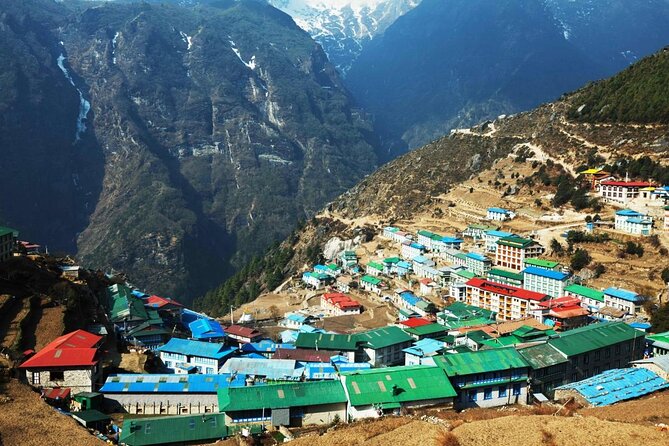
- Hotel Everest View gives you ground time: The landing at Syangboche, at 3,780 meters, is the practical stop for photographs and optional breakfast.
- Lukla adds a bit of aviation drama: The helicopter may stop there for fuel, and you might see an aircraft use its short mountain runway.
- The tour stays small: A maximum of 10 people and a guaranteed window seat make it easier to see and photograph the peaks.
- Plan for cold and altitude: Carry warm clothing and a passport copy, and remember that the trip requires good weather.
Why this is the fast way to see Everest
A trek to Everest Base Camp takes time, stamina, and a willingness to sleep in simple mountain lodges. This flight offers a very different bargain. You trade the slow passage through villages and high valleys for a compact morning above some of the world’s highest peaks.
I see this tour as a strong option if you have only a few days in Nepal, cannot commit to a long trek, or want a broad view of the Everest region before returning to Kathmandu. You will not get the physical achievement of walking to Base Camp, but you will see the high points from the air and spend time at one of the region’s signature viewpoints.
The schedule begins with a 6:00 am pickup. That early hour matters. Mountain weather can shift quickly, so a morning departure gives the flight its best chance of clear views. It also leaves the rest of your day open, though you should not treat that spare time as a promise until the helicopter has returned.
The tour lasts about five to six hours, including transfers, flight segments, stops, and the return journey. The supplied flight-time detail lists four to five minutes, which appears to describe only part of the flying schedule rather than the complete Kathmandu to Everest journey. In practical terms, expect a morning built around several aerial legs and a stop at Syangboche.
More ways to trek to Everest Base Camp:
- Everest Base Camp Trek – 14 Days
★ 5.0 · 1,499 reviews - Everest Base Camp Helicopter Tour landing at Everest View Hotel
★ 5.0 · 668 reviews - Everest Base Camp Trekking
★ 5.0 · 485 reviews
Kathmandu pickup and the early start
Private hotel pickup and drop-off are included within Kathmandu Valley. That is useful at dawn, when arranging your own ride can be a nuisance, especially if you are unfamiliar with the city or carrying warm layers and a camera.
The first stop is Kathmandu itself, where the day begins with your transfer to the airport or departure point. No admission fee applies to this opening stop. The city is less important here as a sightseeing destination than as your launch point into the high Himalayas.
Keep your morning simple. Have your passport copy ready, wear clothes that can handle cold air, and avoid carrying anything you do not need. The operator sets a total passenger weight limit of 221 pounds per person, so this is one of those rare tours where the scale can matter as much as your camera.
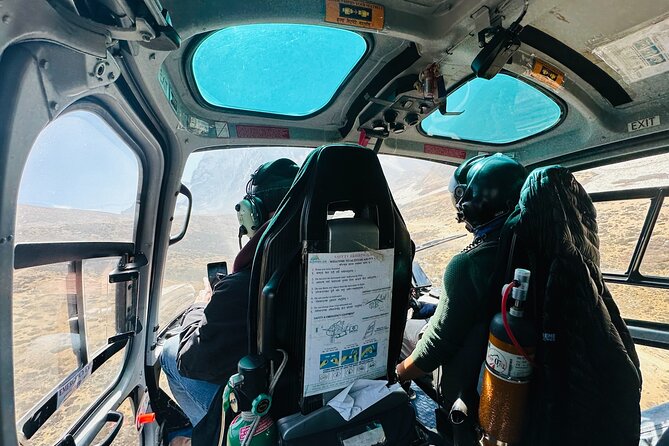
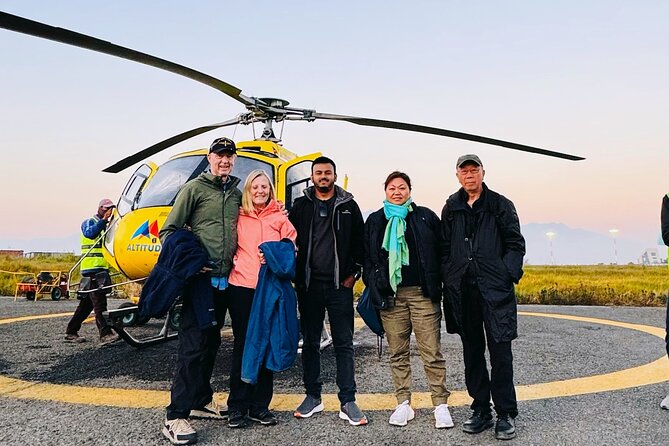
The group can include up to 10 people. That is small enough to keep the operation manageable, though the helicopter itself will determine how crowded the cabin feels. The guaranteed window seat is a real advantage. You can watch the peaks rather than trying to photograph them through someone else’s shoulder.
Flying toward Lukla and the Everest region
The route includes Lukla, the main gateway to the Everest area and home to one of the world’s most demanding airports. Its runway is short and surrounded by mountains, so the airstrip itself becomes part of the show.
The helicopter may stop briefly at Lukla for refueling. The exact timing can depend on the day’s flying conditions, but this is also a chance to see the airport at close range. One especially memorable possibility is watching a plane land on the short runway. Do not count on a full airport visit or a fixed viewing schedule, but keep your eyes open if the helicopter pauses there.
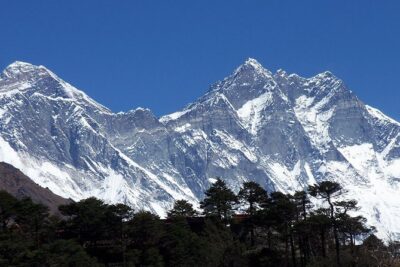
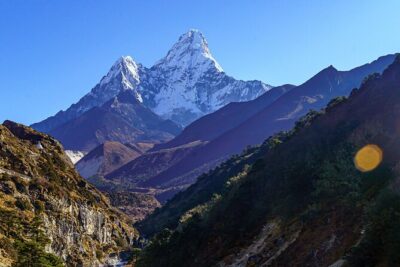
From Lukla, the route continues toward the upper Everest region. You will see the terrain change as the helicopter gains height. The appeal is not just Mount Everest itself. The surrounding ridges, glaciers, valleys, and sharp peaks give you a sense of how large and severe this part of Nepal really is.
Helicopter travel gives you a view that a ground itinerary cannot match. A trekking route shows the mountains in stages, while the flight lets you see the folds of the region from above. The tradeoff is that the experience moves quickly. You will have little time to absorb each valley before the next view arrives, so use the window seat well.
Everest Base Camp from above
Everest Base Camp sits at 5,364 meters, or 17,598 feet. It is the historic staging point for climbers heading toward the summit, but the helicopter does not land there on this tour.
That distinction deserves clear attention. If your dream is to plant your boots at the actual camp, this trip will not fulfill it. You will fly over the site and see the area from the air, but your ground stop comes later at Hotel Everest View in Syangboche.
Still, the flyover has value. From above, you can connect the famous name with the massive setting around it. The camp is not an isolated attraction floating below the summit. It is part of a high, rough region shaped by glaciers, rock, snow, and steep mountain walls.
The helicopter also lets you see more than you could on a short walk around the camp. Your view is broad and immediate, though it depends heavily on cloud cover. If the peaks disappear behind weather, no camera setting can fix the problem.
More Everest helicopter days:
- Everest Base Camp Helicopter Tour landing at Hotel Everest View
★ 5.0 · 218 reviews - Everest Base Camp helicopter tour with landing
★ 5.0 · 61 reviews - Everest Base Camp Helicopter Tour with Hotel Everest View Landing
★ 5.0 · 52 reviews - Everest Base Camp Helicopter Tour landing at Everest View Hotel.
★ 5.0 · 34 reviews
Kala Patthar at 5,545 meters
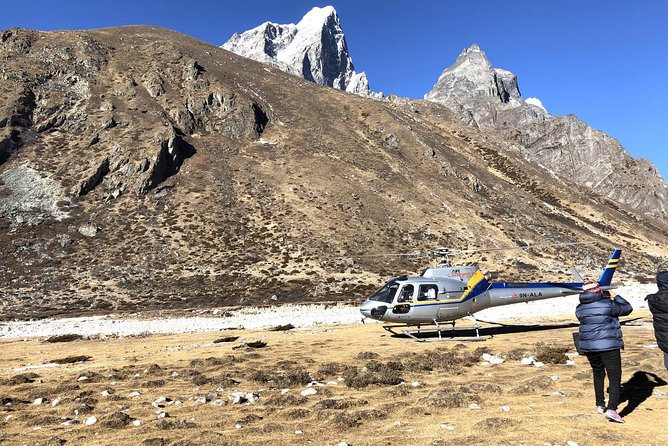
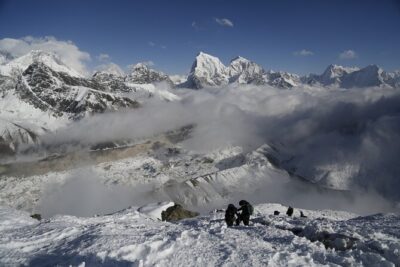
Kala Patthar is the high point of the scenic flight, both in altitude and in photographic value. At 5,545 meters, or 18,192 feet, it is known as one of the best viewpoints for close views of Mount Everest.
The supplied tour details describe the helicopter flight to Kala Patthar and photo opportunities there. Treat this as a viewpoint experience rather than a long walking stop. The appeal is the position: you reach a famous Everest outlook without the many days of uphill travel needed on foot.
You will want your camera ready before arrival. The guaranteed window seat helps during the approach, while the time near Kala Patthar gives you a chance to frame Everest and the surrounding peaks. Because the stop sits so high, keep your warm clothing accessible rather than buried in a bag.
The high altitude is also a practical concern. Even though you are not trekking for days, the helicopter takes you rapidly to an extreme elevation. The tour information says most people can participate, but it also tells you to carry warm clothing. If you have concerns about high altitude or cold, speak with a medical professional before booking. Do not mistake a short visit for an altitude-free experience.
Syangboche and Hotel Everest View
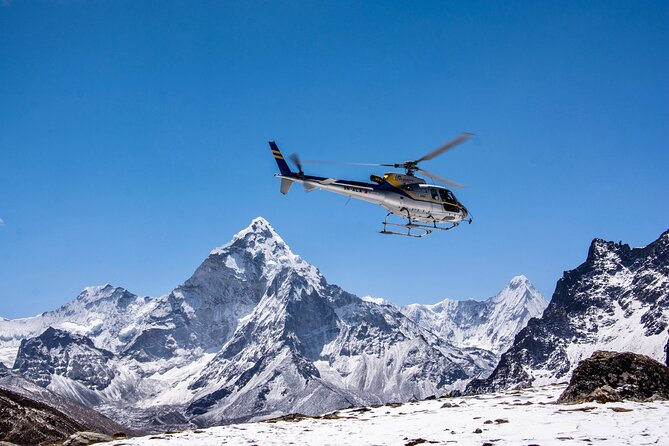
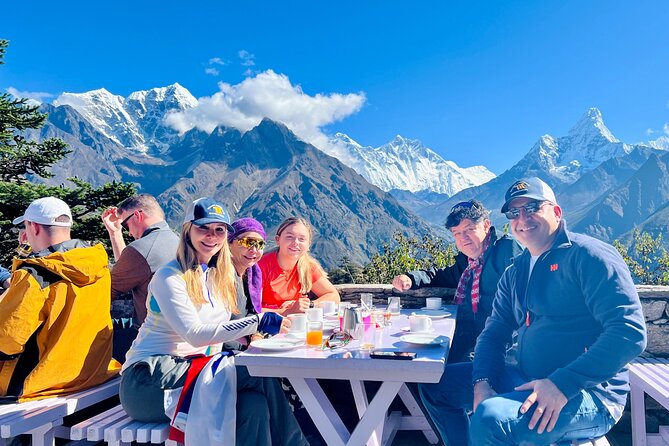
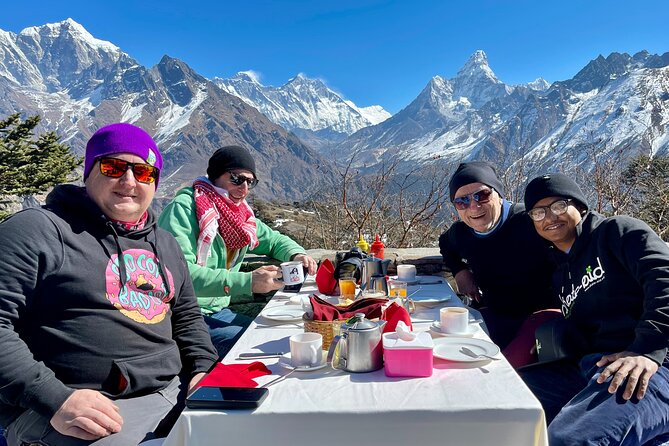
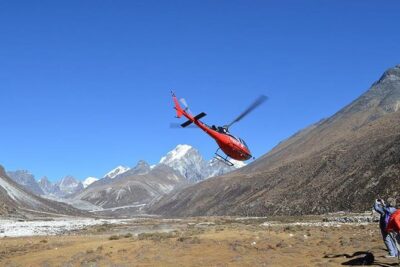
After the high-altitude views, the helicopter lands at Syangboche, at 3,780 meters. This is the tour’s main ground stop and lasts about an hour.
The stop includes a visit to Hotel Everest View, described as the world’s highest-altitude luxury hotel. The building offers a comfortable setting for photographs and a chance to look back toward the mountains from a lower, more settled viewpoint.
This stop gives the trip a useful change of pace. Kala Patthar is about the high mountain outlook. Syangboche lets you slow down, take photographs from the ground, and enjoy the atmosphere of the Everest region without committing to a trek.
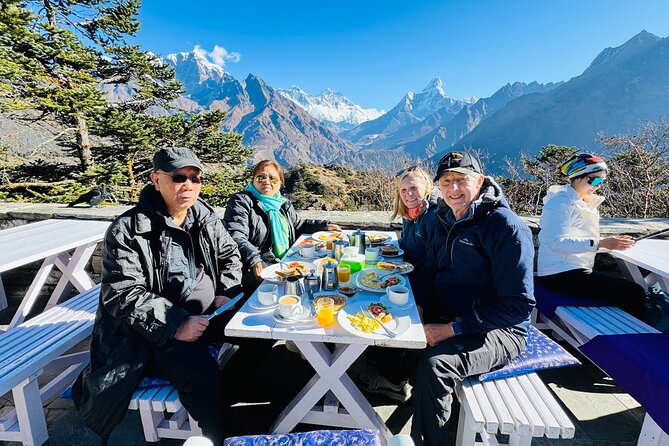
Breakfast at Hotel Everest View costs an additional $35 per person. I would choose it only if the meal and hotel setting are important to you. If your main goal is mountain photography, you may prefer to skip the extra charge and keep the focus on the scenery.
The breakfast option does add a pleasant touch for people who want a more leisurely morning. It also gives you a place to warm up before the return flight. Just remember that the tour includes landing for photography, not an unlimited hotel stay.
The return to Kathmandu
After roughly an hour at Syangboche, you fly back toward Kathmandu. The helicopter may stop again at Lukla for fuel. This second pass can offer another chance to watch the airport, though refueling needs take priority over sightseeing.
The return journey gives you a different way to read the terrain. You may notice how quickly the high peaks give way to lower valleys and settled areas. The shift is part of the appeal of flying, but it also shows why a helicopter tour cannot replace a trek. The flight reveals the region in a short burst, while a trek gives you days to notice villages, trails, weather, and changing altitude.
The listed return segment in Kathmandu takes about 30 minutes. Once you reach the city and are dropped at your hotel, the rest of the day is free. That works well if you have an afternoon museum visit, a meal planned, or a later departure.
Still, leave some flexibility in your schedule. Weather is central to this experience, and flight plans can change. The operator offers another date or a full refund if poor weather cancels the tour, but a cancellation can still disrupt carefully arranged plans.
Is $1,575 a fair price?
At $1,575 per person, this is not a budget activity. The value depends on what you are buying and what you are avoiding.
The price includes private Kathmandu Valley transfers, the helicopter flight toward Everest Base Camp and Kala Patthar, the Hotel Everest View landing for photographs, a professional pilot, and a guaranteed window seat. The small group, with a maximum of 10 people, also helps spread helicopter costs among the passengers.
Compared with arranging a private helicopter, a shared tour can make the flight more attainable. Compared with trekking, it saves considerable time and avoids the cost of a long route with accommodation, food, permits, porters, and internal transport. But the tour price remains high because the experience is built around aircraft access to a remote, weather-sensitive part of Nepal.
Budget at least another $50 per person for the national park entry fee, airport tax, and Khumbu village development fee. Breakfast is optional at $35. Drinks, personal expenses, and tips are extra.
That makes the real cost higher than the headline figure. I would only book it if Everest is a central priority for your Nepal trip and the price will not leave you worrying about every other meal and activity.
What to pack and how to prepare
Bring warm clothing. The aircraft cabin may feel comfortable, but the high viewpoints and outdoor photography stop can be cold. Wear layers that you can reach quickly.
Carry a copy of your passport. A phone photograph is accepted, which makes this easy, but do not leave the document detail until the morning of departure.
Keep your camera or phone close at hand. The guaranteed window seat means you have a good chance to shoot from the cabin, and the best views can pass quickly. A simple phone can capture the moment, but a fully charged device is essential.
Remember the weight rule: total passenger weight is limited to 221 pounds. The supplied information does not state how excess weight is handled, so ask the provider before booking if you may be near the limit.
The tour requires good weather and a minimum number of participants. If weather cancels the flight, you can choose another date or receive a full refund. If the minimum group size is not reached, the same type of alternative or refund applies.
Cancellation is free up to 24 hours before the 6:00 am start. Changes or cancellations made less than 24 hours ahead are not refunded, so do not wait until the last minute if your plans change.
Who should choose this Everest flight?
I would recommend this tour to you if you have limited time in Nepal, want a broad view of Everest, or cannot take on a long trek. It also suits photographers and first-time visitors who want a strong mountain morning without giving up an entire trip to the trail.
It is a good fit for people who value convenience. Hotel pickup, a small group, and a guaranteed window seat remove several common hassles. The free afternoon also makes it easier to fit into a short Kathmandu stay.
I would be more cautious if you want an authentic trekking experience. You will not walk through the Khumbu villages, spend nights on the trail, or reach Base Camp on foot. The stop at Hotel Everest View provides ground time, but the tour remains an aerial visit.
I would also think twice if your budget is tight or your schedule cannot absorb a weather cancellation. Even with the refund policy, a canceled morning can be inconvenient if you have a flight or fixed appointment later that day.
Should you book it?
Book this Everest Base Camp helicopter tour if you want the biggest possible view in the shortest practical time and can accept the price. The strongest features are the Kala Patthar viewpoint, the Syangboche stop, the guaranteed window seat, and the chance to see Lukla’s remarkable airport.
Do not book it expecting to land at Everest Base Camp or receive the personal sense of achievement that comes from trekking there. You are paying for access, time saved, and scenery, not for a complete Everest expedition.
For the right person, this is a memorable and efficient way to meet the world’s highest mountain. For everyone else, the high cost and weather risk may make a longer, slower Nepal experience a better use of money.
FAQ
How long does the Everest Base Camp helicopter tour take?
The experience lasts approximately five to six hours, including Kathmandu transfers, flight segments, the Syangboche stop, and the return journey.
What time does the tour start?
The scheduled start time is 6:00 am. Hotel pickup is provided within Kathmandu Valley.
Does the helicopter land at Everest Base Camp?
No. The helicopter flies over Everest Base Camp, which sits at 5,364 meters, and continues to Kala Patthar. The landing for photographs takes place at Hotel Everest View in Syangboche.
Is breakfast included at Hotel Everest View?
No. Breakfast is optional and costs $35 per person. The tour includes the landing at Hotel Everest View for photography.
What extra fees must I pay?
The national park entry fee, airport tax, and Khumbu village development fee cost $50 per person. Personal expenses, drinks, tips, and optional breakfast are not included.
What happens if bad weather cancels the flight?
If poor weather cancels the experience, you will be offered a different date or a full refund. The tour also requires a minimum number of participants, with the same type of alternative or refund if that minimum is not met.
More Helicopter Tours in Kathmandu
- Everest Base Camp Trek with Helicopter Return from Gorakshep to Lukla
★ 5.0 · 161 reviews - Guaranteed Landing at Everest Base Camp Kalapathar by Helicopter
★ 5.0 · 38 reviews - Everest Base Camp Trek with Helicopter Return to Lukla – 10 Days
★ 5.0 · 34 reviews - Kathmandu: Everest Base Camp Helicopter Tour
★ 4.9 · 30 reviews
More Everest View Treks in Kathmandu
- From Kathmandu: Everest View from Nagarkot & hike to Changu
★ 4.8 · 140 reviews - Mt Everest view from Nagarkot -hiking to Changu UNESCO site
★ 4.5 · 64 reviews - Everest Base Camp Helicopter Tour Stop at Hotel Everest View.
★ 5.0 · 17 reviews - Everest Panorama Helicopter Tour
★ 5.0 · 16 reviews
Recently added around Kathmandu
- Kathmandu : Swambhunath & Durbar Square Guided Half Day Tour★ 3.3 · 3 reviews
- Private Day Tour in Kathmandu Valley Rim with Bhaktapur Sightseeing★ 5.0 · 3 reviews
- From Kathmandu / Pokhara / Chitwan: River Rafting – 1 Day★ 4.6 · 3 reviews
- Nepali Cooking training & Cultural Homestay Experience★ 5.0 · 3 reviews
- Private 3-Hour Nagarkot Sunset Tour from Kathmandu★ 3.5 · 3 reviews
- From Kathmandu: Everest Base Camp Landing Helicopter Tour★ 5.0 · 3 reviews
- 4 UNESSCO World heritage sites of Kathmandu-private tour★ 5.0 · 3 reviews
- From Kathmandu Budget: 15 Day Everest Base Camp Trek★ 5.0 · 3 reviews
Everest Base Camp Treks, compared.
Everest Base Camp Helicopter Tour landing at Everest View Hotel
Read our review →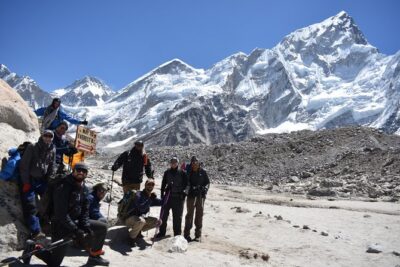
Everest Base Camp Helicopter Tour landing at Hotel Everest View
Read our review →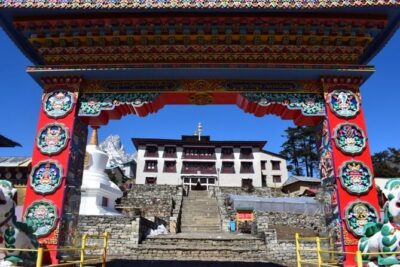
Browse the lists this tour appears in