
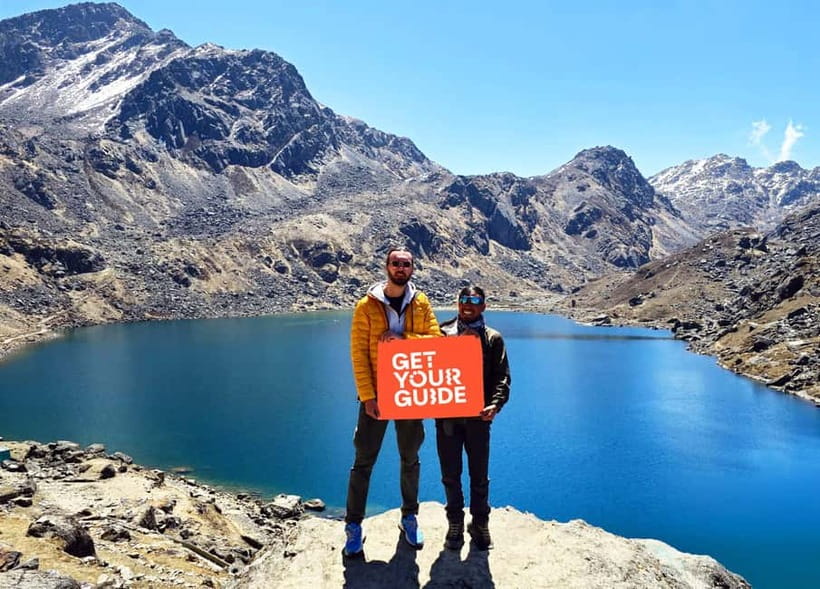
Reviewed · HIKING & TREKKING
From Kathmandu: 5-Day Gosaikunda Lake Trek
Gosaikunda is the prize here: a sacred, high-altitude lake reached by a short but demanding trek through Langtang National Park. You get Himalayan views, forest trails, and a taste of Nepalese mountain life without committing to a two-week route.
I like the small group of up to 14 and the practical gear loan, especially the sleeping bag, down jacket, and trekking poles. I also like the strong guide service, with Ohm, Terence, and Raj praised for safety, clear briefings, local facts, and steady encouragement.
The catch is the altitude. Gosaikunda sits at 4,380 meters, and the climb from Dhunche is brisk and steep. This is a good short trek, but it is not an easy holiday walk. The long bus ride on the first and last days also takes up a fair share of your time.
In This Review
- Key points
- Why Gosaikunda works as a short Nepal trek
- Day 1: Kathmandu to Dhunche and Deurali
- Day 2: The steep climb to Laurebina
- Day 3: Gosaikunda and the high lakes
- Day 4: Forest trails back to Dhunche
- Day 5: The long ride back to Kathmandu
- What the $179 price really covers
- The guide service can shape the whole trek
- Guesthouses, meals, and what to pack
- The best time to see clear Himalayan views
- Who should book this trek
- Should you book the Gosaikunda trek?
- FAQ
- How long does the Gosaikunda trek take?
- What is the highest point of the trek?
- Is transportation from Kathmandu included?
- Are meals included?
- Is trekking equipment provided?
- Do I need to provide documents before the trek?
- Is this trek suitable for children or people with mobility impairments?
Key points
- Gosaikunda at 4,380 meters: Reach one of Nepal’s important sacred alpine lakes and see nearby Bhairav Kunda, Chandra Kunda, and Saraswati Kunda.
- A compact route from Kathmandu: Five days gives you a real mountain trek without the longer time commitment of the Everest or full Langtang routes.
- Forest and mountain scenery: Walk through rhododendron, pine, and bamboo forests while looking toward the Langtang range.
- Useful gear is available: A down jacket, sleeping bag, trekking poles, water purification tablets, and a duffel bag with the porter option help reduce packing costs.
- Guides are a major part of the value: Ohm, Terence, and Raj are noted for safety, local information, clear planning, and good spirits.
- Check the meal option carefully: Full-board travelers receive meals, while the budget option does not include them.
Why Gosaikunda works as a short Nepal trek
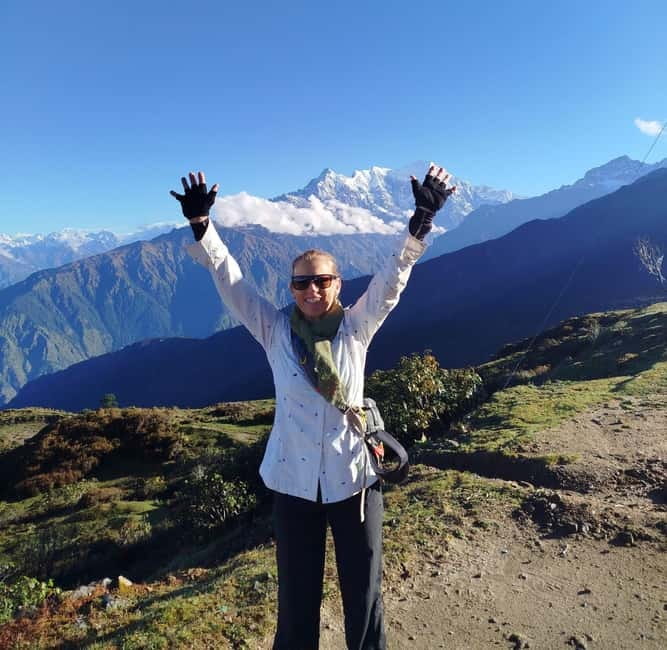
Many mountain routes near Kathmandu need a week or more before the scenery really opens up. This five-day plan moves quickly from the capital to Dhunche, then climbs into the high country toward Gosaikunda.
That compact schedule is its main selling point. You spend two nights high in the mountains, reach the lake on a dedicated day trip, and return to Kathmandu without needing internal flights or a long transfer to a remote trailhead.
The route also gives you more than a single viewpoint. You pass terraced hills, forest, small mountain settlements, guesthouses, and high-altitude lakes. The scenery changes as you climb, from green lower hills to thinner, colder terrain near Laurebina and Gosaikunda.
You should still treat the trip as an intense introduction to the Himalayas, not a gentle sampler. The altitude rises quickly, and the second day includes a steep ascent to Laurebina at 3,910 meters. Your guide’s pace and advice matter here.
More treks starting in Kathmandu:
- Everest Base Camp Trek – 14 Days
★ 5.0 · 1,499 reviews - Everest Base Camp Trekking
★ 5.0 · 485 reviews - Nagarkot Sunrise View and Day Hiking from Kathmandu
★ 5.0 · 471 reviews
Day 1: Kathmandu to Dhunche and Deurali
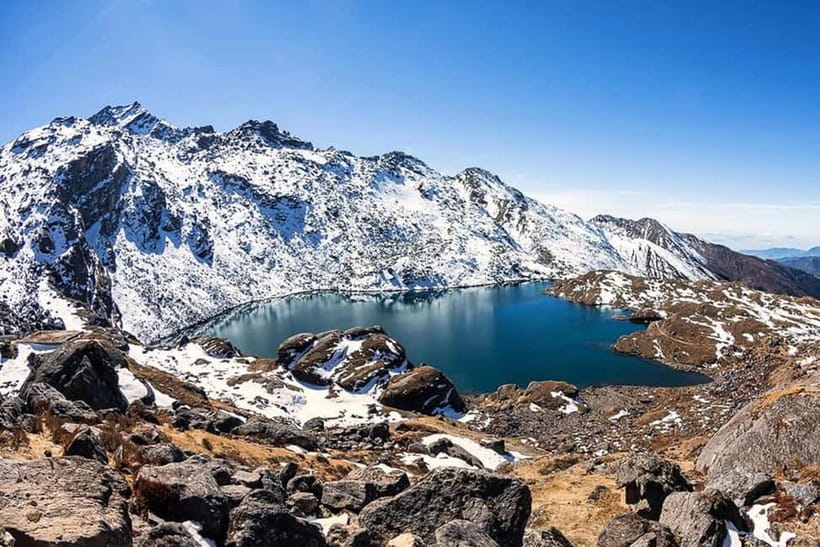
Your first morning begins with hotel pickup, followed by a transfer to the bus departure point. The drive to Dhunche usually takes about five to six hours, so think of this as a full travel day with a short trek added at the end.
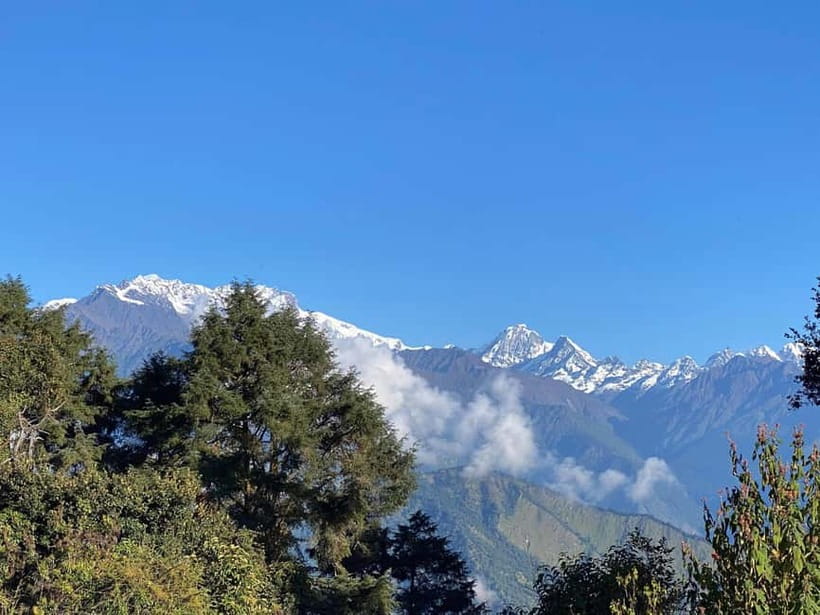
The road provides an early look at Nepal outside Kathmandu. You pass lush hills, terraced fields, and views toward Manaslu, Ganesh, and Langtang. Clear weather makes the mountain views much better, but even with clouds, the changing hills give the ride some character.
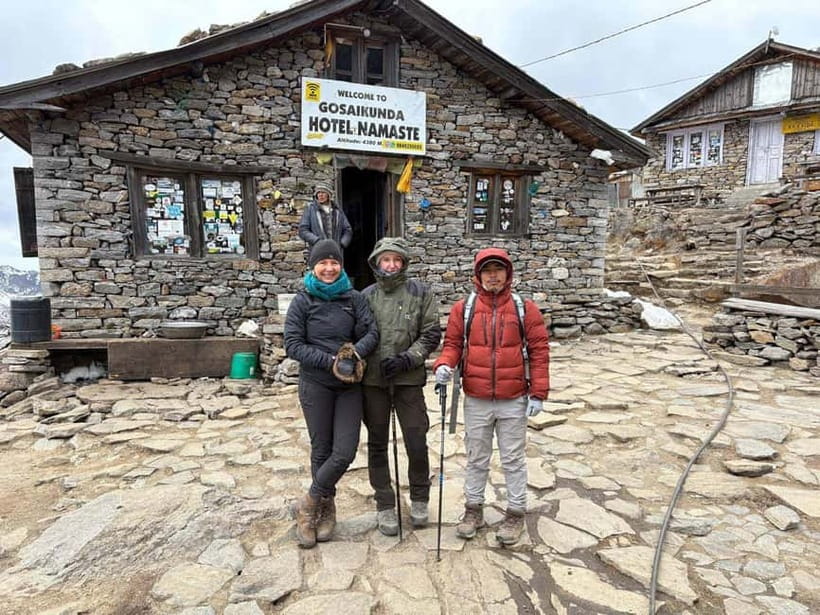
Dhunche is the practical gateway for the walk. After a break, you hike for about two hours toward Deurali at 2,790 meters. This first section lets you stretch your legs after the bus ride, but it is still wise to keep your pace measured.
You spend the night in a mountain guesthouse. The accommodation is basic rather than luxurious, but it puts you close to the trail and avoids another long transfer. Four nights of guesthouse accommodation are included in the package.
Day 2: The steep climb to Laurebina
Day two is where the trek begins to feel serious. After breakfast and a briefing, you climb toward Chandanbari and then continue to Laurebina at 3,910 meters.
The trail is described as steep, and that is the detail you should take seriously. You are gaining well over 1,000 meters in elevation, so this is not the day to race ahead or judge your progress by distance alone. A slow, even pace is more useful.
The forest remains a key part of the walk. Rhododendron, pine, and bamboo provide changing color and texture as you gain height. The trees also break up the route into manageable sections, though the open views become more important as you rise.
Laurebina is your overnight stop. A guesthouse at this altitude gives you a useful rest before the lake day. Conditions are simple, and you should expect mountain lodging rather than hotel comforts.
The strongest practical advantage here is the supplied equipment. A borrowed sleeping bag and down jacket can make a major difference at night, especially if you are not carrying your own cold-weather kit. Trekking poles are also useful on both the steep ascent and the descent that follows.
Day 3: Gosaikunda and the high lakes
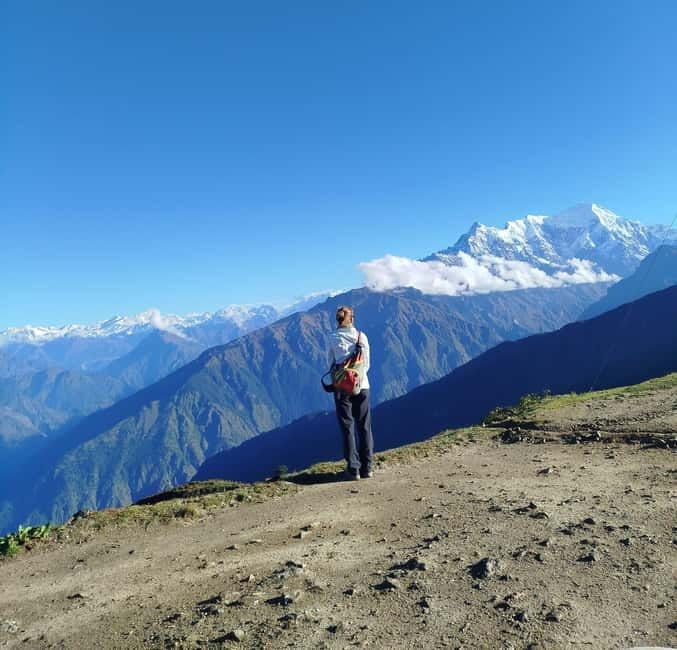
The third day is the heart of the trip. From Laurebina, you hike to Gosaikunda, an alpine freshwater lake at 4,380 meters, then return to Laurebina for the night.
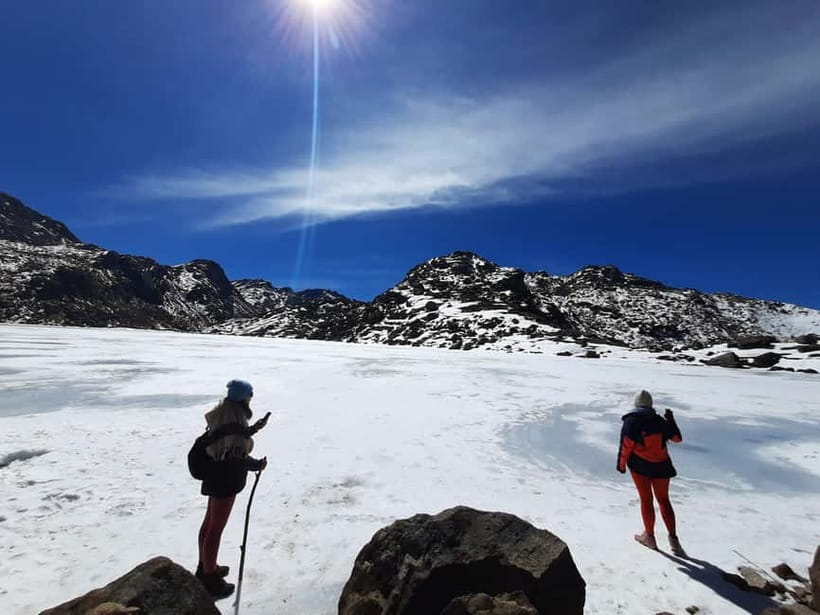
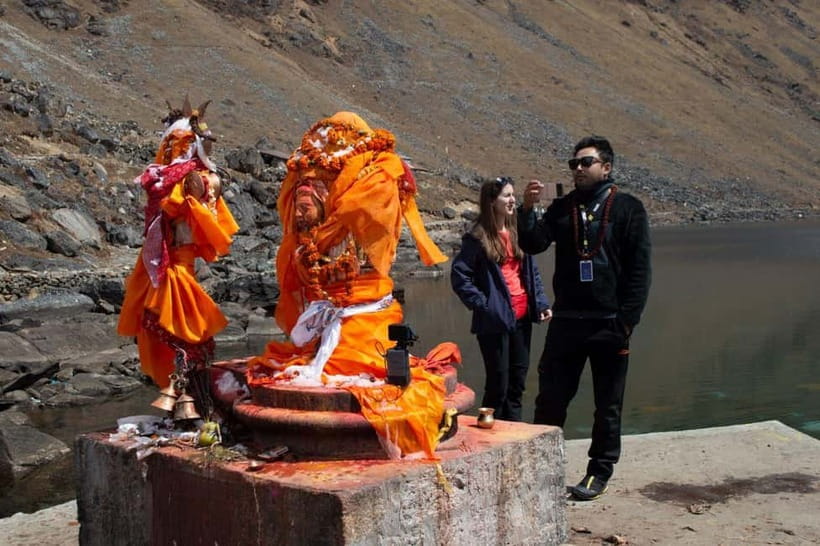
Gosaikunda has religious importance in Nepal, which gives the stop a meaning beyond its scenery. The lake remains frozen in winter, and its meltwater feeds the Trishuli River. At the shore, you can also see or visit nearby Bhairav Kunda, Chandra Kunda, and Saraswati Kunda, depending on the exact route and conditions.
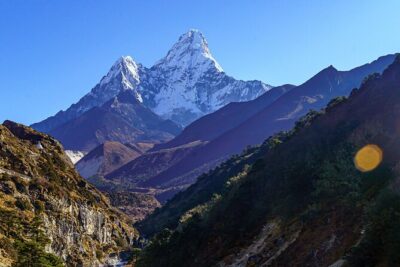
The Langtang range forms the mountain backdrop. Clear skies are especially valuable here because clouds can hide much of the high-country view. The best times for a clear outlook are generally the seasons when the skies are more settled, though the trek operates throughout the year.
This is also the day when altitude may affect you most. You are not simply walking to a lake at a comfortable valley height. At 4,380 meters, cold, thinner air, and exertion can make the route feel far harder than the map suggests.
Listen to your guide, take regular rests, drink water, and tell the guide promptly if you feel unwell. The guides are expected to brief you each morning, and safety is one of the most useful parts of having a licensed professional along.
The return to Laurebina is not an afterthought. Descending after reaching the lake still requires energy, especially on tired legs and uneven ground. Keep your poles ready, protect your knees, and save enough food and water for the trip back.
A few more Kathmandu tours worth comparing
- Annapurna base camp trek 5 Days
★ 5.0 · 252 reviews - Kathmandu to Annapurna Base Camp (ABC) 5-Day Trek
★ 5.0 · 102 reviews - 5 Day Private Guided Trekking in Annapurna Base Camp
★ 5.0 · 25 reviews - 5-Day Sunrise Tour in Kathmandu Near Everest
★ 5.0 · 12 reviews
Day 4: Forest trails back to Dhunche
The fourth day reverses the route. You descend through rhododendron, pine, and bamboo forest toward Deurali, then continue through another wooded section before crossing a river and reaching Dhunche.
Downhill walking sounds easy, but it can be hard on your knees and ankles. The trail may feel more comfortable after the high point, yet loose or uneven ground can demand close attention. Trekking poles are particularly useful here.
The forest gives this day a different mood from the high lake excursion. You trade open mountain views for shade, greenery, and a closer look at Langtang National Park’s plant life. The route is a reminder that the park is not only about snow peaks.
Dhunche provides a useful reset before the final bus ride. After several nights in guesthouses and a high-altitude outing, returning to the trailhead gives you a clear sense that the main physical challenge is behind you.
Day 5: The long ride back to Kathmandu
After breakfast, you board the bus for Kathmandu. The return drive takes several hours, so your five-day schedule includes two substantial road journeys.
That transport arrangement keeps the price low and avoids the cost of private vehicles. It also means you should not expect a quick or polished transfer. A scenic public-style bus ride is part of the experience, and road conditions can affect how tiring the day feels.
Once you reach the bus station in Kathmandu, the company transfers you back to your hotel. That final hotel drop-off is a small but useful convenience after a long ride.
What the $179 price really covers
At $179 per person, this trek is priced as a practical, budget-conscious way to reach a high mountain lake. The value improves if you need equipment and transport, since the package includes the Kathmandu to Dhunche bus, return transport, permits, TIMS card, guide, four nights of guesthouse accommodation, and hotel pickup and drop-off.
You can borrow a down jacket, sleeping bag, and trekking poles. Water purification tablets are also available as needed. These inclusions may save you from buying or renting cold-weather equipment separately.
The meal arrangement needs careful attention. The full-board option includes four breakfasts, five lunches, and four dinners. The budget option excludes meals, so you should confirm which version you are booking and allow extra money for food if necessary.
A porter is available as an add-on, and the duffel bag is included with the porter option. If you carry your own pack, remember that the route includes steep climbing at altitude. A lighter load can make the Laurebina ascent much more manageable.
Personal costs, travel insurance, and meals under the budget option are not included. Travel insurance is especially important for a high-altitude trek, even though the listed package includes first aid if needed.
The guide service can shape the whole trek
A mountain guide is not just someone who points at the trail. On this route, your guide sets the pace, explains the day ahead, helps with practical decisions, and watches for problems linked to altitude.
Ohm is noted for keeping the mood light while adding local facts and fun video work. Terence is described as flexible with plans and strongly focused on safety. Raj is praised for clear communication and information about the region.
Those qualities matter more here than polished speeches. You want a guide who tells you what the day involves, notices when the pace is too fast, and gives you a clear idea of what comes next.
The guide languages listed are English, Hindi, and Icelandic. The group is limited to 14 people, which is small enough for a more personal experience but large enough that you will not necessarily have a private trek.
The company also handles the trekking permits and TIMS card. You must send a passport copy and a recent passport-sized photo at least one day before departure so those permits can be prepared.
Guesthouses, meals, and what to pack
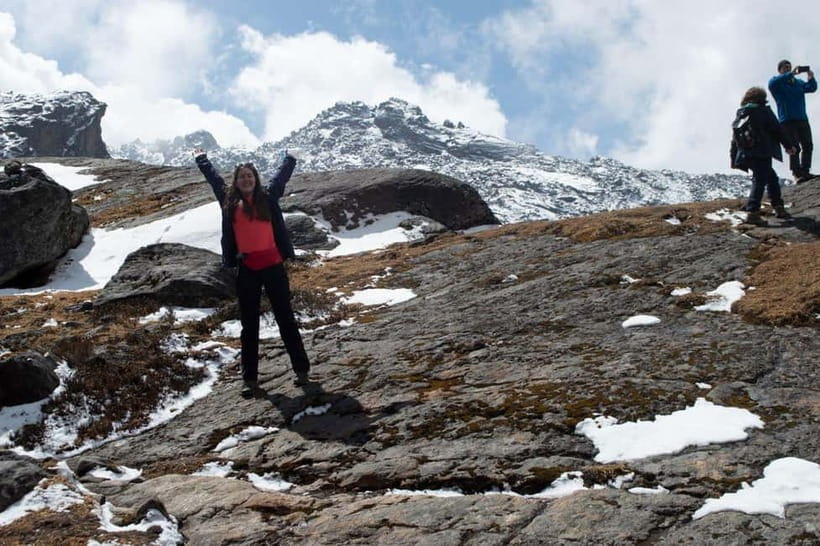
Mountain guesthouses are part of the route’s simple charm, but you should set your expectations correctly. The included accommodation is functional and close to the trail. One couple had private rooms throughout, but room arrangements can vary, so do not treat a private room as guaranteed unless the operator confirms it.
Bring your passport, camera, and cash. Cash is useful for personal expenses and any costs not covered by your selected package.
The borrowed gear is helpful, but you still need suitable walking clothes, sturdy footwear, warm layers, rain protection, and personal items. Water purification tablets are provided as required, but you should still carry a refillable bottle or bottles.
You should also carry only what you need for the walking days. If you choose the porter option, a duffel bag is supplied. Without a porter, you will be responsible for your own pack during the climbs and descents.
Alcohol and drugs are not allowed. Baby carriages are not suitable for this route, and walking barefoot is not permitted. The trek is not designed for children under 10, people with mobility impairments, or people over 140 kilograms.
The best time to see clear Himalayan views
The trek runs throughout the year, but clear skies make a major difference. The Langtang range and high lakes are the main visual rewards, so cloud, rain, or winter conditions can change what you see.
The supplied information points to periods with mostly clear skies as the best choice. You should still expect mountain weather to be changeable, especially near 4,380 meters.
Winter brings the possibility of a frozen Gosaikunda, which is a striking sight, but cold conditions can make the walk harder. Spring brings rhododendron forest color, while other clear periods may provide strong mountain views. The exact experience depends on the date and weather.
If scenery is your main reason for booking, check the forecast before you go and pack for cold, wet, and changing conditions. A good guide can help manage the day, but no operator can guarantee clear peaks.
Who should book this trek
I would recommend this trip to you if you want a short, organized Himalayan trek from Kathmandu and are comfortable with steep paths, basic guesthouses, and a high point above 4,000 meters.
It suits people who want mountain scenery and local culture without arranging permits, buses, lodging, and equipment on their own. It also works well for anyone with only five days available.
I would not choose it for a relaxed walking holiday. The Laurebina climb is steep, and the Gosaikunda day reaches serious altitude. You need reasonable fitness and a willingness to move slowly when the air gets thin.
It may also disappoint you if you expect private transport, upscale rooms, or a fully private guide. The small group helps, but the trip remains a shared, budget-style trek.
Should you book the Gosaikunda trek?
Book it if you want a real mountain challenge in a compact package. The combination of Langtang National Park, Gosaikunda’s sacred setting, nearby alpine lakes, and views toward the Langtang range gives you plenty of substance for five days.
The price is fair when you use the included bus transport, permits, guide, lodging, and loaned equipment. Just confirm the meal option, consider adding a porter, and buy suitable travel insurance.
The best reason to choose this trek is the balance between convenience and effort. The operator handles much of the planning, while you still walk through forests, climb to high country, and reach a memorable Himalayan lake under your own power.
FAQ
How long does the Gosaikunda trek take?
The trek lasts five days, including the bus journey from Kathmandu to Dhunche on the first day and the return journey to Kathmandu on the fifth day.
What is the highest point of the trek?
The highest point is Gosaikunda Lake at 4,380 meters. The overnight stop at Laurebina is at 3,910 meters.
Is transportation from Kathmandu included?
Yes. Bus transportation between Kathmandu and Dhunche is included, along with hotel pickup and the transfer back to your hotel after you return to Kathmandu.
Are meals included?
Meals are included with the full-board option: four breakfasts, five lunches, and four dinners. Meals are not included with the budget option.
Is trekking equipment provided?
You can borrow a down jacket, sleeping bag, and trekking poles. Water purification tablets are available as needed. A duffel bag is included if you choose the porter option.
Do I need to provide documents before the trek?
Yes. You must provide a copy of your passport and a recent passport-sized photograph at least one day before departure so the trekking permits can be processed.
Is this trek suitable for children or people with mobility impairments?
The trek is not suitable for children under 10 or people with mobility impairments. It is also not suitable for people over 140 kilograms.
Recently added around Kathmandu
- Kathmandu : Swambhunath & Durbar Square Guided Half Day Tour★ 3.3 · 3 reviews
- Private Day Tour in Kathmandu Valley Rim with Bhaktapur Sightseeing★ 5.0 · 3 reviews
- From Kathmandu / Pokhara / Chitwan: River Rafting – 1 Day★ 4.6 · 3 reviews
- Nepali Cooking training & Cultural Homestay Experience★ 5.0 · 3 reviews
- Private 3-Hour Nagarkot Sunset Tour from Kathmandu★ 3.5 · 3 reviews
- From Kathmandu: Everest Base Camp Landing Helicopter Tour★ 5.0 · 3 reviews
- 4 UNESSCO World heritage sites of Kathmandu-private tour★ 5.0 · 3 reviews
- From Kathmandu Budget: 15 Day Everest Base Camp Trek★ 5.0 · 3 reviews
Hiking & Trekking, compared.
Nagarkot Sunrise View and Day Hiking from Kathmandu
Read our review →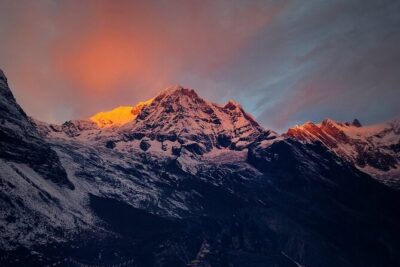
Browse the lists this tour appears in