
Reviewed · KATHMANDU FOOD TOURS
Momo, Dhalbhat & Thukpa Cooking Class, Nepal
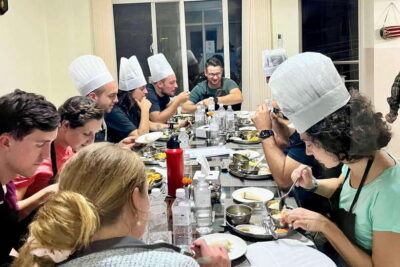
Kathmandu’s best food lessons often begin before the stove is lit. Here, Esther Rai takes you through a local vegetable market near Patan, where you can meet sellers, choose ingredients, and see the everyday side of Nepali cooking. You then prepare momo, dal bhat, and thukpa before sitting down to eat.
I especially like the small group size, capped at 10 people, and the setting only a five-minute walk from Patan Durbar Square. Esther and her cooking partner Amos also bring family stories, customs, and practical kitchen tips into the lesson. The one thing to keep in mind is that some preparation may already be done, so this is a friendly cultural cooking session rather than a fully hands-on chef course.
In This Review
- Key points to know before booking
- Why this Kathmandu cooking class feels different
- Starting at the market near Nagabahal
- Patan Durbar Square and the Golden Temple
- Making momo, dal bhat, and thukpa
- Esther Rai’s teaching style and the family setting
- Eating the meal you helped prepare
- Is $25 a fair price?
- Timing, location, and practical planning
- Who will enjoy this experience most?
- Should you book the Patan cooking class?
- FAQ
- Where does the cooking class begin?
- Where does the activity end?
- How long does the class last?
- How much does the experience cost?
- What foods will I learn to make?
- Can I request a different menu?
- Does the class include a market visit?
- Is Patan Durbar Square close to the class?
- How many people can join?
- What is the cancellation policy?
Key points to know before booking
- Market visit first: Shop for vegetables and other ingredients while meeting local sellers.
- Three Nepali staples: Practice momo, dal bhat, and thukpa, with menu changes possible by request.
- Patan location: The class begins at Nagabahal, about five minutes on foot from Patan Durbar Square.
- Family-style welcome: Esther Rai teaches with help from Amos and shares food, customs, and family life.
- Three-hour format: The class includes shopping, cooking, and eating the finished meal.
- Good value at $25: You get an activity, a meal, and a useful introduction to Nepali food culture.
Why this Kathmandu cooking class feels different
Many cooking classes begin with bowls of chopped ingredients lined up on a counter. This one starts in the neighborhood market. That small choice changes the feel of the morning, since you see the raw materials before they become lunch and get a glimpse of ordinary shopping in Lalitpur.
Esther Rai created the class as a way to support her family during the Covid-19 period, building it around a lifelong love of cooking. She learned by spending time in the kitchen with her mother and sister, and that family connection still shapes the experience.
You are not simply shown a recipe. You are invited into Esther’s approach to food, where cooking is tied to family, hospitality, and daily life. She can also adjust the menu to a request, although the regular focus is on momo, dal bhat, and thukpa.
The class has earned a 4.8 rating from 12 published ratings, with 100 percent recommending it. That is a small sample, so I would not treat the numbers as proof of perfection. Still, the praise is consistent on the points that matter most: Esther’s warmth, the quality of the food, the market visit, and the welcome from her family.
More Kathmandu food walks:
- Kathmandu: Local Women-Led Nepali Cooking & Momo Class
★ 4.9 · 360 reviews - Kathmandu: Local Lead Nepali Cooking & Momo-Making Class
★ 5.0 · 212 reviews - Walking Street Food Tour in Kathmandu
★ 5.0 · 111 reviews
Starting at the market near Nagabahal
The meeting point is at Nagabahal, Nyadha Galli, in Lalitpur. This puts you in the Patan area rather than central Thamel, which is useful if you want to see a less tourist-focused part of Kathmandu. The class is close to Patan Durbar Square, so you can pair it with a visit to the square and the nearby old streets.
Before cooking, you go to a local vegetable market. Esther helps select the ingredients, and you can interact with the vegetable sellers. This is not a separate sightseeing tour with a long list of market stops. It is a practical shopping trip linked directly to the meal you are about to prepare.
That connection is valuable. You see the vegetables in their everyday setting, ask about ingredients as they are bought, and then recognize them again on the cooking table. You may also shop for meat, depending on the menu. One class included fresh vegetables and meat for momo, chicken curry, and dal bhat.
The market portion also gives Esther a natural place to explain spices and food habits. If you are new to Nepali cooking, this is a better introduction than simply receiving a printed recipe. You get context before the work begins.
Patan Durbar Square and the Golden Temple
The itinerary identifies two nearby cultural stops: the Golden Temple, also called Hiranya Varna Mahavihar, and Patan, or Lalitpur. The class location is about five minutes from Patan Durbar Square, making these landmarks easy to connect with the food experience.
The Golden Temple is a Buddhist monastery in Patan’s old quarter. Its inclusion helps place the cooking class in a historic neighborhood rather than an anonymous teaching kitchen. You should allow extra time before or after the class if you want to explore Patan Durbar Square properly, since the cooking session itself lasts about three hours.
The exact amount of guided sightseeing is not spelled out, so do not book this expecting a full Patan walking tour. The main activity is food preparation. The cultural value comes from the location, the market, and Esther’s explanations of Nepali customs and family life.
I like this arrangement because it gives you a reason to visit Lalitpur beyond the main square. You can see a local market, walk through the old neighborhood, and eat a meal tied to the place. It is a good fit for anyone who wants a break from the usual Thamel circuit.
Making momo, dal bhat, and thukpa
The core of the class is learning to prepare three familiar Nepali foods. Each offers a different lesson.
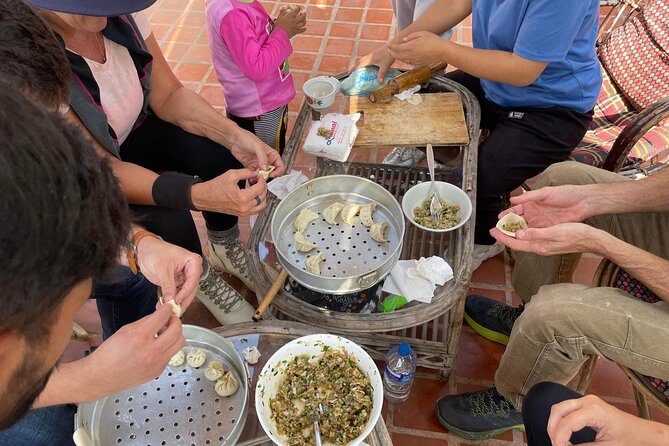
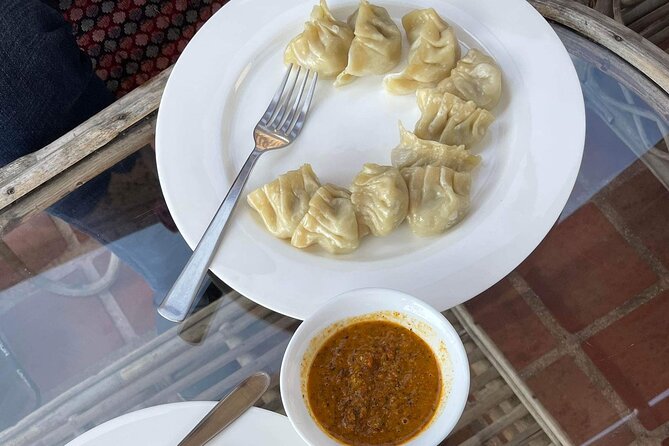
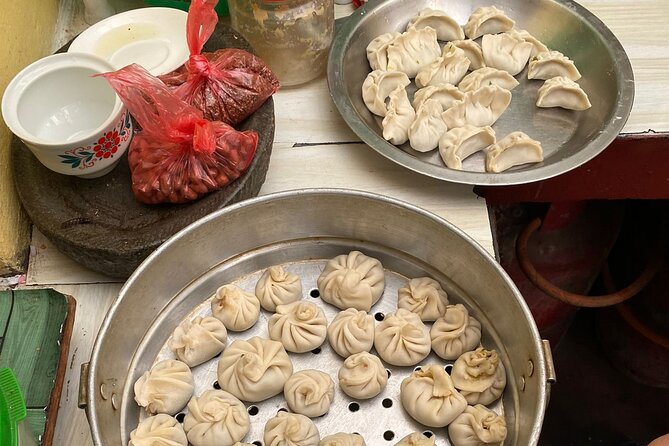
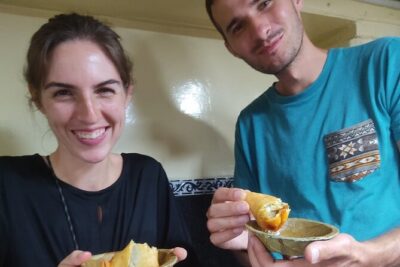
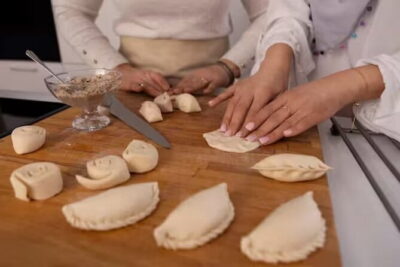
Momo are Nepali dumplings, usually filled with meat or vegetables. The enjoyable part is the assembly, since shaping the dumplings takes a little practice and gives the class a social, hands-on rhythm. You learn how the filling comes together and how the dumplings are prepared for cooking.
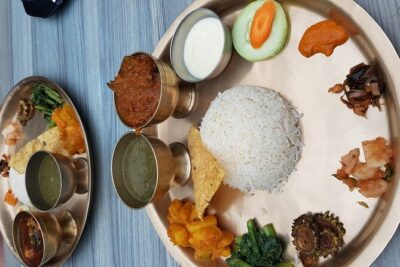
Dal bhat is the everyday combination of lentils and rice, often served with curry and accompaniments. It may sound simple, but it is central to Nepali home cooking. Learning it here helps you understand how a basic meal can include several flavors and textures rather than being just rice with a side dish.
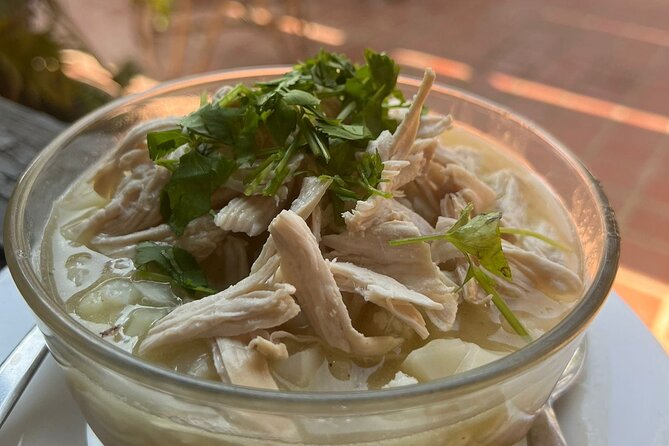
Thukpa is a noodle soup associated with Himalayan cooking. It gives you a different style of dish from dal bhat and momo, with broth, noodles, vegetables, and possible meat depending on the chosen menu.
The menu can change at your request. Past classes have included chicken curry along with dal bhat, and the instructor can work with guest preferences. Ask about your preferred dishes when booking or before the class begins, since the available ingredients and preparation plan may affect what is taught.
One point deserves a clear warning. At least one participant found that many steps had already been completed, which reduced the amount of direct cooking. That can happen in a home kitchen where timing and food safety matter. If you want to do every chop, grind, fold, and stir yourself, tell Esther at the start and ask which tasks you can handle.
More Nepali cooking classes:
- Half day cooking class in Thamel kathmandu
★ 5.0 · 607 reviews - Local Women Lead Nepali Cooking Class
★ 5.0 · 125 reviews - The best Private Nepali Cooking Class in Kathmandu
★ 5.0 · 83 reviews - Kathmandu: Local Women-Lead Nepali Cooking & Momo Class
★ 4.9 · 45 reviews
Esther Rai’s teaching style and the family setting
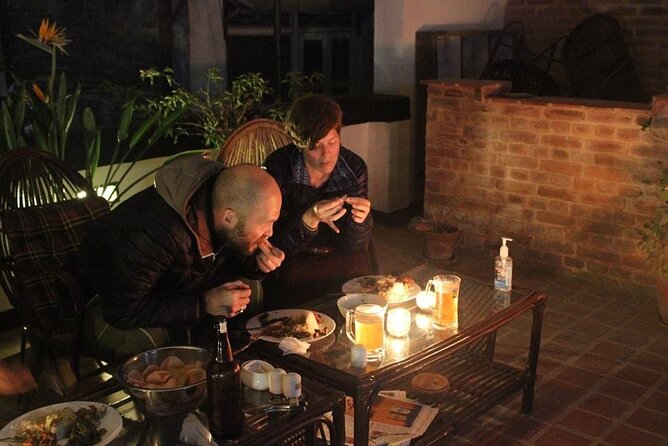
Esther is the heart of the class. Her story explains why the experience feels personal. She grew up watching and helping her mother and sister cook, and she takes pleasure in seeing people enjoy the food she prepares. That background comes through in a lesson built around sharing, not showing off.
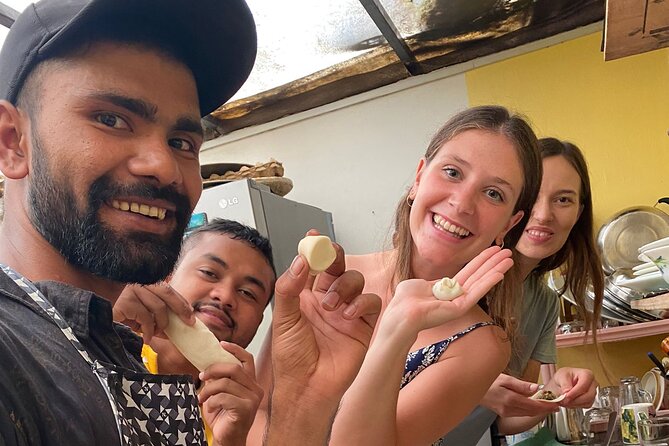
Amos helps with the class, and the two are described as kind, funny, and clear in their explanations. You can expect conversation alongside the recipes. Topics may include customs, the education system, and the role of family in Nepal.
That wider discussion is one of the strongest reasons to choose this class. Food gives you a comfortable way to ask questions about everyday life. You are not sitting through a formal lecture, but you can learn how cooking fits into the household and the culture.
The cooking space has also been described as a pleasant rooftop setting. Exact seating and weather arrangements are not provided, so keep in mind that the experience requires good weather. If poor conditions cause a cancellation, you can choose another date or receive a full refund.
The group limit is 10 people. That is small enough for a personal feel, though the amount of individual instruction will depend on the final group size. A solo visitor may get more direct attention than a full group of 10.
Eating the meal you helped prepare
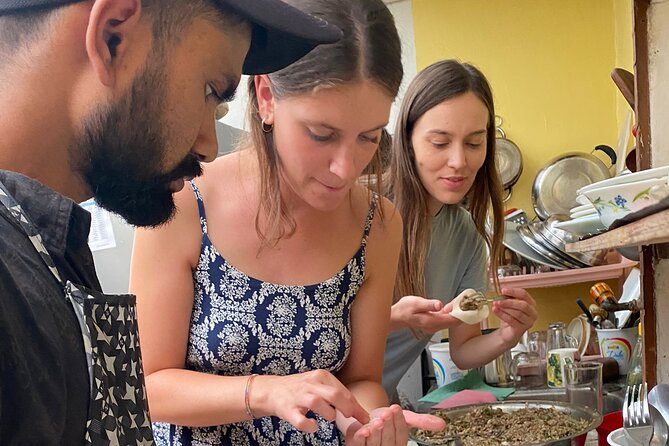
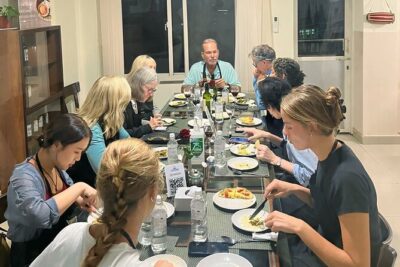
Once the food is ready, you eat it at the class location. This sounds obvious, but it is an important part of the value. You are not rushing away after a demonstration. The class ends with a complete Nepali meal and time to enjoy the results.
The strongest food praise focuses on dal bhat, momo, and the overall freshness of the meal. One participant called the dal bhat the best they had tasted in Nepal, while another described the food as the highlight of the trip. Personal taste varies, of course, but the menu gives you a useful sample of several well-known dishes in one sitting.
You also get to try spices that may be unfamiliar. One class included discovering new spices, which is useful if you want to recreate Nepali flavors at home. Esther’s explanations can help you understand how those seasonings work rather than treating them as mysterious ingredients.
If you have dietary restrictions, the supplied information does not state how they are handled. Contact the provider before booking and explain what you need. The menu is flexible by request, but that does not guarantee that every dietary requirement can be met.
Is $25 a fair price?
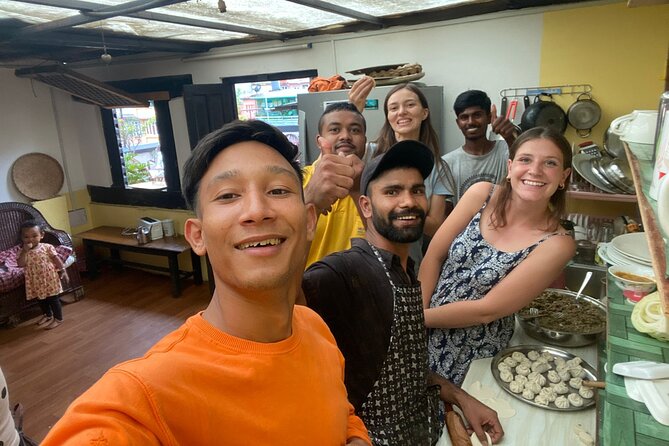
At $25 per person, this is a strong value if you want more than a restaurant meal. The price covers roughly three hours, a market visit, cooking instruction, and the meal you prepare. You also receive local contact and a look at daily food shopping in Patan.
The value is best for someone who sees cooking as a way to understand place. If you only want to eat Nepali food, a restaurant will be simpler. If you want a polished culinary school with precise individual instruction, this may feel informal.
I think the cost works especially well for solo visitors and couples looking for a personal morning activity. The group maximum of 10 keeps it from becoming a large demonstration, and the location saves you from spending the whole morning in transit.
The experience is booked an average of six days ahead, so you do not need to arrange it months in advance. Still, I would book a few days ahead if your Kathmandu schedule is tight, especially because the class depends on good weather and has a small capacity.
Timing, location, and practical planning
The activity lasts about three hours and ends back at the meeting point. Public transportation is nearby, and the class begins at Nagabahal, Nyadha Galli, Lalitpur 44600.
Plan your day around Patan rather than treating this as a quick stop from Thamel. You can explore Patan Durbar Square and the Golden Temple before or after cooking, but leave enough time to reach Nagabahal without stress.
A mobile ticket is provided, and confirmation arrives at booking. The most useful practical step is to confirm the meeting point clearly, since old Patan has narrow streets and several closely packed lanes.
The class has free cancellation up to 24 hours before the start time for a full refund. Within 24 hours, the payment is not refunded, and changes are not accepted. Since poor weather can affect the activity, check the forecast and keep a little flexibility in your schedule.
Who will enjoy this experience most?
I would choose this class if you want a warm, home-based food experience tied to a real neighborhood. It suits curious eaters, couples, solo visitors, and anyone who wants to learn a few dishes while talking about Nepal beyond the major sights.
It is also a good option for people staying in Kathmandu who have already seen the main temples and want a slower morning. The market visit adds movement, while the cooking and meal provide a relaxed close.
Families may enjoy the dumpling-making, but the provided details do not give a minimum age or child policy. Ask before booking if you are traveling with children.
You may want another type of class if you need strict culinary training, exact measurements, or guaranteed full participation in every step. The pre-prepared ingredients are the main limitation. This is about sharing a Nepali kitchen and meal, not passing a professional cooking exam.
Should you book the Patan cooking class?
Book it if you value local contact, flexible menus, and a meal that connects naturally to the neighborhood around Patan. Esther Rai and Amos offer more than recipes, with conversation about family, customs, and daily life built into the morning.
The market visit and rooftop setting give the class character, while the $25 price keeps it accessible. Just set the right expectation: some work may already be prepared, and the experience is informal rather than highly technical.
For a first taste of Nepali cooking, I would recommend it. Choose a clear menu request, arrive ready to take part, and leave time to explore Patan’s temples and old streets afterward.
FAQ
Where does the cooking class begin?
It begins at Nagabahal, Nyadha Galli, Lalitpur 44600, Nepal.
Where does the activity end?
The activity ends back at the meeting point.
How long does the class last?
The class lasts about three hours.
How much does the experience cost?
The listed price is $25 per person.
What foods will I learn to make?
The regular menu includes momo, dal bhat, and thukpa.
Can I request a different menu?
Yes. The menu can be arranged according to your request.
Does the class include a market visit?
Yes. You visit a local vegetable market before cooking and can interact with the sellers.
Is Patan Durbar Square close to the class?
Yes. The location is about a five-minute walk from Patan Durbar Square.
How many people can join?
The activity allows a maximum of 10 participants.
What is the cancellation policy?
You can cancel at least 24 hours before the start time for a full refund. Cancellations or changes made within 24 hours are not refunded or accepted. If poor weather causes the activity to be canceled, you can receive a full refund or choose another date.
More Workshops in Kathmandu
- Knife (Khukuri) Making Workshop- Forge of the Gurkhas
★ 5.0 · 143 reviews - Kathmandu: Traditional Momo Making Class & Pickup
★ 4.8 · 60 reviews - Traditional Nepali Momo Making Classes
★ 5.0 · 53 reviews - Knife Khukuri Making Workshop
★ 4.9 · 38 reviews
More Cooking Classes in Kathmandu
- Kathmandu: Local Lead Nepali Cooking & Momo Making Class
★ 4.9 · 40 reviews - Best Nepali Cooking Class in Thamel with Local Market Trip
★ 5.0 · 26 reviews - Kathmandu: Local Women Lead Nepali Cooking & Momo-Making Class
★ 5.0 · 17 reviews - Kathmandu: Women-Led Cooking Class & Momo Making-Local Taste
★ 4.8 · 15 reviews
Recently added around Kathmandu
- Kathmandu : Swambhunath & Durbar Square Guided Half Day Tour★ 3.3 · 3 reviews
- Private Day Tour in Kathmandu Valley Rim with Bhaktapur Sightseeing★ 5.0 · 3 reviews
- From Kathmandu / Pokhara / Chitwan: River Rafting – 1 Day★ 4.6 · 3 reviews
- Nepali Cooking training & Cultural Homestay Experience★ 5.0 · 3 reviews
- Private 3-Hour Nagarkot Sunset Tour from Kathmandu★ 3.5 · 3 reviews
- From Kathmandu: Everest Base Camp Landing Helicopter Tour★ 5.0 · 3 reviews
- 4 UNESSCO World heritage sites of Kathmandu-private tour★ 5.0 · 3 reviews
- From Kathmandu Budget: 15 Day Everest Base Camp Trek★ 5.0 · 3 reviews
Kathmandu Food Tours, compared.
Secret Food Tour – Food Bites and Sights Kathmandu 14+ Testings
Read our review →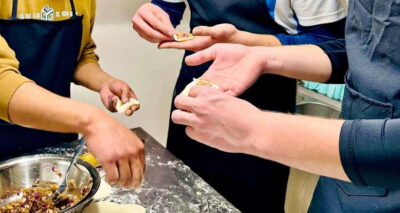
Browse the lists this tour appears in